Iran Moves to Impose New Transit Fees in the Strait of Hormuz
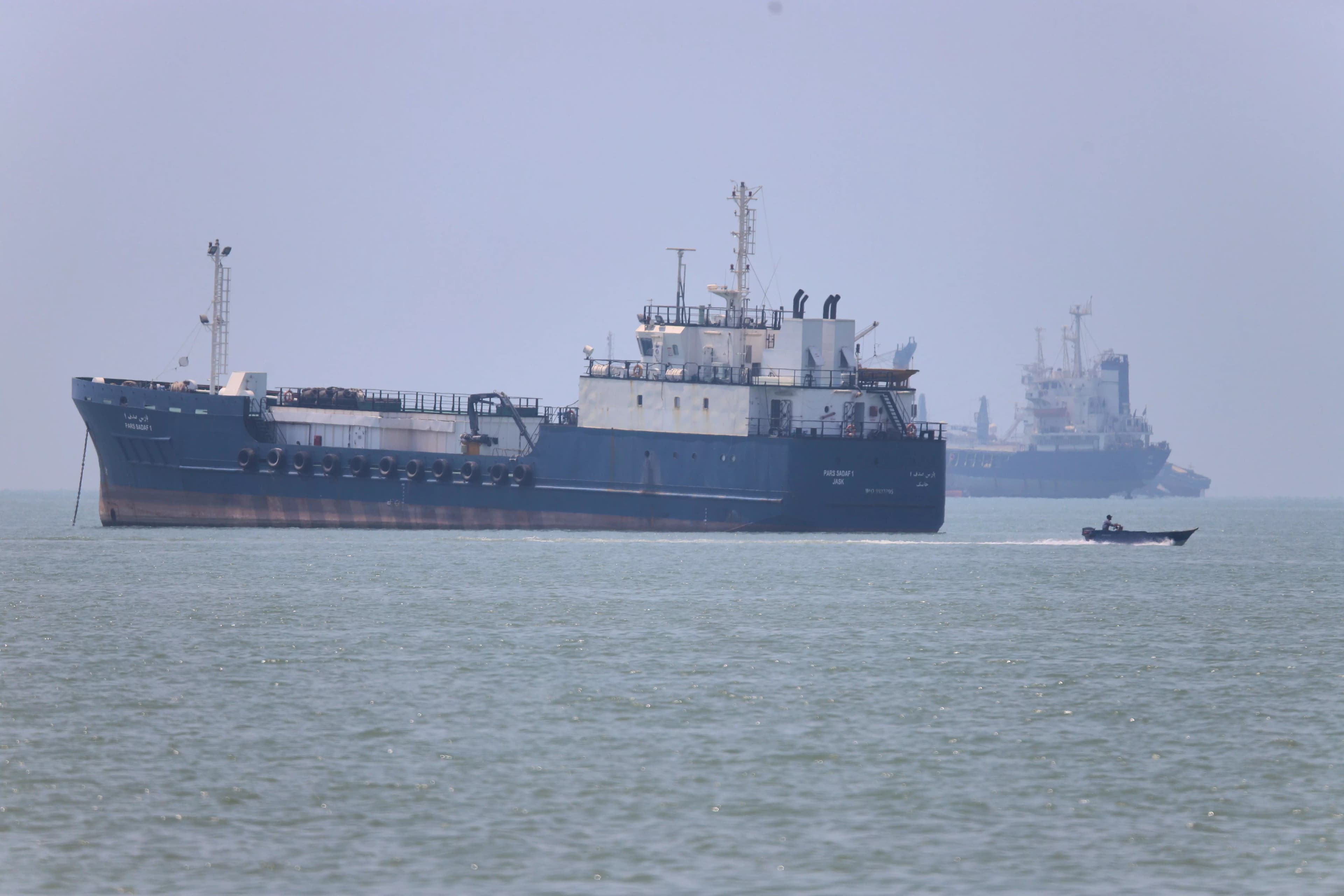
Iran has announced plans to introduce transit fees for the Strait of Hormuz following an agreement with the United States. While Tehran views the deal as a strategic victory, regional neighbors have opposed the proposed fees, adding to existing geopolitical tensions in the Middle East.
Highlights
- •Iran plans to introduce new transit fees for vessels navigating the Strait of Hormuz within two months.
- •The move follows a US-Iran memorandum of understanding that also includes provisions for sanctions relief.
- •Regional powers, including Saudi Arabia, have rejected Iran's proposal to impose these new shipping charges.
- •Technical discussions are underway in Switzerland to finalize the details of the 14-clause diplomatic agreement.
Iran has officially declared its intention to implement a new system for maritime transit fees within the Strait of Hormuz. This development follows a 60-day negotiation period initiated by the formal signing of a memorandum of understanding with the United States. Officials in Tehran are framing this agreement as a significant strategic achievement, emphasizing that the vital shipping channel remains under their sovereign control. Furthermore, authorities have cautioned that any naval escort missions led by European nations in the area will not be permitted.
The announcement of Strait of Hormuz transit fees comes shortly after the United States lifted its blockade on the country, allowing oil tankers to resume unhindered transit through one of the world's most critical maritime corridors. Despite this breakthrough, the regional landscape remains complex. Tensions persist regarding the military presence of Israel in southern Lebanon. Reports indicate that Israeli forces are currently maintaining control over more than 600 square kilometers of territory along the border, with Prime Minister Benjamin Netanyahu stating that this security zone will persist to address national security requirements.
Geopolitical Implications and Regional Reactions
The path forward involves technical discussions between US and Iranian officials at the Bürgenstock resort in Switzerland. These talks aim to finalize the 14 clauses of the agreement, which include provisions for sanctions relief related to Iran's oil exports and assurances regarding commercial shipping. While Iran's chief negotiator, Mohammad Bagher Ghalibaf, insists that the waterway requires active management, regional neighbors have expressed strong opposition. Saudi Foreign Minister Prince Faisal bin Farhan Al Saud argued against the implementation of new fees, noting that the strait functioned effectively and safely prior to the recent conflict.
Similarly, the United Arab Emirates has raised concerns regarding the proposed governance changes. However, Muath Alwari, the UAE's director of policy planning, noted that the recent conflict has bolstered the defense relationship between his country and Israel. Meanwhile, Iran is focused on economic recovery, with the government planning a $350 billion reconstruction fund. Economic Minister Seyed Ali Madanizadeh cautioned, however, that the nation faces significant fiscal challenges, and the path to economic normalcy will likely be gradual despite the recent diplomatic progress.
As the international community watches these developments, the future management of the Strait of Hormuz transit fees remains a point of contention that could impact global energy markets and maritime security in the long term.