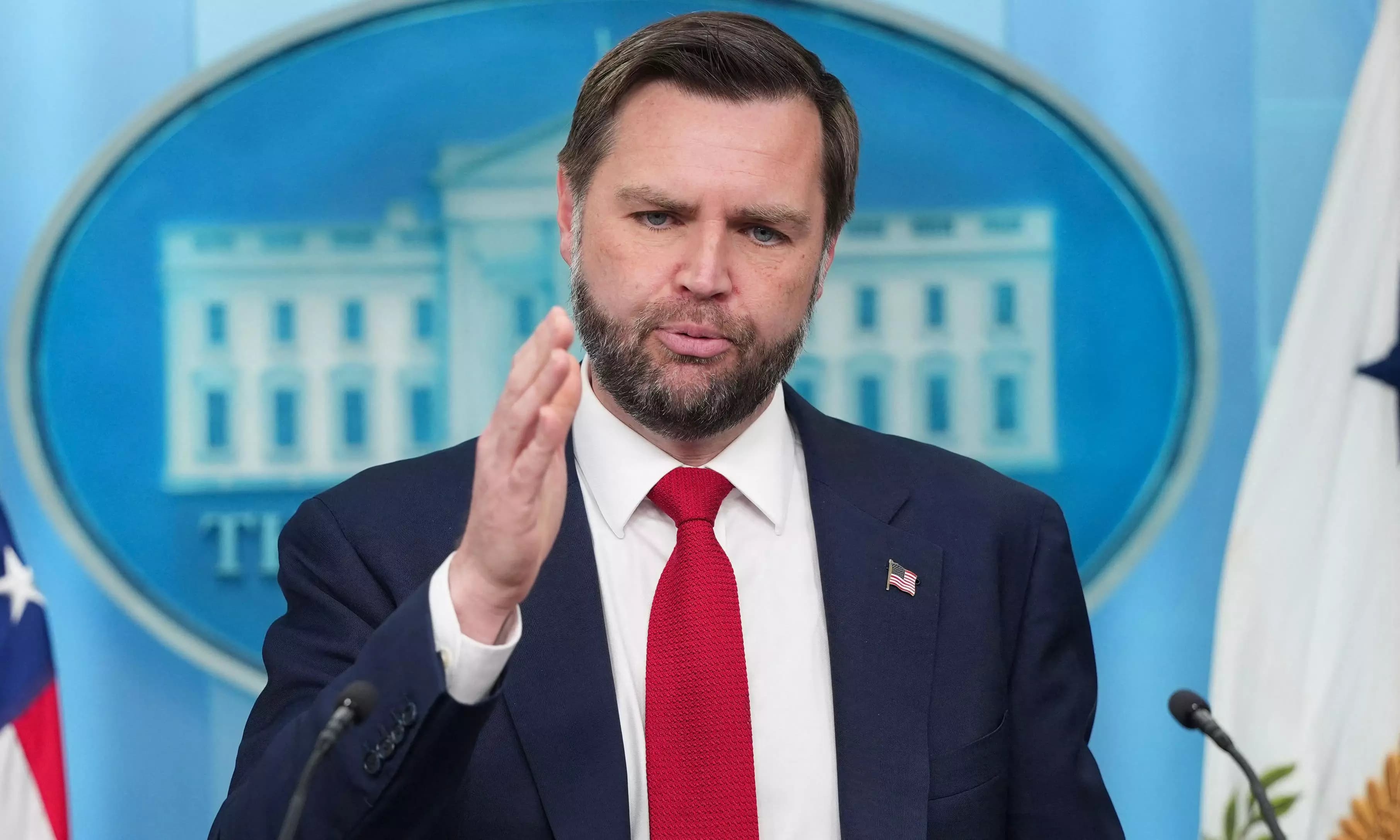
JD Vance Postpones Trip to Switzerland for Critical US-Iran Peace Talks
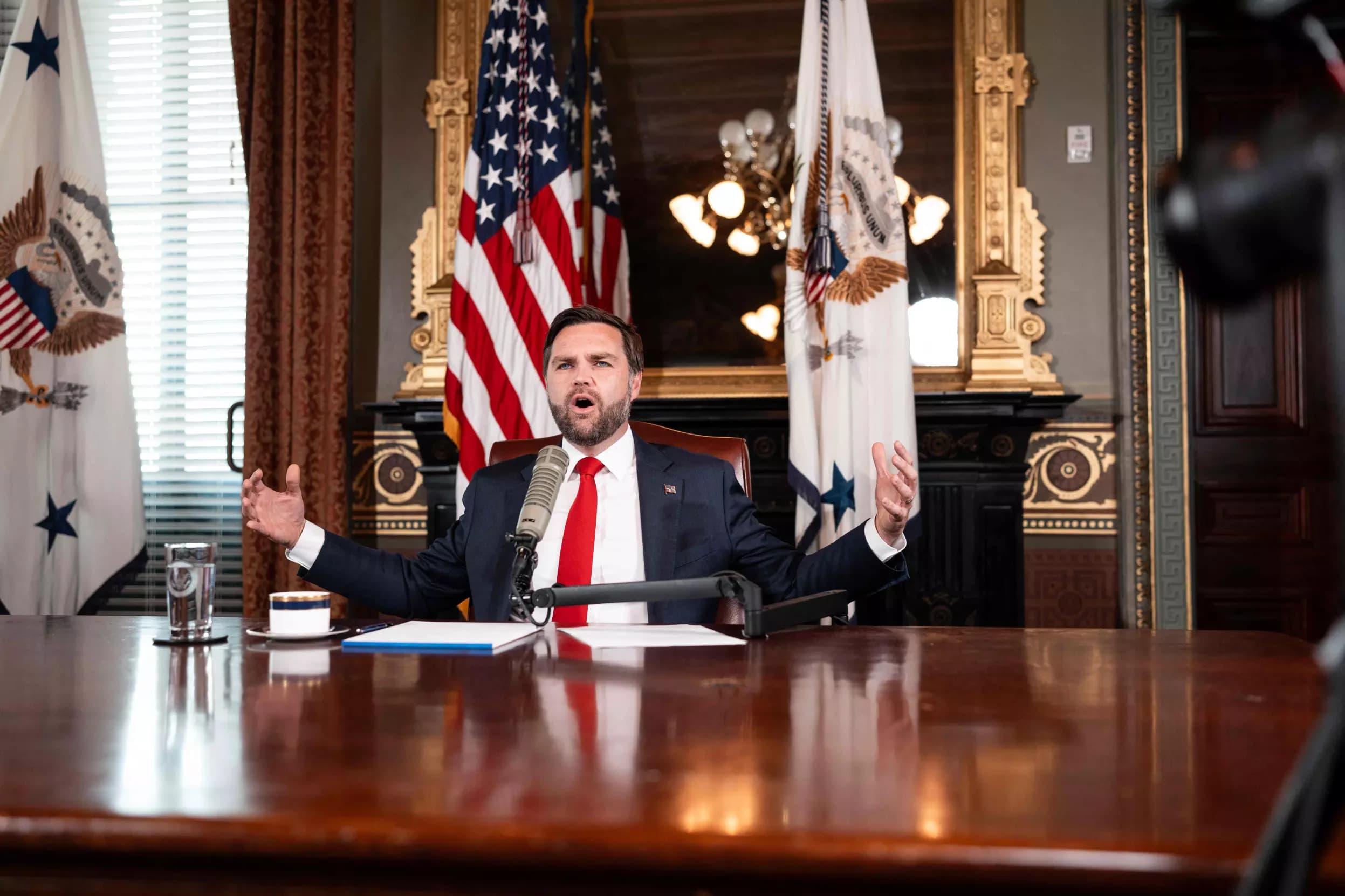
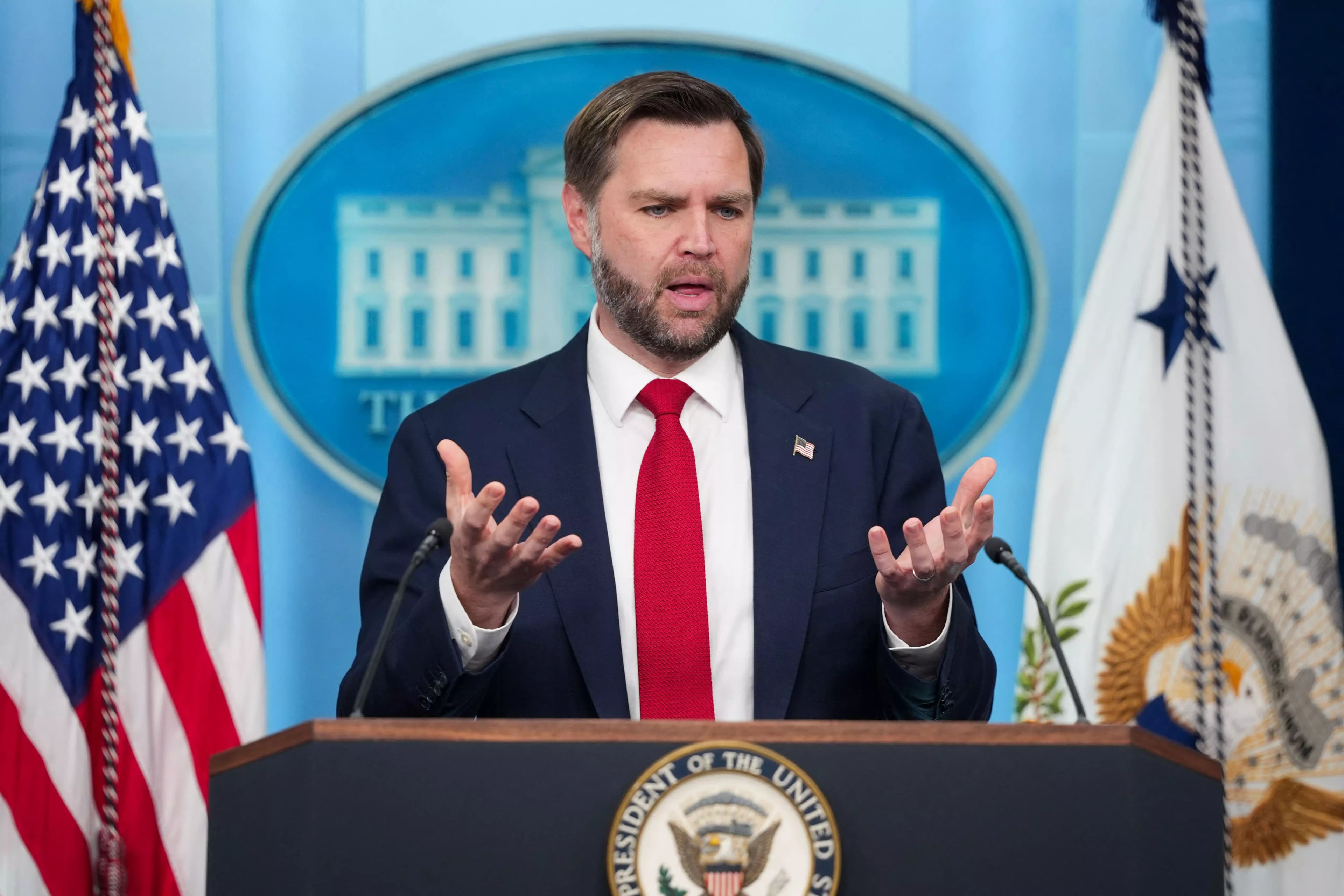
Vice President JD Vance has postponed his trip to Switzerland for critical talks on the US-Iran agreement. While the peace deal aims to end the recent Middle East conflict, uncertainty remains regarding the next steps in the 60-day diplomatic process.
Highlights
- •US Vice President JD Vance delays his diplomatic trip to Switzerland for Middle East talks.
- •A 60-day window for negotiations was established following a US-Iran peace agreement.
- •Iran's Supreme Leader Mojtaba Khamenei approved the deal to protect Iranian national interests.
- •The US military has lifted its naval blockade on Iranian ports to support the treaty.
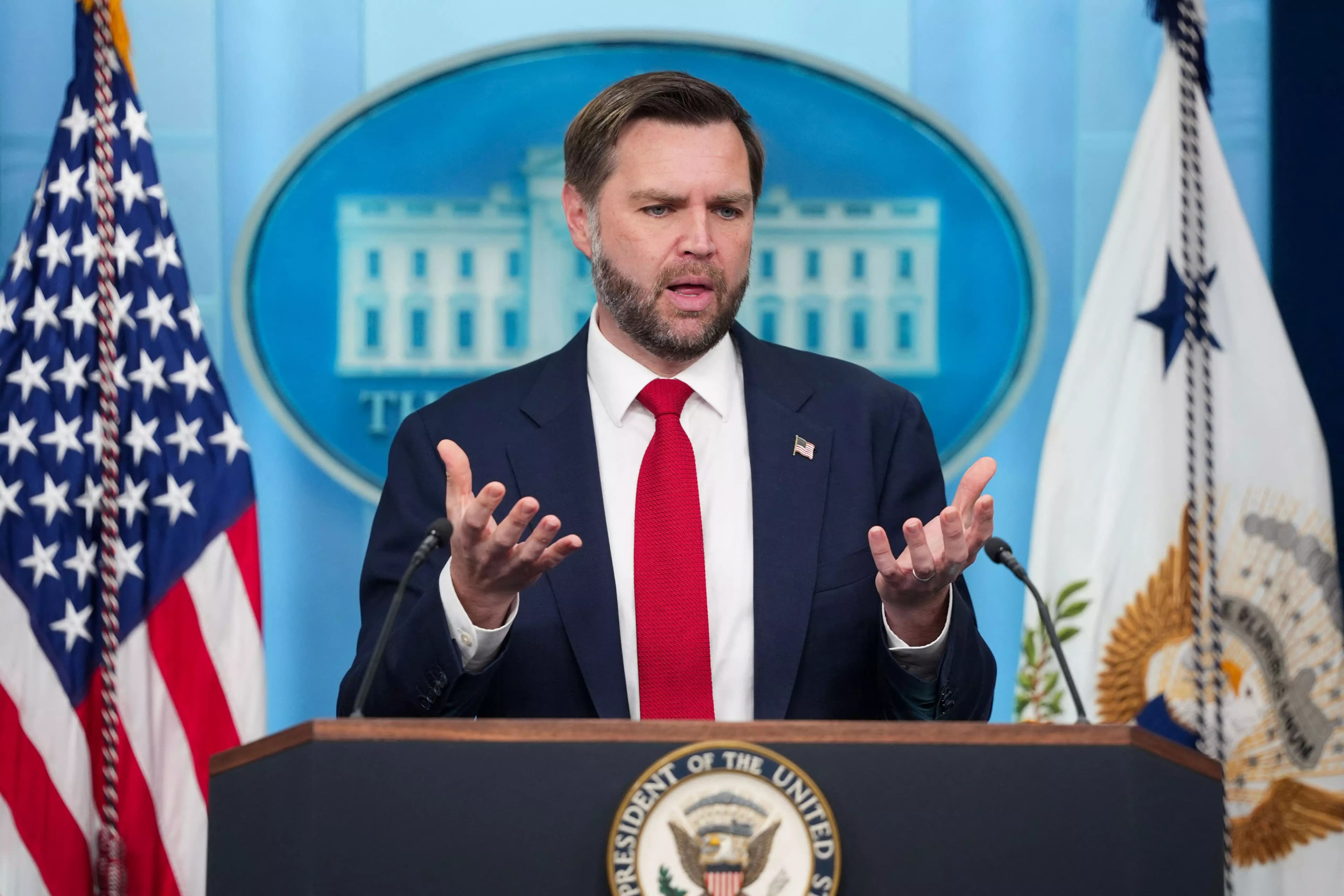
United States Vice President JD Vance has officially delayed his planned visit to Switzerland, where high-level discussions regarding the conclusion of the ongoing conflict in the Middle East were scheduled to take place this Friday. According to official reports from the White House, the logistical complexities surrounding these delicate US-Iran negotiations have rendered the original timeline unpredictable, leading to the postponement of the Vice President's departure.
The development follows a significant diplomatic breakthrough earlier this week, when President Donald Trump and Iranian President Masoud Pezeshkian signed an agreement intended to stabilize the region. This accord has initiated a 60-day window for comprehensive talks aimed at addressing long-standing issues, including the Iranian nuclear programme. Despite the agreement, the immediate path forward remains uncertain, particularly given the lack of formal diplomatic relations between the two nations since the 1979 Islamic revolution.
Status of the US-Iran Negotiations
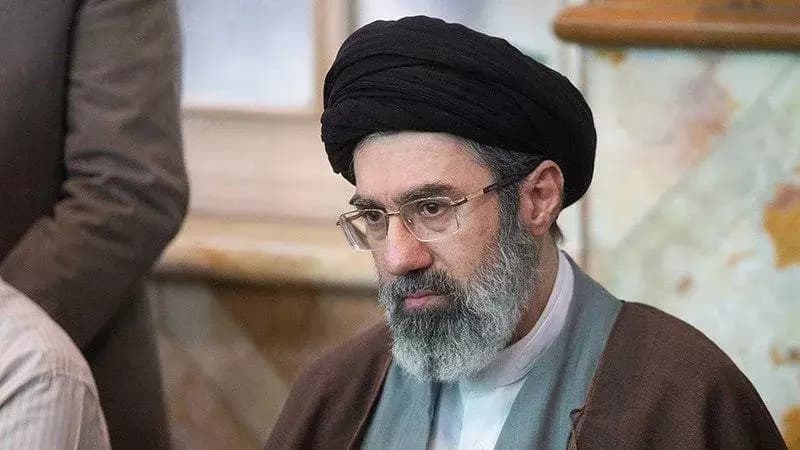
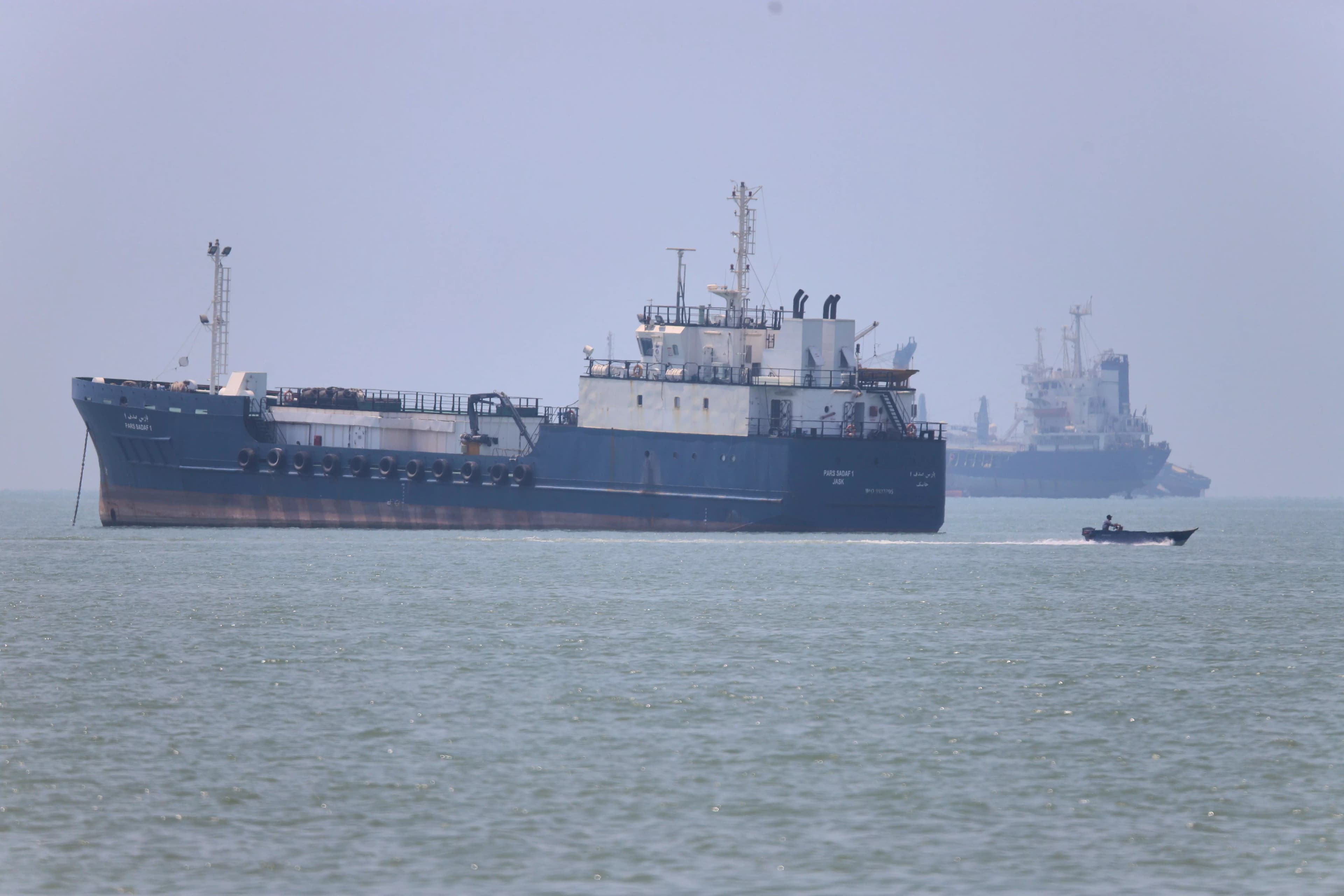
Mojtaba Khamenei, the Supreme Leader of Iran, confirmed his approval of the deal, noting that he had granted permission to move forward to protect the national interests of the country, despite holding differing views on specific terms. Meanwhile, the United States military has taken concrete steps to implement the agreement by lifting the naval blockade on Iranian ports. While these strategic waters, including the Strait of Hormuz, are showing signs of increased activity, the transition to full normalization remains fragile.
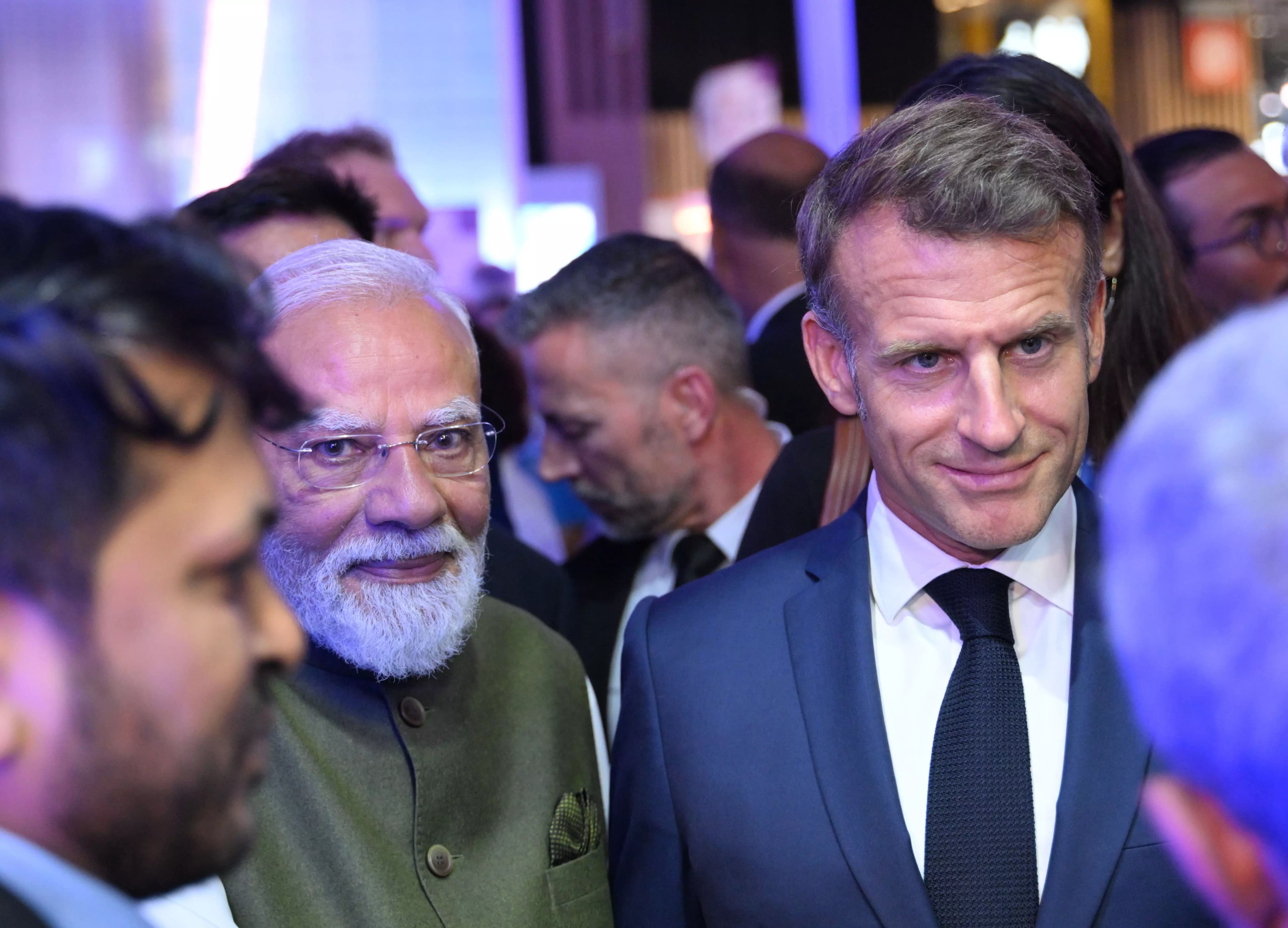
The geopolitical implications of these US-Iran negotiations remain a subject of intense debate. While the deal aims to replace five weeks of intense warfare with a sustainable ceasefire, public sentiment in Tehran is mixed. Local observers, including residents and international leaders like French President Emmanuel Macron, have expressed skepticism regarding the long-term viability of the peace process, fearing that hostilities could resume once the current 60-day window concludes.
In the United States, the diplomatic shift has faced scrutiny from political figures, with some labeling the cessation of hostilities as a risky foreign policy move. However, proponents of the agreement argue that continuing military operations would have incurred significant economic costs, potentially triggering a global energy crisis. As the international community watches, both Washington and Tehran are now preparing for technical discussions to ensure the agreement remains in effect, even as top officials warn that any breach of the treaty would be met with a firm response.