Iran's Supreme Leader Backs Direct US Negotiations as Naval Blockade Lifts
Iranian Supreme Leader Ayatollah Mojtaba Khamenei has endorsed direct negotiations with the US following a de-escalation deal. Consequently, the US military has lifted its naval blockade of Iranian shipping, allowing millions of barrels of oil to transit through the Strait of Hormuz.
Highlights
- •Iranian Supreme Leader Ayatollah Mojtaba Khamenei approved direct US negotiations.
- •US Central Command confirmed the lifting of the naval blockade on Iranian shipping.
- •Approximately 12.5 million barrels of oil successfully transited the Strait of Hormuz.
- •US naval forces remain in the region to monitor adherence to the new agreement.
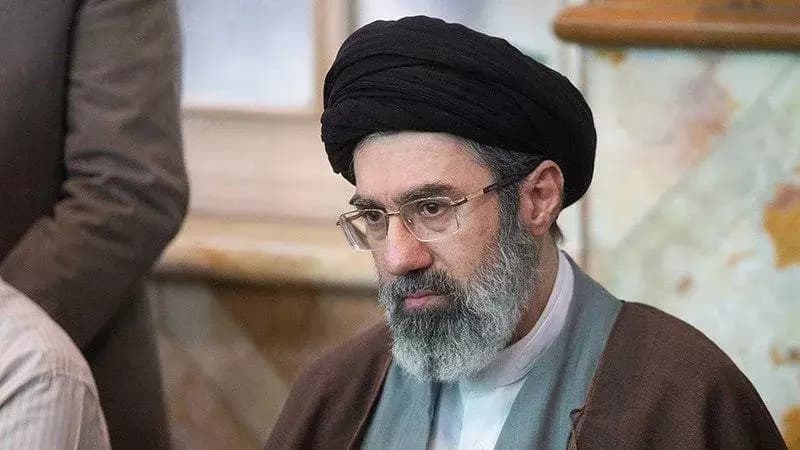
The Iranian Supreme Leader, Ayatollah Mojtaba Khamenei, has officially endorsed the prospect of direct bilateral negotiations with the United States. In a formal statement released by state media late Thursday, this development marks a significant shift in diplomatic posture regarding a recently established deal intended to cease active hostilities between the two nations.
During his address, Ayatollah Khamenei clarified the strategic intent behind this move, stating that engaging in face-to-face discussions does not equate to conceding to the viewpoint of the opponent. This communication serves as the first public reaction from the leadership regarding the de-escalation efforts. Notably, Ayatollah Khamenei has not made a public appearance since sustaining injuries during a military strike earlier in the ongoing conflict.
US Military Lifts Blockade on Iranian Shipping
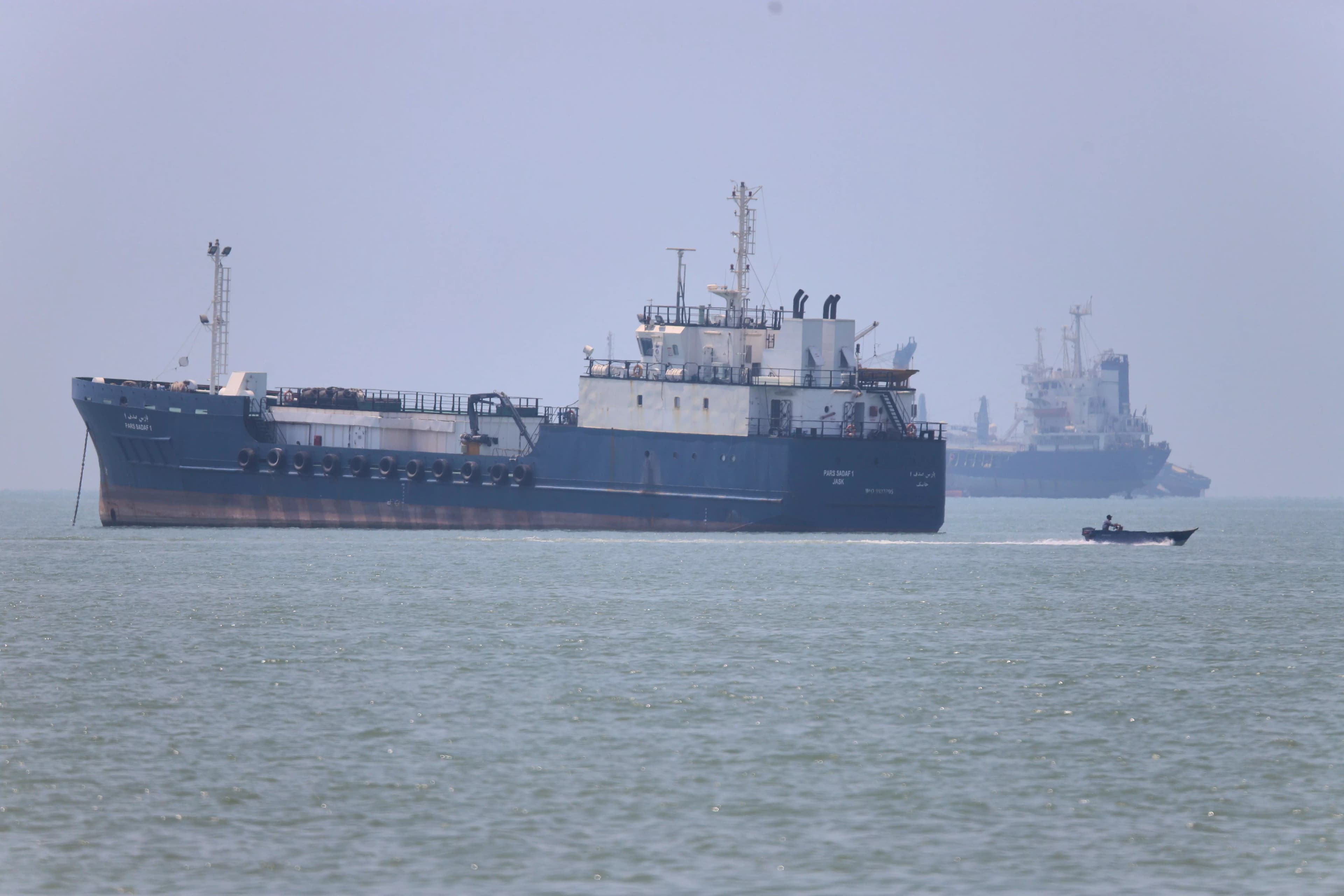
Parallel to these diplomatic overtures, the United States Central Command has formally confirmed the termination of its blockade on Iranian shipping. This tactical adjustment was announced on Thursday via social media, signaling a cooling of maritime tensions in a critical global corridor.
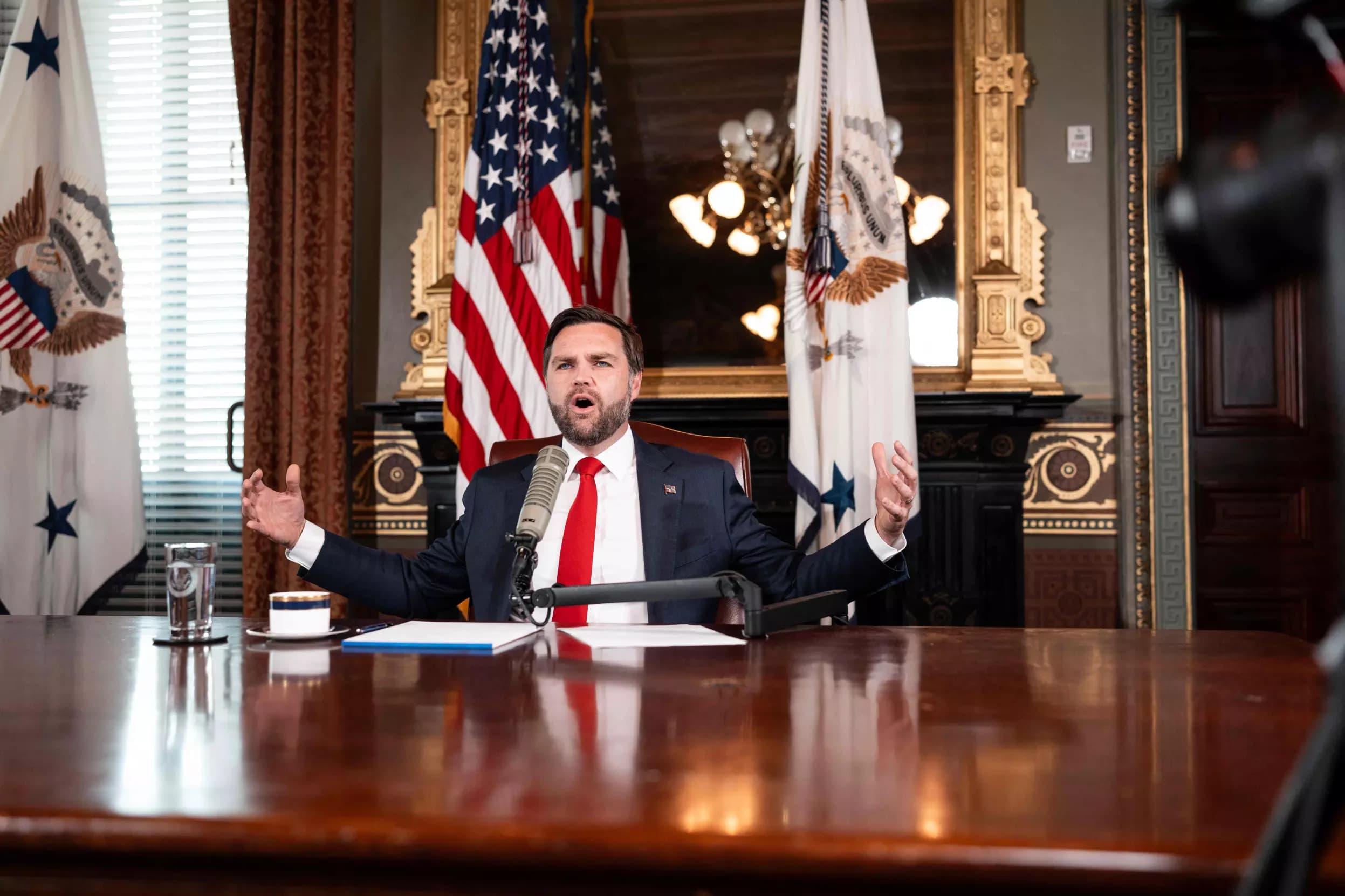
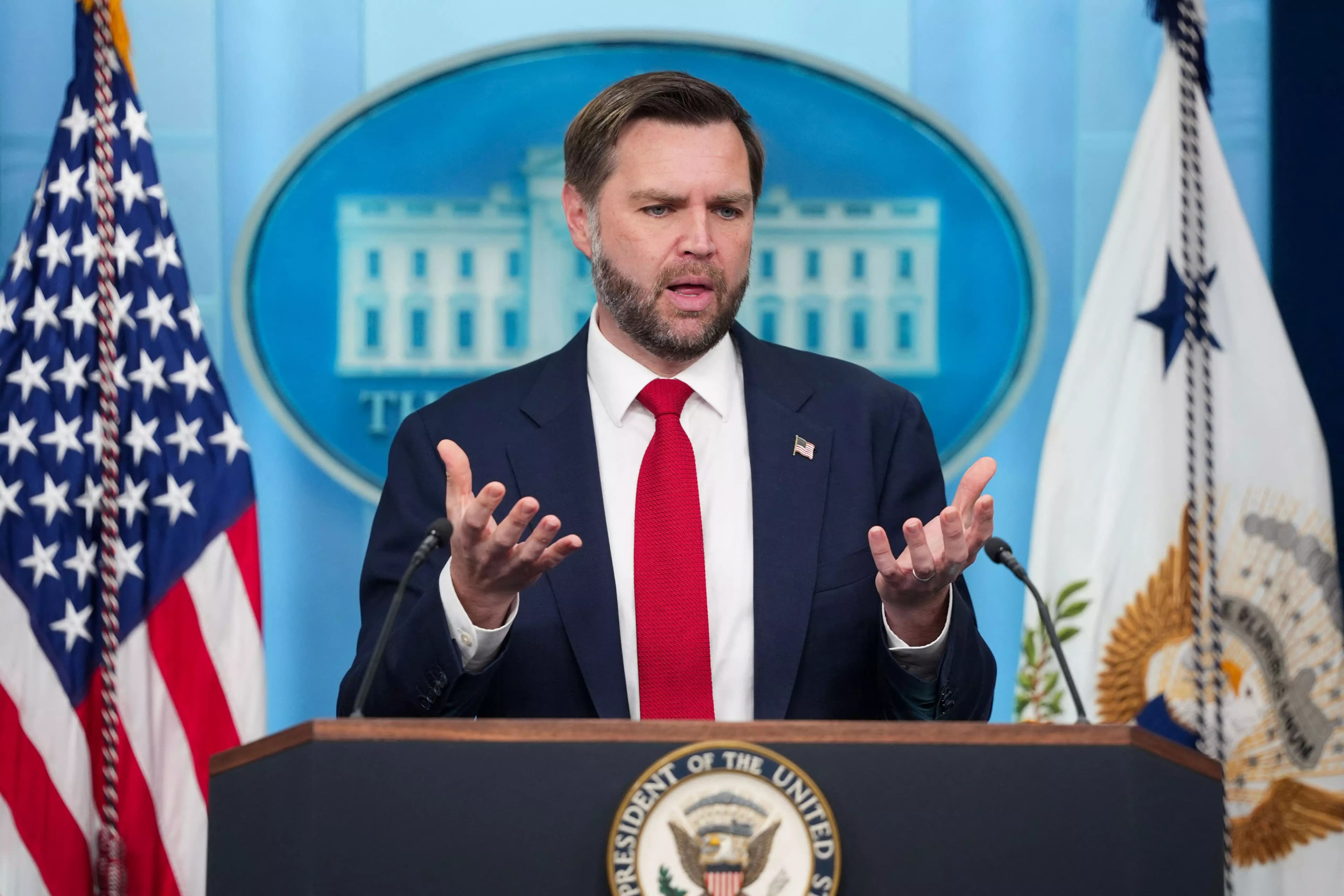
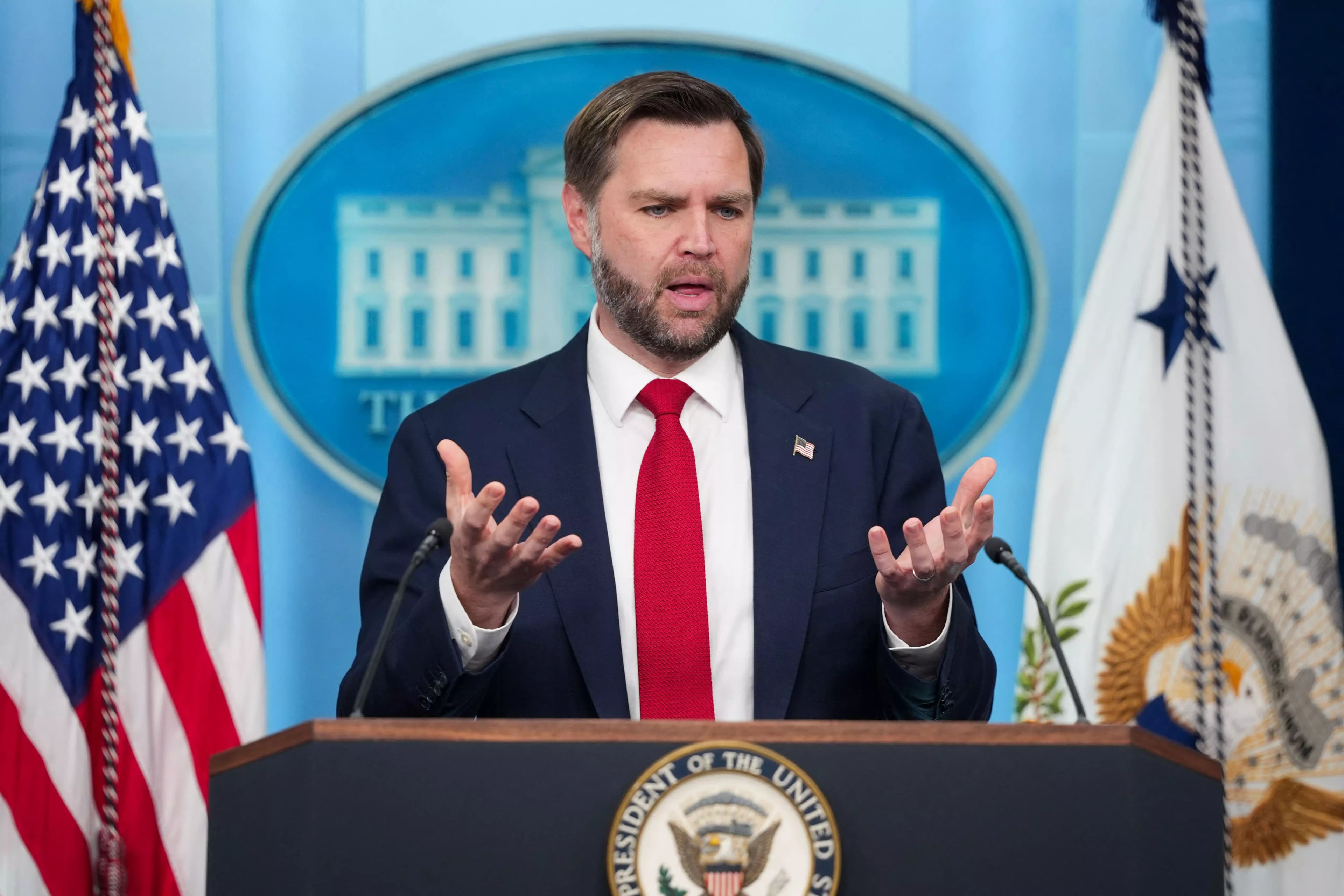
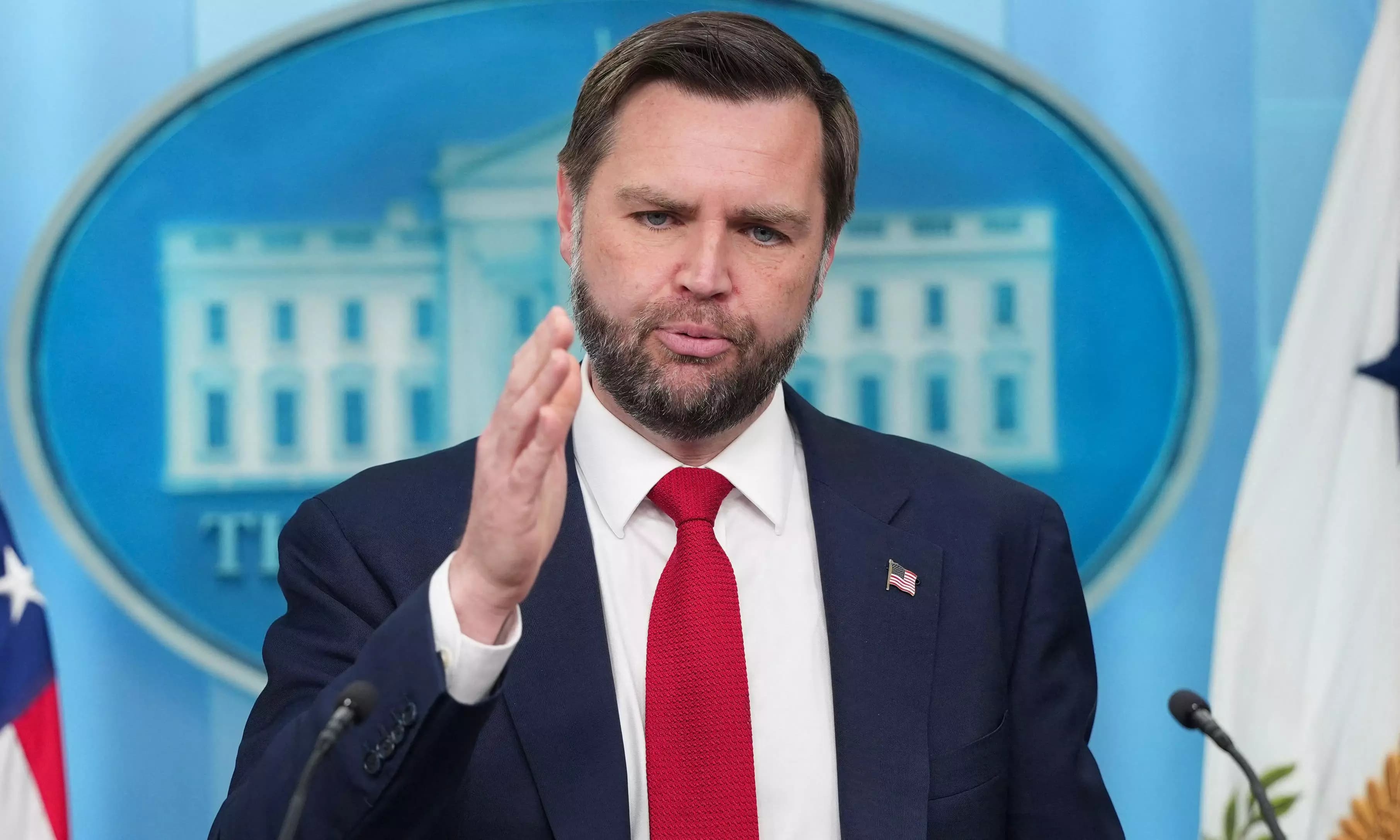
The announcement followed remarks from US Vice President JD Vance, who informed the media that transit operations through the Strait of Hormuz had resumed. According to Vance, approximately 12.5 million barrels of oil were successfully transported on Wednesday. Furthermore, the US military authorized the passage of more than a dozen commercial vessels that had previously been halted by the naval blockade.
Despite the relaxation of these restrictions, the United States maintains a robust naval presence in the region. US Central Command emphasized that its fleet, which currently includes more than a dozen ships and two aircraft carriers stationed in waters off the coast of Iran, will continue to operate in the vicinity. This deployment is intended to ensure that all provisions of the new agreement are strictly observed and upheld by all involved parties.
The move to lift the blockade and initiate direct negotiations represents a pivotal turn in the geopolitical landscape, as international observers monitor whether these commitments will foster long-term regional stability. The continued presence of naval assets underscores the cautious approach being taken by the United States to guarantee compliance with the terms of the de-escalation deal.