Rising Elderly Population in Tamil Nadu Demands Urgent Senior Care Action
A recent White Paper on Tamil Nadu's fiscal management reveals a projected surge in the elderly population by 2031. The report urges the government to prioritize geriatric care, financial support, and protections for senior citizens to manage this demographic shift effectively.
Highlights
- •Tamil Nadu projects elderly population to reach 18.2 percent by 2031.
- •The old-age dependency ratio is expected to rise from 20.6 to 32.7 by 2036.
- •Geriatric care is currently overlooked in government social welfare planning.
- •Authorities must implement measures to protect senior citizens from financial scams.
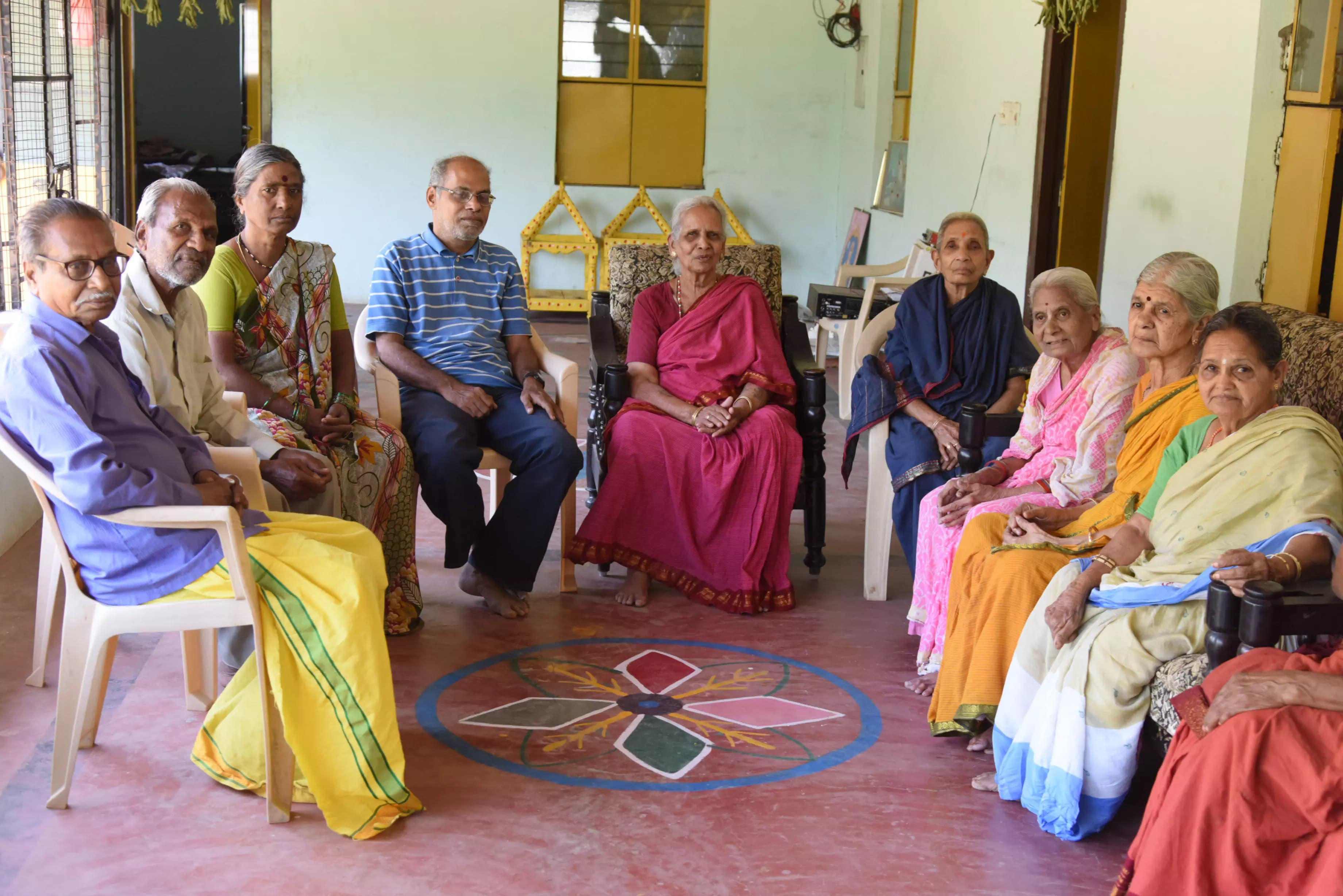
A recent official White Paper examining the fiscal management of Tamil Nadu has brought to light a significant demographic challenge: the state's expanding elderly population. Projections indicate that the segment of senior citizens is expected to rise sharply, potentially reaching 18.2 percent by 2031. This trend, which sees the old-age dependency ratio climbing from 20.6 in 2021 to an estimated 32.7 by 2036, highlights an urgent need for proactive government intervention and comprehensive senior care policies.
Addressing the Challenges of Senior Care
While the initial purpose of the White Paper was to evaluate the financial strategies of the previous administration, it has inadvertently underscored a neglected aspect of social welfare. Currently, geriatric care is not prioritized by political leadership, largely because the elderly demographic is often not viewed as a pivotal vote bank. The report suggests that the state faces a critical risk of growing old before it achieves significant wealth, which could narrow the tax base and strain public resources.
To effectively manage this demographic shift, the government must reorient its social welfare approach. Immediate efforts should focus on training more professionals specialized in geriatric care. Beyond medical necessities, the aging population requires robust psychological, financial, and emotional support systems. This is particularly crucial as many families now see younger generations move away to distant locations, leaving senior citizens without traditional family-based support structures.
Protecting Vulnerable Senior Citizens
Furthermore, authorities must implement secure systems to shield the elderly from financial exploitation and the schemes of fraudulent actors. As the state works to resolve the fiscal challenges identified in the White Paper, integrating protections for senior citizens, especially those from lower socio-economic backgrounds, is essential. While private, high-end care homes are becoming more common for the affluent, the government has a responsibility to ensure that accessible and quality care is available to the wider public.
Ultimately, the escalating need for senior care requires a multi-faceted approach. By combining improved medical training, enhanced social protections, and targeted financial support, the state can foster a more secure environment for its elderly residents. Neglecting these requirements could lead to significant social challenges in the coming years, making it imperative for the government to place the well-being of the elderly at the forefront of its policy agenda.