Workers Reject New VB-G RAM G Draft Rules, Announce Protests from July 1
Worker groups have rejected the government's proposed VB-G RAM G scheme, claiming it undermines the MGNREGA. Protests are set to begin July 1 across India as activists demand the withdrawal of the new rules and the restoration of guaranteed employment for rural workers.
Highlights
- •Worker organizations announced nationwide protests against the VB-G RAM G draft rules starting July 1.
- •Analysis suggests the new scheme lacks sufficient financial backing to deliver the promised 125 days of employment.
- •Activists report a significant decline in national person-day generation compared to the previous year.
- •Workers demand the removal of digital attendance mandates like the NMMS and facial recognition.
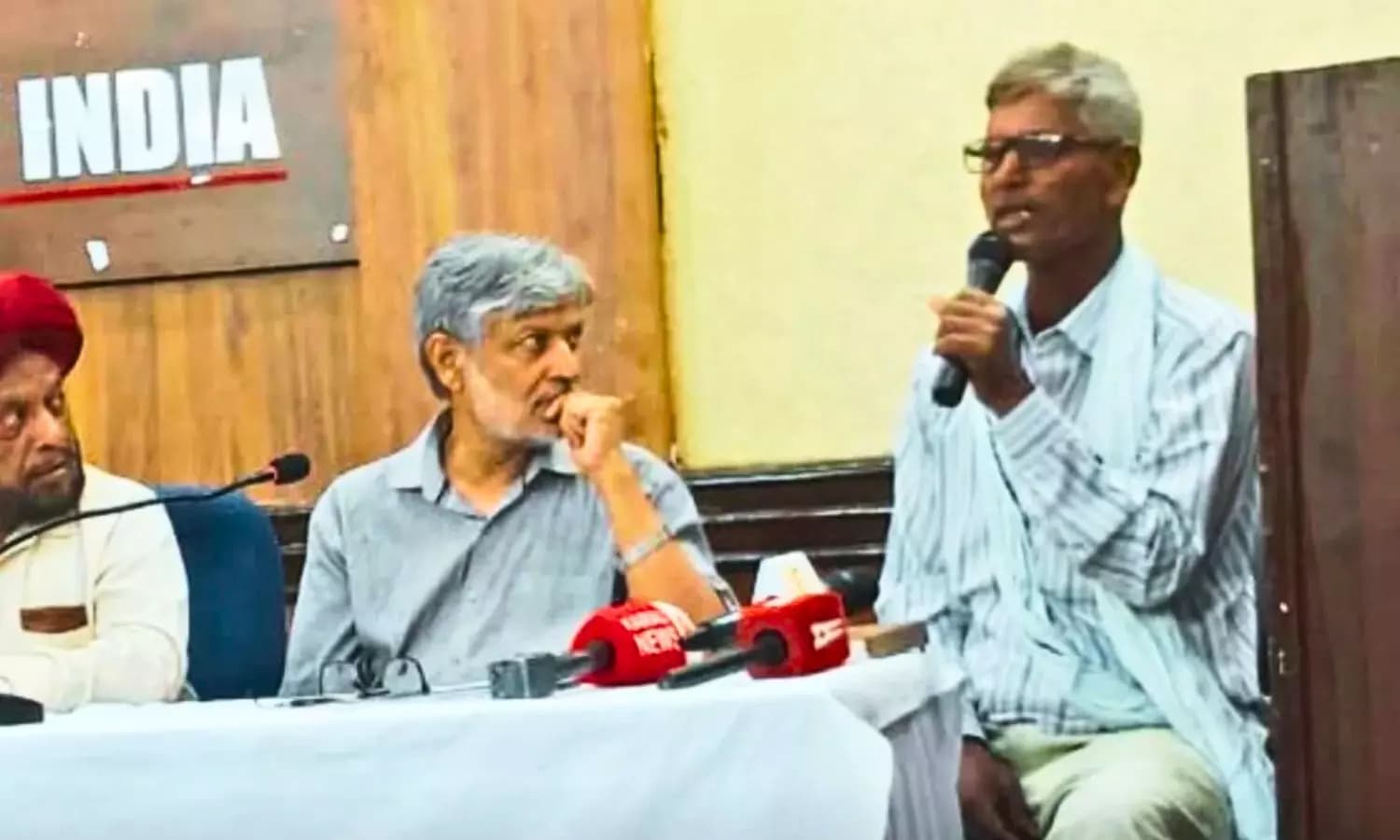
Worker organizations have collectively rejected the government's newly proposed Viksit Bharat - Guarantee for Rozgar and Aajeevika Mission - Gramin (VB-G RAM G) draft rules. Represented by groups such as the NREGA Sangharsh Morcha and various agricultural labour unions, these activists have announced a series of nationwide protests beginning July 1 to demand the immediate repeal of the controversial scheme.
Concerns Over the Future of Rural Employment
The core of the opposition centers on the belief that the VB-G RAM G draft rules represent a significant reduction in the employment guarantees previously afforded to rural workers. Analysts from these labor organizations argue that the government's own data indicates the promised 125 days of employment are neither administratively achievable nor adequately supported by financial allocations. They contend that the proposed framework serves to centralize power while simultaneously eroding the protections established under the original MGNREGA legislation.
According to calculations presented by the NREGA Sangharsh Morcha, states will face severe funding shortfalls if forced to adhere to these new guidelines. For instance, projections show Madhya Pradesh would require an additional Rs 31,013 crore to meet the 125-day promise, while Rajasthan and Uttar Pradesh would need Rs 27,212 crore and Rs 27,987 crore respectively. Furthermore, data indicates a alarming downward trend in person-days generated across the nation, which fell by nearly 35 percent between January 2025 and January 2026.
Technological Hurdles and Protests
Beyond fiscal concerns, workers have highlighted significant challenges regarding the implementation of digital tools. Many rural residents have reported difficulties using the National Mobile Monitoring System (NMMS), particularly due to the lack of smartphone ownership among laborers and unreliable biometric authentication. Workers such as Kamla Devi from Rajasthan and Jagannath from Uttar Pradesh have voiced frustrations over uncertainty in work availability and the potential for wage losses caused by these digital requirements.
The upcoming demonstrations are scheduled to occur at the village, block, panchayat, and ward levels across the country. Labor leaders, including All India Agricultural Workers Union General Secretary B Venkat, have confirmed plans for 'jail bharo' campaigns and collaborative efforts with the Samyukt Kisan Morcha (SKM) to pressure the government. The organizations are also seeking the intervention of Opposition parties to challenge the legitimacy of the VB-G RAM G draft. Their primary demands remain the restoration of a strengthened MGNREGA, the guarantee of statutory minimum wages, and the elimination of mandatory facial recognition and biometric attendance systems that they argue have repeatedly compromised worker access to employment.