L-G V.K. Saxena Launches Board to Boost Iconic Ladakh Pashmina Industry
Lt. Governor Vinai Kumar Saxena has approved the Ladakh Pashmina Development Board to revolutionize the region's iconic Pashmina industry. The new body will focus on local processing, quality certification, and international branding to ensure sustainable growth and better returns for nomadic pastoralists.
Highlights
- •Lt. Governor Vinai Kumar Saxena approved the Ladakh Pashmina Development Board to boost the industry.
- •The board will focus on local value addition, including processing, branding, and global export promotion.
- •The Ladakh Pashmina Mission will improve goat productivity, animal health, and sustainable rangeland management.
- •New certification and traceability systems will be implemented to combat counterfeits and protect the fiber's integrity.
To bolster and safeguard the region's renowned Ladakh Pashmina industry, the Lieutenant Governor of Ladakh, Vinai Kumar Saxena, has officially sanctioned the formation of the Ladakh Pashmina Development Board (LPDB). This new institution represents the nation's first specialized body dedicated to the comprehensive growth, strategic branding, and international promotion of Ladakh Pashmina, which is widely recognized as one of the world's most luxurious and finest natural fibers.
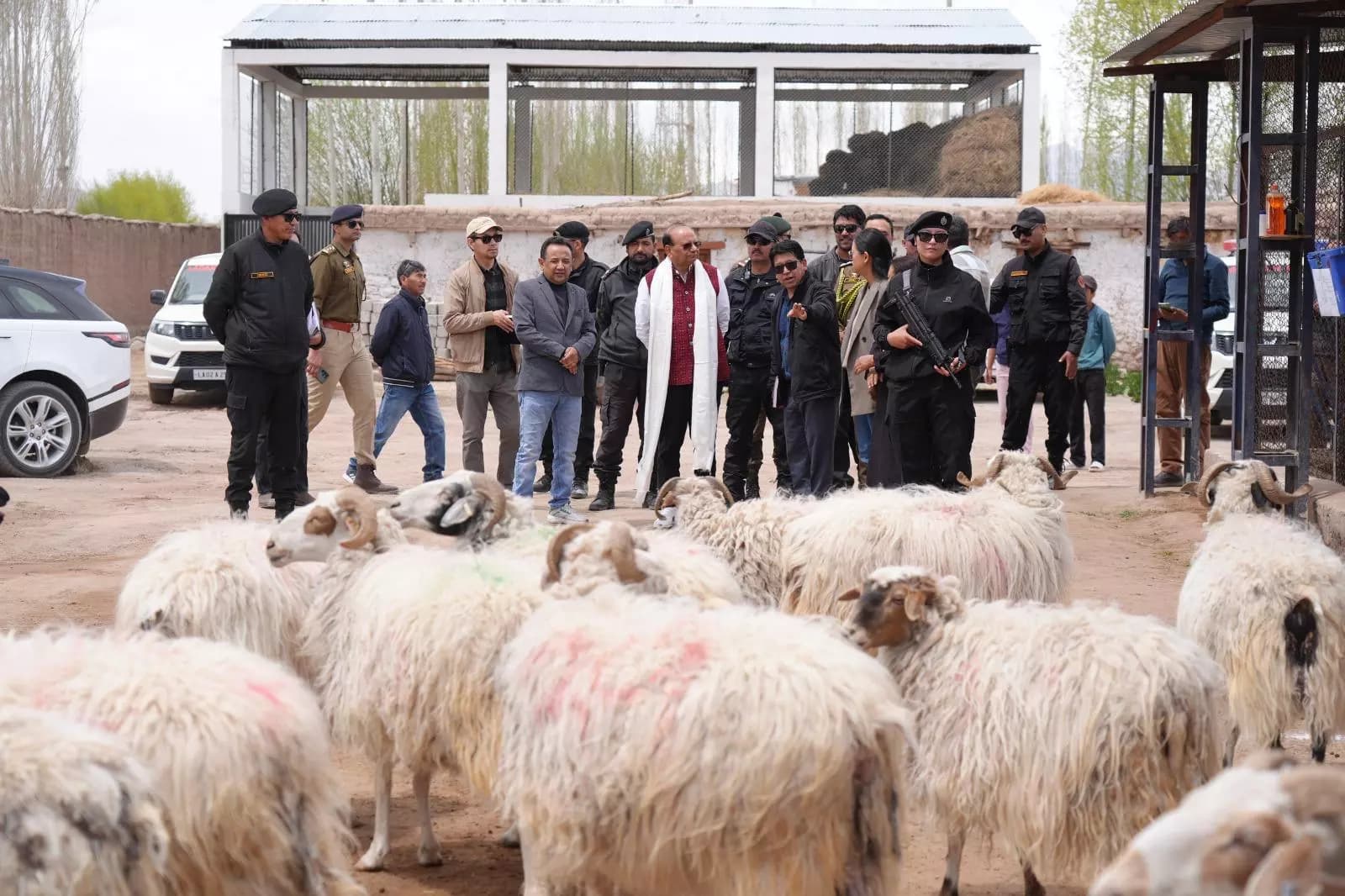
The premium fiber is harvested from the undercoat of Changthangi or Changra goats, which are primarily raised by nomadic Changpa pastoralists living in the high-altitude Changthang region. These resilient animals thrive in harsh, freezing environments, producing an exceptionally fine fleece that typically measures between 12 and 15 microns in diameter. This high-quality material is essential for producing high-end stoles, shawls, and luxury apparel.
Strategic Vision for the Ladakh Pashmina Industry
The establishment of this board marks a pivotal shift in the administration's commitment to creating a sustainable and transparent ecosystem for local producers. With approximately 200,000 Pashmina goats in the region, Ladakh produces between 40 and 50 tonnes of raw fiber annually. Historically, much of this raw material has been exported out of the region for processing and branding, meaning significant value-added profits were captured elsewhere. The board aims to reverse this trend by establishing local infrastructure for dehairing, spinning, and weaving.
The Ladakh Pashmina Development Board features a dual-structure governance model, with the Governing Body led by the Lt. Governor and the Executive Committee headed by the Chief Secretary. This board will spearhead the Ladakh Pashmina Mission, which focuses on enhancing the genetic quality of the goat population, improving rangeland health through climate-resilient strategies, and implementing advanced scientific breeding and animal healthcare practices.
Furthermore, the initiative emphasizes the importance of Geographical Indication (GI) recognition in protecting the authenticity of the fiber against counterfeits. By fostering local processing capabilities and introducing robust certification and digital traceability systems, the board expects to elevate the market position of Ladakh Pashmina. These efforts are designed to ensure that local artisans and herders receive fair compensation while providing global consumers with certified, ethically sourced, and high-quality luxury products. Through targeted design innovation and organized marketing, Ladakh aims to transform into a premier hub for finished, high-value Pashmina goods, ultimately securing the long-term economic prosperity of the Changthang communities.