DMK Slams Tamil Nadu Finance White Paper as Massive Political Failure
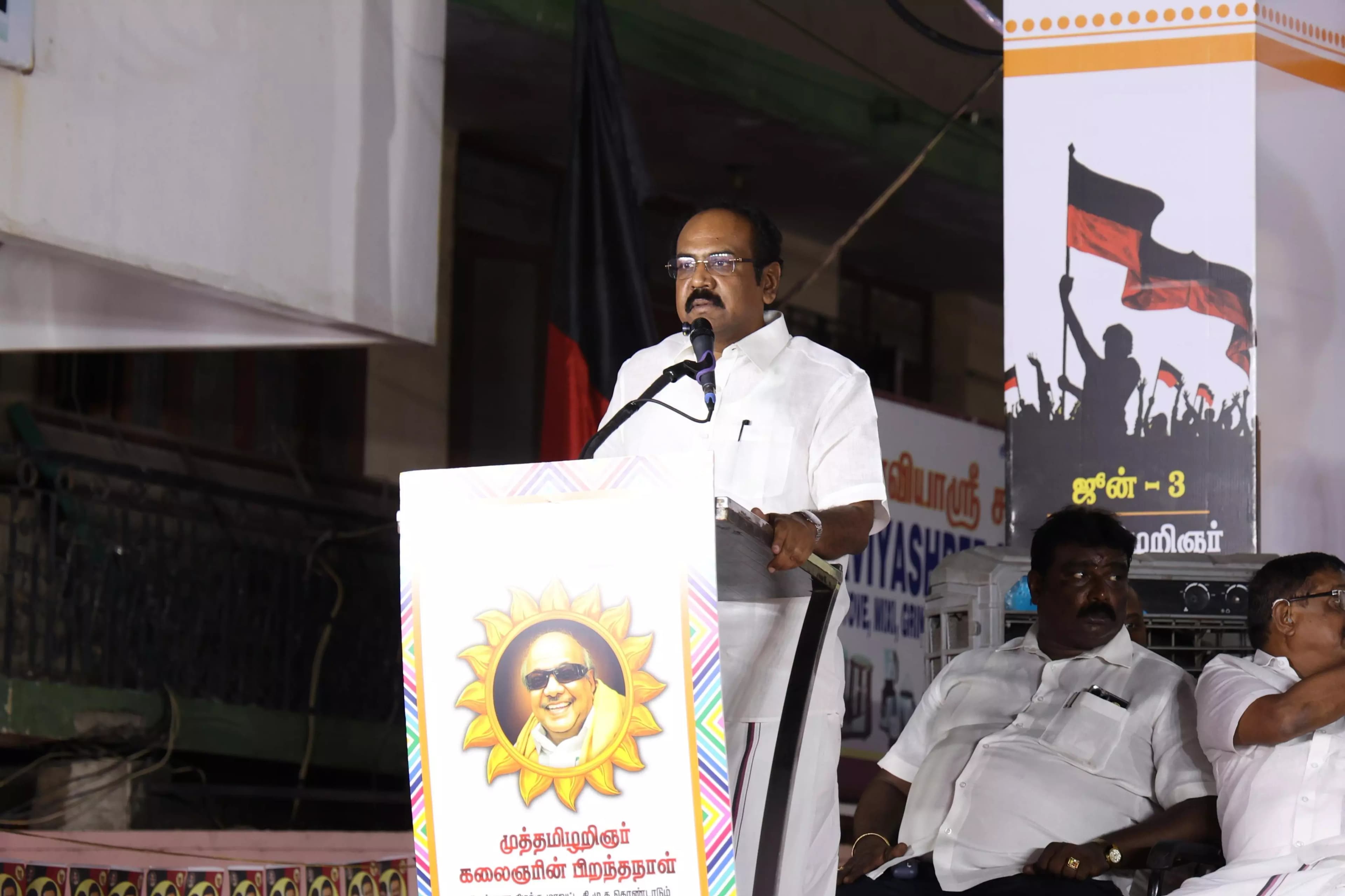
Senior DMK leader Thangam Thenarasu has condemned the Tamil Nadu government's new finance white paper as a total failure. He argues the report is a strategic diversion to conceal administrative inefficiencies and unfulfilled electoral promises, promising a detailed rebuttal to the government's claims soon.
Highlights
- •DMK leader Thangam Thenarasu labels the Tamil Nadu government's finance white paper a total failure.
- •The document, released by Finance Minister Marie Wilson, criticized the previous administration under M K Stalin.
- •The opposition claims the report is a diversionary tactic to hide administrative inefficiencies and unfulfilled promises.
- •The DMK plans to issue a comprehensive, detailed rebuttal to the claims made in the white paper shortly.
The political landscape in Tamil Nadu has intensified following the release of a finance white paper by the state government. Senior DMK leader Thangam Thenarasu has launched a sharp critique of the administration, characterizing the document as a profound failure and a clear attempt at political deflection. According to the opposition, the report serves primarily as a smoke screen to mask significant administrative shortcomings and unfulfilled electoral pledges.
The finance white paper, unveiled on Tuesday by Tamil Nadu Finance Minister Marie Wilson, included critical observations regarding the performance of the previous DMK regime, which was led by then Chief Minister M K Stalin. The current administration sought to use the document to provide insight into the state's fiscal health, but the move has drawn immediate and pointed backlash from opposition leadership.
Criticism of the Finance White Paper
Thangam Thenarasu strongly rejected the claims made within the document, arguing that the true state of Tamil Nadu’s economy had already been comprehensively addressed during the formal state budget presentation. He contended that the present government, which secured power based on ambitious electoral promises, is now struggling to implement its agenda due to a lack of administrative efficiency.
The DMK leader did not mince words, describing the government's current position as one of being overwhelmed by the complexities of governance. He asserted that the administration, having failed to deliver on its grand public assurances, is now attempting to divert public attention through the high-profile release of this report. He characterized the finance white paper as a massive disappointment, labeling the entire exercise as a form of political escapism.
Furthermore, Thangam Thenarasu expressed his belief that the report was released primarily out of anxiety that the public might soon voice their dissatisfaction on the streets regarding the non-implementation of promised welfare programs. By focusing on the past, the government is attempting to escape accountability for its own current administrative lapses. The DMK has indicated that a detailed, formal rebuttal addressing the specific allegations contained in the report will be made public in the near future. The ongoing debate highlights the deep political divide in Tamil Nadu, with both sides trading accusations over fiscal responsibility, governance standards, and the prioritization of welfare commitments to the citizens of the state.