MY Bharat Enables 1.22 Lakh Youth to Gain Experiential Learning

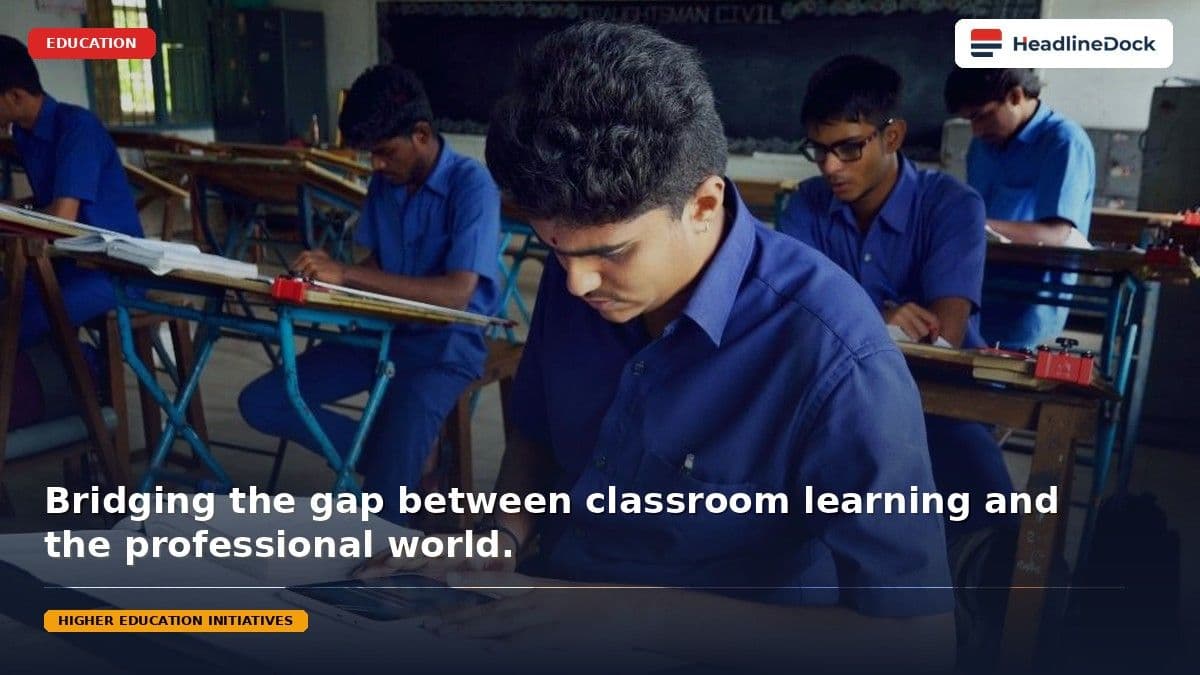
The Ministry of Youth Affairs & Sports has successfully facilitated hands-on professional exposure for 1.22 lakh Indian youth through 25,000+ Experiential Learning Programmes on the MY Bharat portal. These initiatives provide structured, government-validated workplace training across diverse sectors, including healthcare, agriculture, and high-tech industries, to enhance student professional readiness.
Read it in Short
QUICK OVERVIEW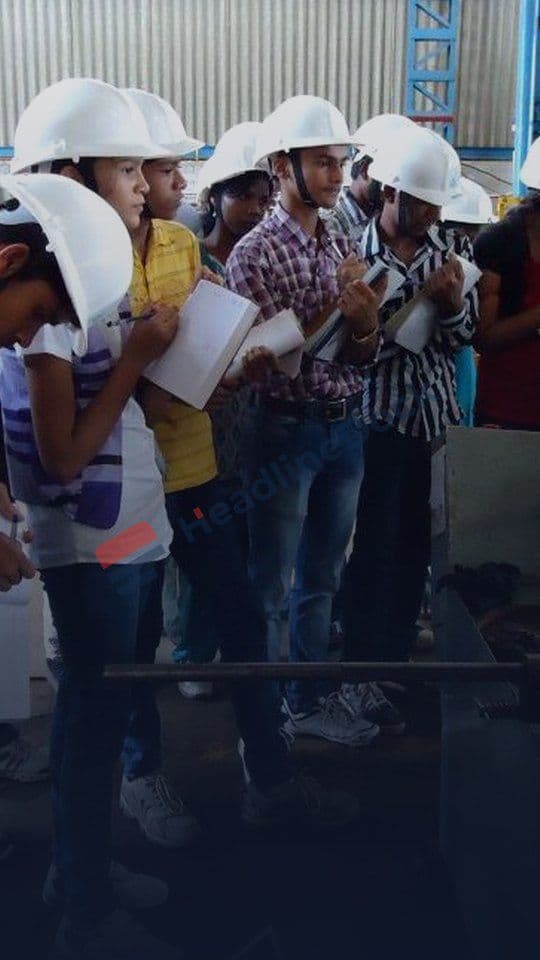
MY Bharat has provided experiential learning to over 1.22 lakh Indian youth across 25,000+ programmes.

The platform bridges the academic-industry gap by offering structured workplace exposure in government and public institutions.

Participants gain experience in diverse sectors ranging from healthcare and agriculture to semiconductor technology and road safety.
Successful completion results in a jointly validated digital certificate, enhancing professional credibility for students and young professionals.
Bridging the Skills Gap: How MY Bharat is Transforming Professional Futures
For decades, a persistent challenge has defined the transition from the classroom to the workforce: the skills gap. While academic institutions excel at providing foundational theoretical knowledge, the nuance of professional application—navigating organizational hierarchies, mastering sector-specific workflows, and solving real-world problems—is often learned only after graduation. Recognizing this, the Indian government has leveraged the Mera Yuva Bharat (MY Bharat) platform to create a centralized pipeline for experiential learning.
As of July 2026, this digital infrastructure has achieved a significant milestone, facilitating hands-on workplace exposure for over 1.22 lakh youth through approximately 25,063 structured Experiential Learning Programmes (ELPs). This development marks a transition from fragmented, private-network-based internship hunting to a standardized, merit-based, and transparent national system.
A Strategic Milestone in Workforce Readiness
On July 27, 2026, the Minister of Youth Affairs and Sports, Dr. Mansukh Mandaviya, formally announced these figures in a written reply to the Lok Sabha. The data reflects a deliberate effort to align India’s demographic dividend with the practical requirements of a modern economy. By partnering with institutions of high repute, such as IIT Madras and IISc Bengaluru, the MY Bharat platform ensures that the experience gained by participants is a rigorous introduction to professional environments.
Unlike traditional vocational training, these ELPs span critical and emerging sectors. From the intricacies of public distribution systems (PDS) and postal services to the complexities of semiconductor technology and geriatric care, the initiative ensures that youth are exposed to the pillars of national infrastructure.
Comparison: Traditional Internship Models vs. MY Bharat ELPs
| Feature | Traditional Internships | MY Bharat ELPs |
|---|---|---|
| Accessibility | Fragmented, relies on private contacts | Open, centralized digital portal |
| Verification | Often informal or inconsistent | Jointly validated digital certification |
| Sectoral Reach | Limited to specific corporate silos | Broad (Govt, Tech, Agriculture, Healthcare) |
| Financial Barrier | Often unpaid/varied | Free, government-supported infrastructure |
Why This Matters for India’s Professional Ecosystem
The success of the MY Bharat platform lies in its "Standardized Framework." By implementing a clear lifecycle—Partner Publication, User Application, Host Scrutiny, Orientation, Supervised Tasking, and Verification—the platform removes the ambiguity that often plagues young job seekers. When a student completes a programme, they receive a jointly validated digital certificate. This document carries the weight of a public institution’s endorsement, providing tangible proof of competency to future employers.
Industry observers, including those at OpenGov Asia, have noted that this expansion is a cornerstone of India’s broader digital participation goals. By digitizing the application process, the government has leveled the playing field for students from diverse geographic and socioeconomic backgrounds.
Troubleshooting: Navigating the Portal
While the MY Bharat portal is designed for seamless operation, users occasionally encounter roadblocks. Because the portal acts as the interface for various host organizations, understanding where to seek assistance is vital:
- Portal Login Issues: If you are unable to access your account, ensure your Aadhar and mobile number verification are current.
- Pending Applications: If your application remains in a "pending" state long after the deadline, remember that the scrutiny process is conducted by the specific host organization, not the MY Bharat platform itself.
- Certification Delays: If you have completed a programme but haven't received your digital certificate, contact the designated supervisor from the host organization. The host must verify your attendance within the portal before the automated system can issue your credentials.
As the platform continues to grow, it serves as a critical bridge between India's academic potential and its industrial requirements, signaling a more data-driven and inclusive approach to national human resource development.
Frequently Asked Questions
What is the objective of the ELP on MY Bharat?
The primary objective is to complement academic education with practical workplace experience, equipping youth with professional competencies and insights into public service delivery.
How are participants selected for these programmes?
Interested candidates apply via the MY Bharat portal; applications are subsequently scrutinized by the respective host organizations based on program requirements.
Is there a certificate provided upon completion?
Yes, participants receive a jointly validated digital certificate through the MY Bharat portal once the host organization verifies completion.
Who is responsible for the supervision of the participants?
The respective host organizations are responsible for participant selection, supervision, and attendance verification.
Related Articles
 Centre-State Education Partnership for Viksit Bharat 2047 Goals
 Reimagining Higher Education With The Innovative Waterloo Futures Lab Workshop
 Congress Launches Nationwide Campaign Demanding Education Minister's Resignation Over NEET-UG Row
 Revanth Reddy Inaugurates New Telangana Public School in Arutla to Boost Education