Monsoon's Dual Role: Blessing and Bane in India
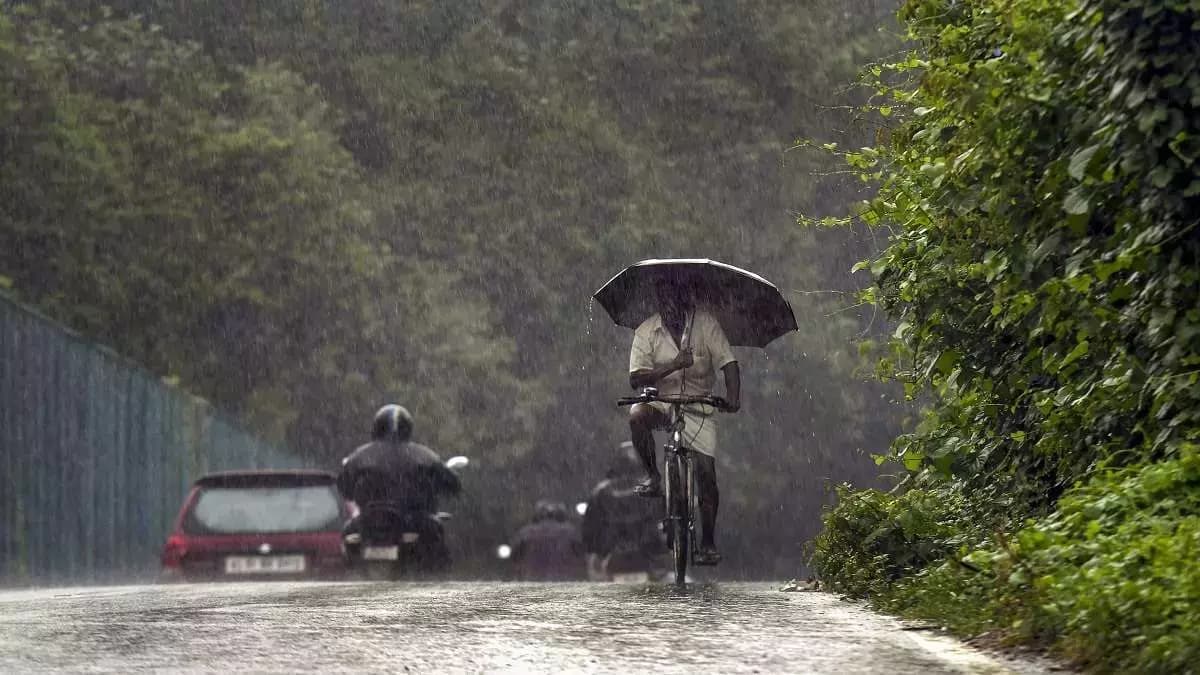
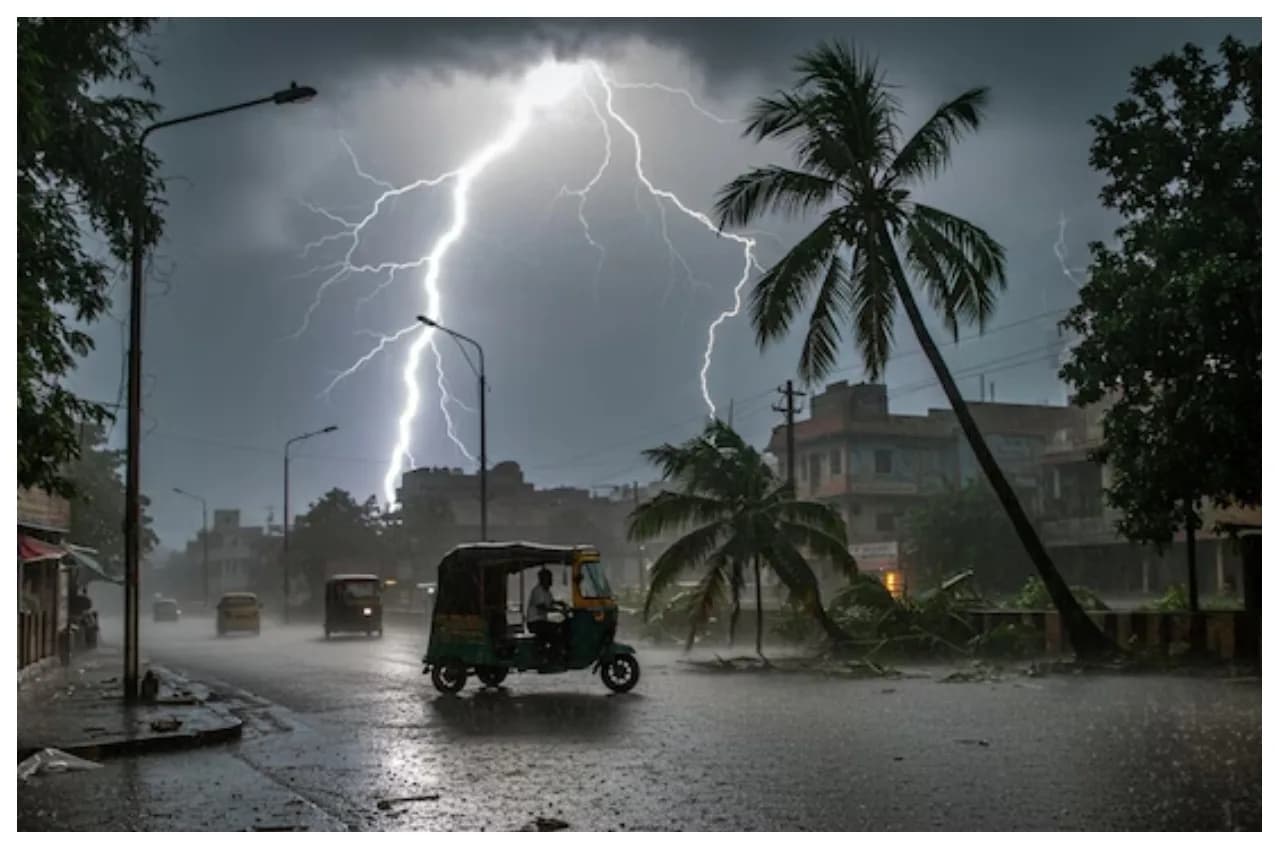
The Indian monsoon season is marked by both blessings and curses, bringing life-giving rain while also triggering floods, health crises, and property damage.
Highlights
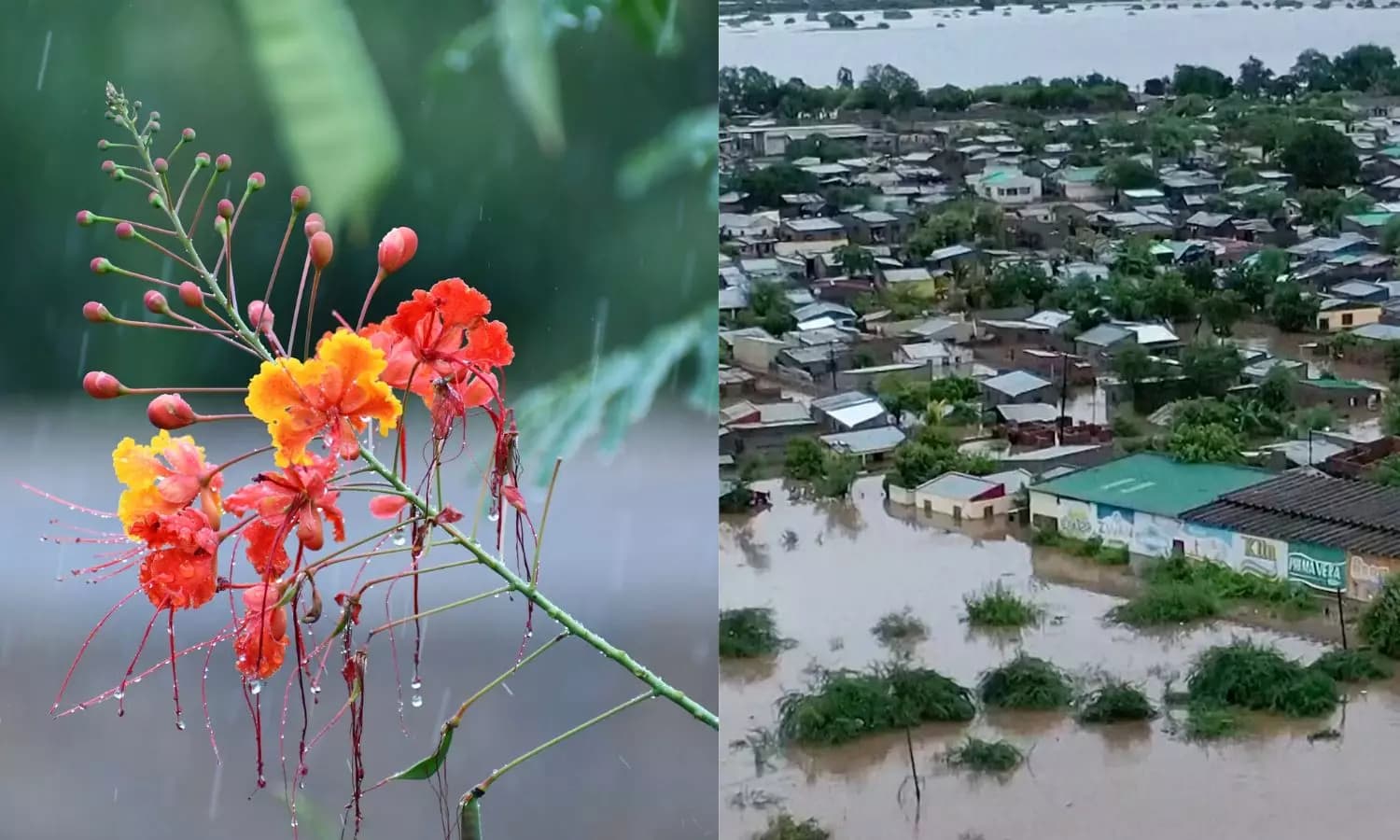
- •Monson rains are celebrated in folklore and literature as a divine blessing and a source of joy.
- •Urban flooding affects millions annually, with Mumbai often witnessing severe waterlogging problems.
- •In rural areas, excessive rainfall can bury villages and destroy crops, impacting farmers' livelihoods.
- •Government preparedness and infrastructure upgrades are crucial but often underutilized.
The Indian subcontinent experiences a unique blend of joy and trepidation with each monsoon season—an integral part of its cultural landscape. The rains, essential for agriculture and daily life, have long been celebrated in folklore, art, and literature. But over the decades, the impact has shifted from blessings to bane as climate change and natural disasters compound existing issues.
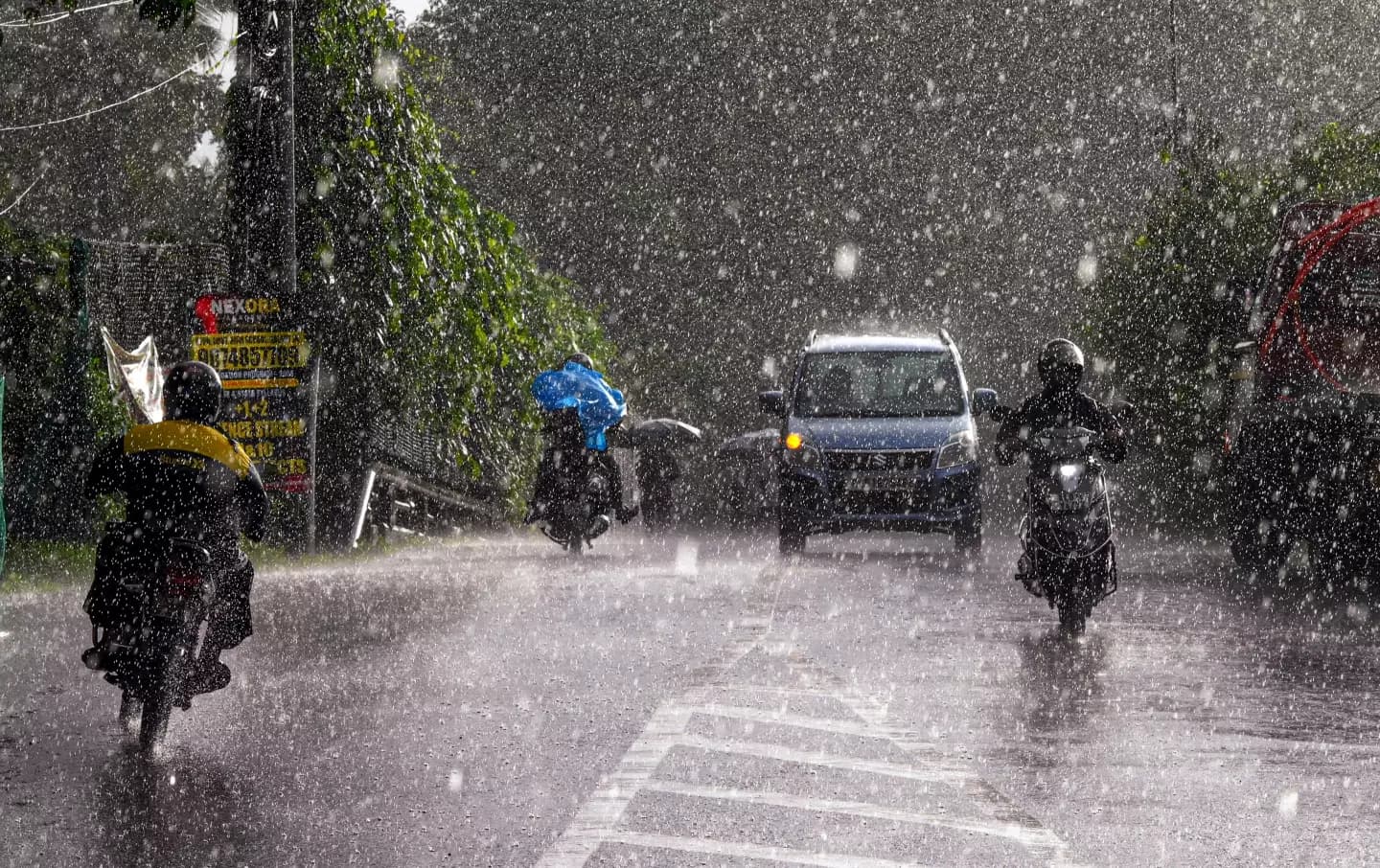
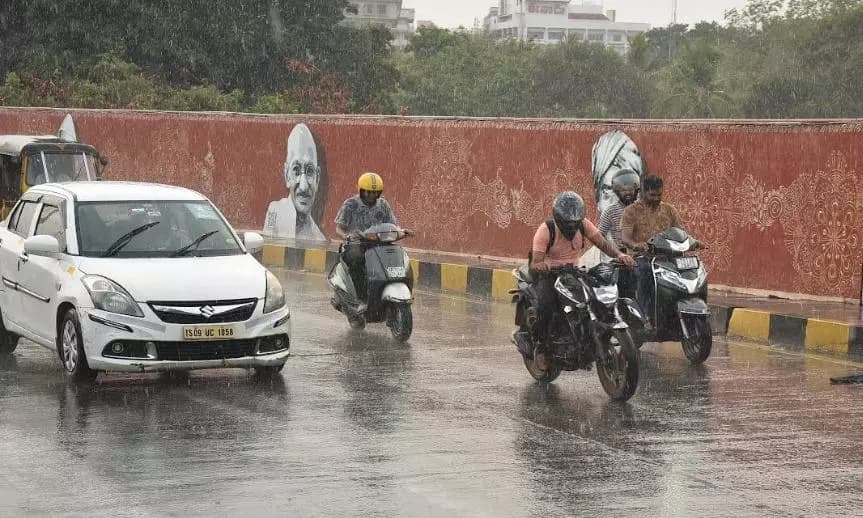
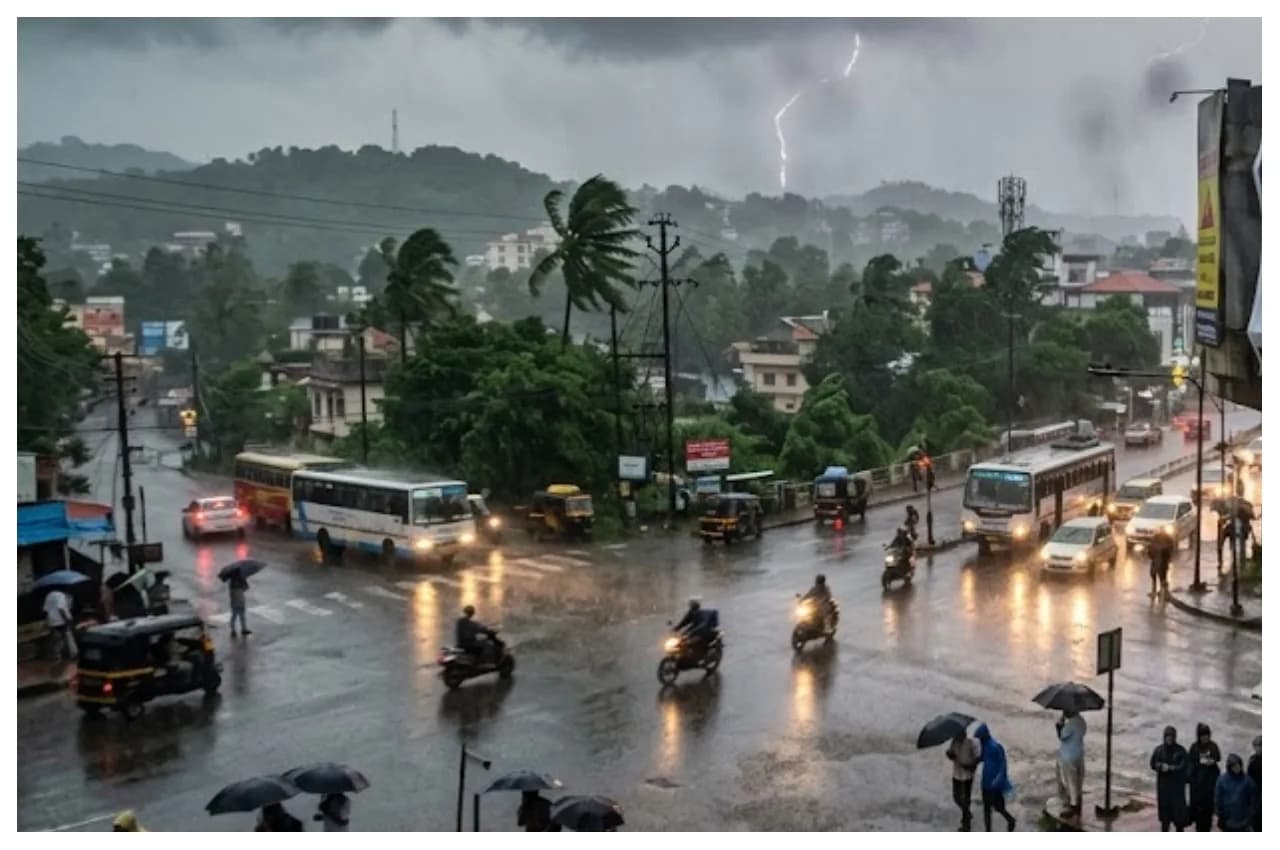
The monsoon season, typically running from April to September, brings relief from the summer heat while rejuvenating landscapes with water and nutrients. However, excessive rainfall can lead to floods, landslides, and health crises. In urban centers like Mumbai, monsoons turn streets into rivers, submerging entire neighborhoods in a matter of days.
Rivers Run Amok; Lives Suffer
Overcrowding and inadequate management exacerbate the situation, leading to overflowing sewage systems and water contamination. Residents often awaken to flooding as their only escape from monsoon-induced disasters. In just half a meter of water, Mumbai's infrastructure grinds to a halt, with daily life disrupted across the city.
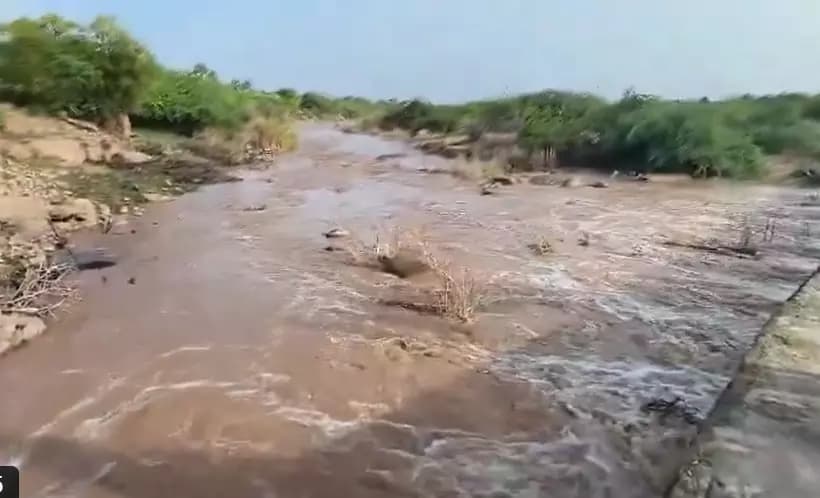
The rural landscape faces different challenges—water surges can bury villages and destroy crops. Small and medium farmers without financial buffers or support face devastating losses. The lack of adequate healthcare compounds these issues, leading to outbreaks of water-borne diseases like cholera and typhoid.
The impact extends beyond physical infrastructure; the emotional toll on communities is profound. Annual reports document loss of life, property, and livelihoods. Environmentalists point out that proactive measures could mitigate these impacts—infrastructure upgrades and sustainable practices are crucial but often ignored by policymakers focused on optics.
The National Disaster Management Authority's updated plan in 2019 provides a strategic framework, yet implementation faces challenges. Flood drills and community awareness programs can bolster preparedness but require active engagement from all stakeholders.