Huma Qureshi Leads Grit and Vengeance in New Mumbai Thriller Baby Do Die Do
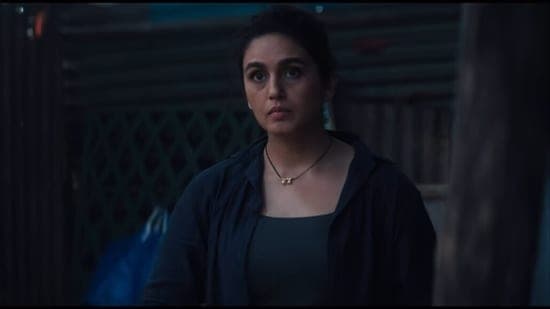
Baby Do Die Do, starring Huma Qureshi, is a gritty noir film set in Mumbai that explores themes of vengeance and urban struggle. While it features stylized visuals and strong character performances, it ultimately finds its strength in capturing the city's authentic everyday pulse.
KEY TAKEAWAYS
1 MIN READ- Huma Qureshi delivers a compelling, mostly silent performance as the protagonist Baby Karmarkar.
- The film uses a noir-inspired aesthetic to depict the gritty, rainy atmosphere of Mumbai.
- Supporting performances by Sikandar Kher and Chunky Panday add emotional weight and depth to the narrative.
- The story subverts genre clichés while focusing on themes of urban survival and human connection.
The latest cinematic offering, Baby Do Die Do, has officially arrived in theaters, capturing the intense, rainy pulse of Mumbai. Starring Huma Qureshi in a powerful and mostly silent role, the film explores themes of urban violence, vengeance, and the complex lives of those navigating the city's underbelly. The narrative follows Baby Karmarkar, a character shaped by childhood trauma, as she seeks retribution in a city that often feels indifferent to the struggles of its residents.
Exploring the Cinematic Style of Baby Do Die Do
Director Nachiket Samant employs a noir-inspired aesthetic that blends dark humor with a gritty, pulpy atmosphere. While the film occasionally dips into stylized storytelling, its real strength lies in the authentic character moments. The supporting cast, including Sikandar Kher as a conflicted gangster and Chunky Panday as a relatable, struggling middle-class resident, adds significant depth to the story. Rachit Singh also features as a music teacher, bringing a touch of vulnerability and romance to the otherwise grim narrative.
A notable aspect of Baby Do Die Do is its subversion of traditional genre tropes. An inventive musical sequence featuring Saqib Saleem provides a moment of sharp, edgy commentary, challenging typical portrayals of desire on screen. By focusing on the everyday pulse of the metropolis—the crowded trains, the monsoon storms, and the struggle for basic necessities like housing—the film attempts to ground its high-stakes drama in the recognizable reality of modern life.
Despite some predictable turns in its central plot regarding vengeance, the film manages to resonate with audiences through its depiction of shared humanity. Characters from diverse backgrounds, such as the dwarf gangster Lucky, played by Arun Kushwah, are woven into the fabric of the story, highlighting the common connections formed under the pressure of city living. The film stands out for its heart and its refusal to rely entirely on standard formulas, making it a distinct addition to the current landscape of Hindi cinema.