In the Hand of Dante: A Striking and Ambitious Cinematic Fever Dream
Julian Schnabel’s In the Hand of Dante is an ambitious, genre-defying cinematic experiment. Intertwining 21st-century crime with medieval history, the film is a bold, hallucinatory exploration of art, faith, and power that challenges traditional storytelling and leaves a lasting, polarizing impression.
Highlights
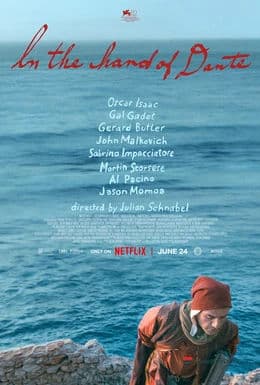
- •Julian Schnabel’s film blends manuscript mystery, gangster thriller, and spiritual odyssey across two timelines.
- •Oscar Isaac plays dual roles as novelist Nick Tosches and the poet Dante Alighieri.
- •The movie features a high-profile ensemble cast including Martin Scorsese, Al Pacino, and Gal Gadot.
- •The production is described as a bold, ambitious cinematic experiment that challenges standard storytelling conventions.
Director Julian Schnabel delivers a bold and experimental vision in his latest cinematic endeavor, In the Hand of Dante. This ambitious production functions as a complex In the Hand of Dante cinematic fever dream, blending genres including the historical manuscript mystery, the high-stakes gangster thriller, and the profound spiritual odyssey. By interweaving narratives between medieval Italy and the criminal landscape of the 21st century, the film attempts to tackle heavy themes of faith, creativity, and power.
The film takes a significant risk by placing legendary filmmaker Martin Scorsese in a prominent acting role, characterized by dense, philosophical dialogue. Audiences may find the experience challenging due to its intentional tonal dissonance, as it rapidly shifts between dark comedy, earnest artistic exploration, and violent crime drama. Based on the novel by Nick Tosches, the narrative centers on the discovery of a rare manuscript of Dante Alighieri’s Divine Comedy, which becomes the focal point for academics, collectors, and dangerous criminal figures.
Genre-Bending Storytelling and Artistic Ambition
Actor Oscar Isaac anchors the production by portraying dual roles: the novelist Nick Tosches in the year 2001 and the poet Dante Alighieri during the medieval period. The first act stands out as a compelling literary detective story, utilizing a striking black-and-white aesthetic that emphasizes the hallucinatory quality of the search for the manuscript. This visual approach effectively complements the harsh contrast between intellectual scholarly pursuit and the brutality of the organized crime world.
The In the Hand of Dante cinematic fever dream is further enriched by a dedicated cast, including Gerard Butler, Al Pacino, Jason Momoa, and Gal Gadot. Gerard Butler embraces the wild extremes of his character, embodying the film’s penchant for mixing violent outbursts with philosophical musings. While the film’s unconventional structure can feel abstract and occasionally disjointed, it maintains a unique visual intensity that is rare in modern studio productions.
As the plot progresses, the initial momentum of the thriller element gives way to dream-like logic and deeper spiritual reflections. The medieval sequences specifically serve to document the artistic awakening of Dante, using symbolic imagery to depict his path toward creating his literary masterpiece. Although the film’s handling of female figures—namely Gal Gadot as Beatrice and Giulietta, alongside Sabrina Impaccatore as Susanna Pelice—relies heavily on archetypes of inspiration, it remains consistent with the director's surrealist, symbolic vision.
Ultimately, the film stands as a testament to creative bravery. While it may frustrate viewers seeking a standard narrative, it succeeds as an eccentric, visually arresting piece of art. In the Hand of Dante refuses to be easily labeled, marking it as a daring, if polarizing, contribution to contemporary cinema that challenges the boundaries of traditional genre filmmaking.