Why Forcing Children To Show Patriotic Fervor Is Often A Bad Idea
Educator Devi Kar argues that forcing students to display patriotic fervor through daily rituals often creates a mechanical response. Instead, schools should focus on Citizenship Education to foster organic, meaningful love for the country and instill a lasting sense of civic responsibility in children.
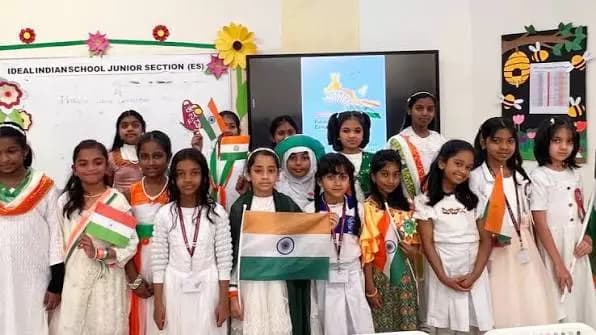
Forcing children to demonstrate patriotic fervor or love for their country often produces the opposite of the intended effect. Veteran educator Devi Kar argues that when students are compelled to participate in rituals of national pride, the experience often becomes mechanical and devoid of genuine emotion. Educationists have long understood that pushing young learners to perform specific acts of loyalty can easily alienate them from the very values they are meant to embrace.
The Pitfalls of Compulsory Patriotism
In various regions, including West Bengal, there have been initiatives to mandate the daily singing of national songs during school assemblies. While these songs are culturally significant, the forced daily recitation can lead to students rushing through lyrics simply to complete a ritual. Devi Kar highlights that while repetition is vital for learning subjects like mathematics or poetry, true patriotism is an intangible emotion that cannot be taught through sheer regimentation or mandatory drilling.
History provides cautionary tales, such as the use of the Horst Wessel Lied in schools under Adolf Hitler, where forced compliance fostered a sense of jingoism rather than a healthy, critical love for one's nation. Educators argue that schools should focus on fostering an organic connection to the country rather than demanding performative displays of nationalism.
Cultivating Active Citizenship
Instead of demanding displays of patriotic fervor, experts suggest that schools should shift their focus toward Citizenship Education. By teaching children to be active, informed, and critical citizens, institutions can help students understand their roles in society. This approach involves encouraging youth to weigh evidence before forming opinions, participating in democratic processes within the student council, and engaging in community service.
Practical initiatives, such as keeping school environments litter-free and maintaining pleasant spaces, can instill a sense of pride that translates into better civic habits in adulthood. As A.P.J. Abdul Kalam previously observed, the discrepancy between how Indians behave abroad versus at home highlights a need for genuine civic responsibility. Promoting a love for one's country, school, and nature should be an organic process that arises from understanding and respect, not from an imposed mandate. Ultimately, true patriotism involves loving one's nation unconditionally while remaining aware of its shortcomings and working collectively toward improvement.
,curated_key_highlights:[