Rahul Gandhi Urges Focus on Paper Leak Mafia Over Telegram Bans
Opposition leader Rahul Gandhi has condemned the government's decision to ban Telegram before the NEET-UG re-test, arguing it punishes students rather than addressing the paper leak mafia. The move, intended to curb cheating, has faced criticism for its lack of efficacy in securing the examination system.
Highlights
- •Rahul Gandhi criticized the Telegram ban as an ineffective measure against paper leak mafias.
- •The NTA implemented the temporary restriction to prevent malpractice in the upcoming NEET-UG re-test.
- •Telegram CEO Pavel Durov stated that banning the app penalizes ordinary users without stopping information leaks.
- •Opposition leaders highlighted the tragic impact of exam-related pressure on students like Umesh and Riya.
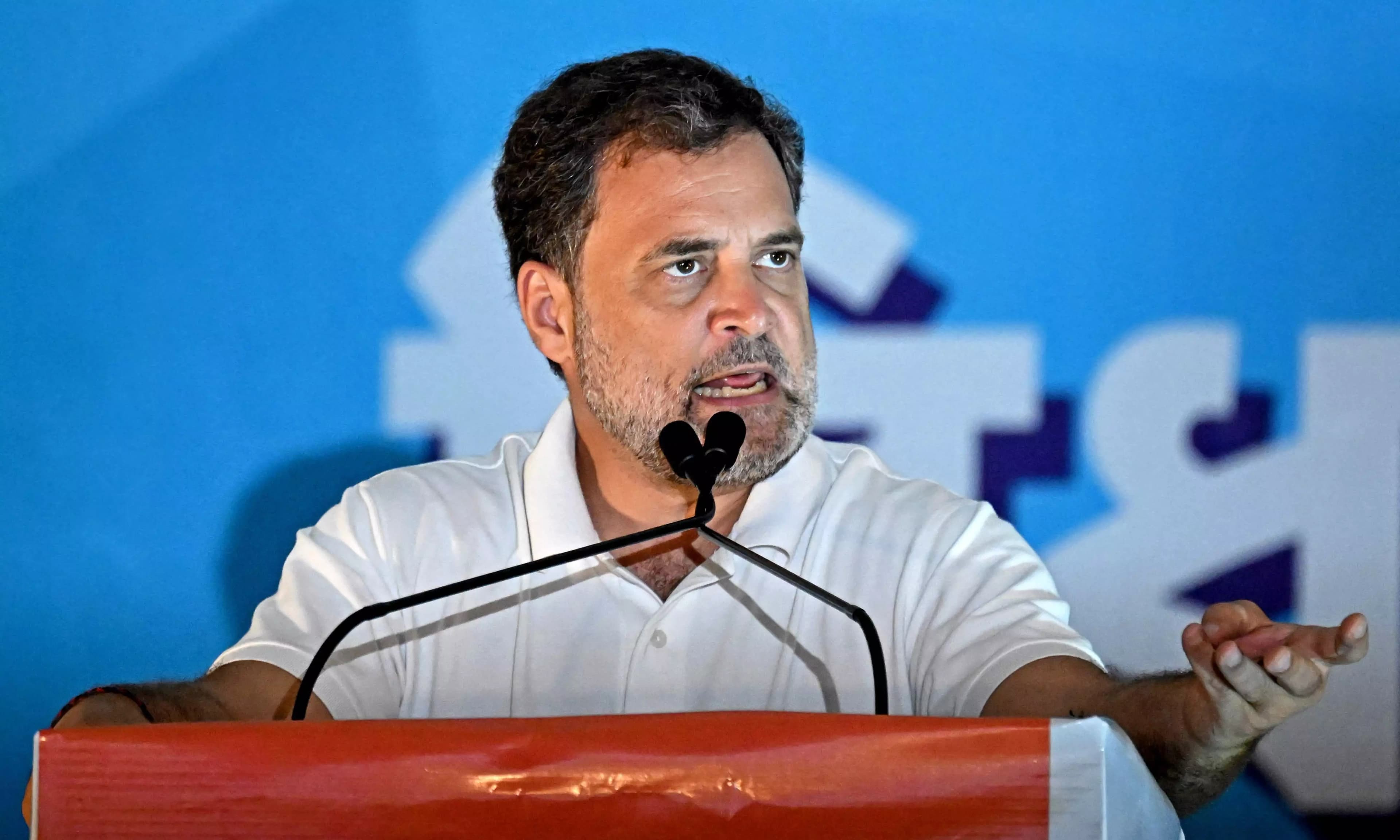
Congress leader Rahul Gandhi has strongly criticized the government’s recent decision to temporarily restrict access to the messaging platform Telegram ahead of the upcoming NEET-UG re-examination. Gandhi described the move as a superficial attempt to address deep-rooted systemic failures in the examination process, equating the ban to locking a victim’s door instead of apprehending the criminal responsible for the theft.
Government Action vs. Structural Reform
The government initiated the restriction on Telegram to curb potential cheating rackets and misinformation leading up to the June 21 re-test. Following government directives, Google delisted the application, and Apple’s App Store subsequently removed it, though the platform remains accessible to some users via Virtual Private Networks (VPNs). Abhishek Singh, Director General of the National Testing Agency (NTA), defended the temporary measure, stating that the agency is committed to ensuring the integrity of the examination process through all necessary actions until June 22.
However, Rahul Gandhi argued that these measures fail to address the core issue: the paper leak mafia that continues to operate with impunity. He emphasized that thousands of students rely on the platform for educational resources, including test series and preparation materials. By disrupting this access, the government is penalizing students rather than targeting the organizations responsible for leaking examination papers. Telegram CEO Pavel Durov also questioned the efficacy of the ban, suggesting that such restrictions punish millions of ordinary users without preventing the dissemination of leaked materials, as activities simply shift to other digital platforms.
Echoing Student Concerns
The political discourse surrounding the NEET-UG issue has intensified, with Priyanka Gandhi Vadra supporting the call for comprehensive systemic reforms rather than target-based crackdowns. Rahul Gandhi, while preparing for a visit to Kota, expressed deep concern over the tragic loss of students, specifically naming Umesh and Riya, who recently ended their lives due to immense pressure from a dysfunctional system. He laid significant blame on the Modi government and Education Minister Dharmendra Pradhan for failing to protect the futures of the youth.
The incident has sparked a wider conversation about the necessity of transparent examination systems. As the NEET-UG re-test approaches, the debate highlights the friction between immediate administrative interventions and the long-term need to dismantle the underlying criminal networks that threaten the integrity of competitive exams in India.