Andhra Pradesh Targets July Rollout for Talliki Vandanam Financial Aid Program
Andhra Pradesh plans to distribute financial assistance under the Talliki Vandanam scheme by the third week of July. Education Minister Nara Lokesh also reviewed critical academic initiatives, upcoming entrance exam schedules, and new institutional partnerships for the state.
Highlights
- •Financial aid for the Talliki Vandanam scheme is expected to be distributed by the third week of July.
- •Education Minister Nara Lokesh is streamlining exam schedules and planning to increase seat capacity in engineering colleges.
- •The state is exploring institutional partnerships with national and international universities to boost local higher education.
- •Approval for a new NCC state directorate will enhance military-oriented training and youth development opportunities in Andhra Pradesh.
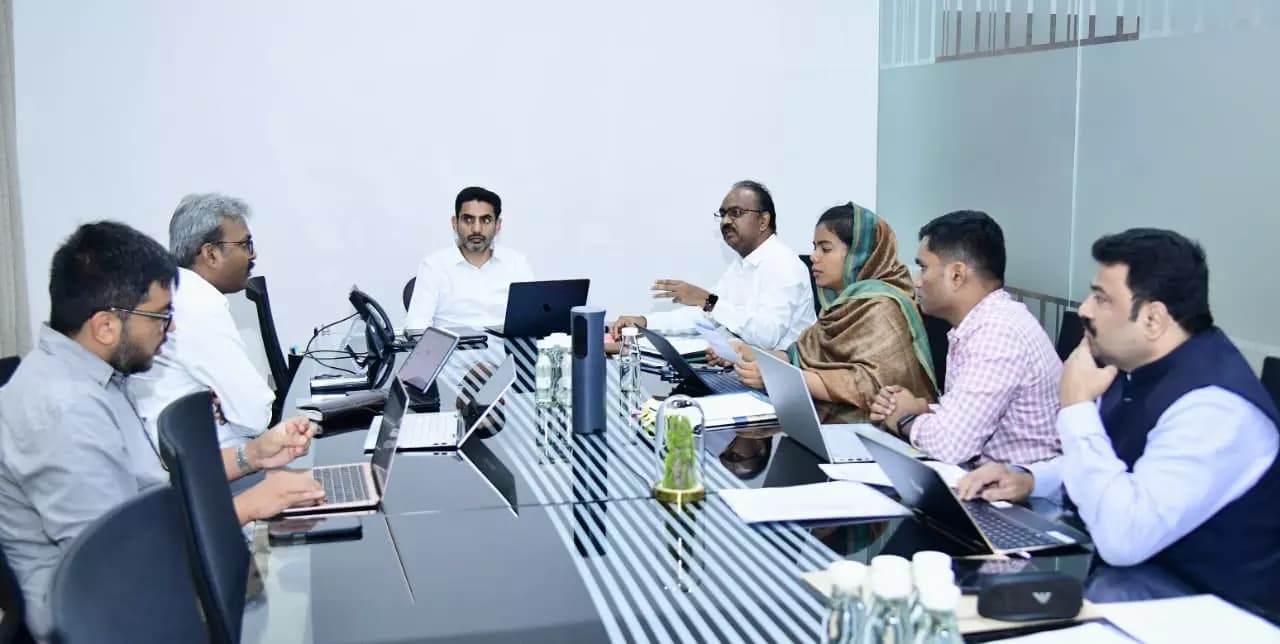
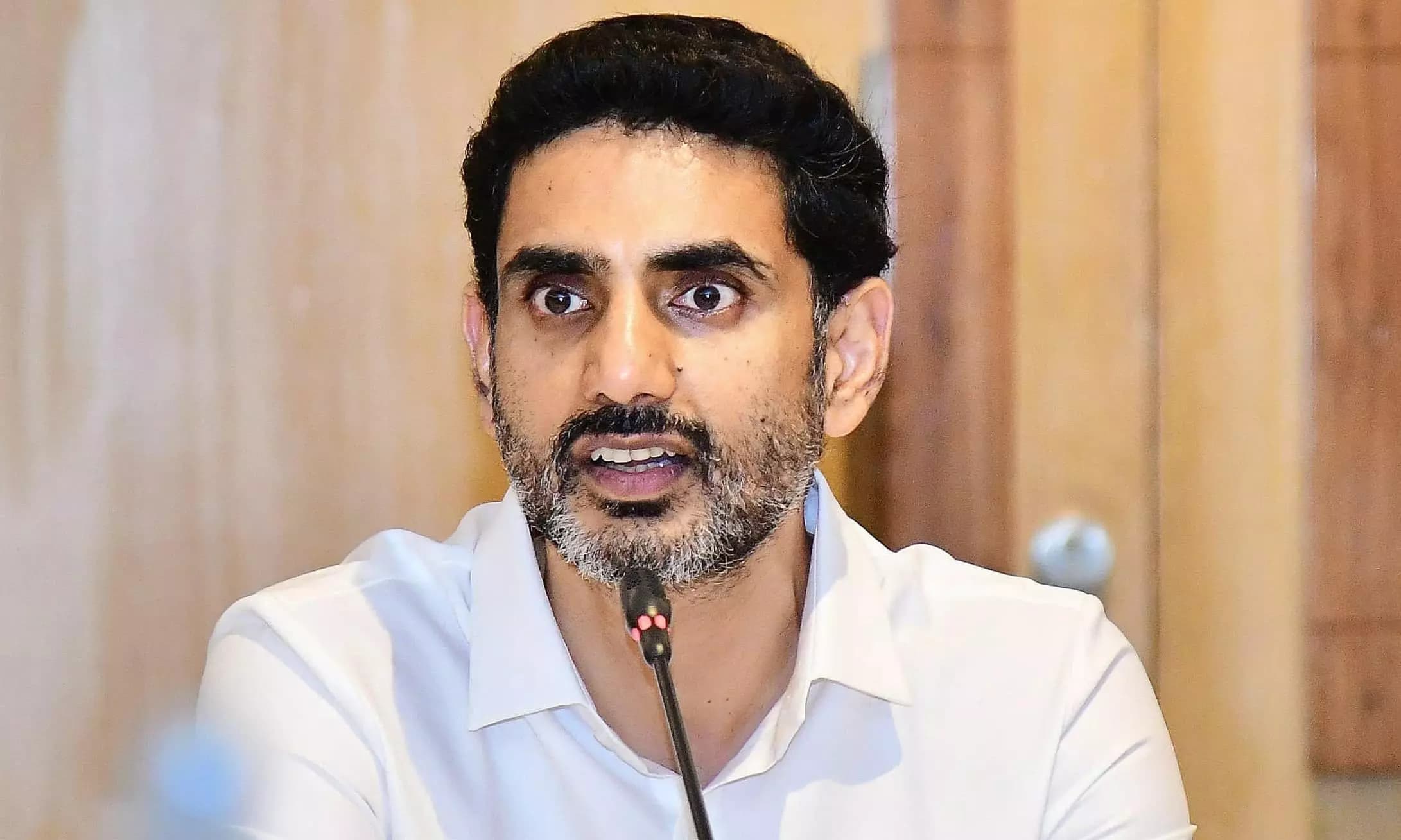
The Andhra Pradesh government is actively prioritizing the swift distribution of financial support under the Talliki Vandanam scheme, with plans to initiate the rollout during the third week of July. Education minister Nara Lokesh outlined these intentions during a recent review meeting held on Tuesday with senior officials from the school and higher education departments.
Advancing Education Initiatives and Administrative Planning
During the session, Nara Lokesh reviewed various state programs, including Badi Pilustondi, Shining Stars, and the Teacher Eligibility Test (TET). The minister urged departmental leadership to accelerate preparations for these schemes. A primary focus is the verification of Aadhaar details for mothers, which is identified as a critical prerequisite for the successful implementation of the Talliki Vandanam financial aid program.
Furthermore, the government is looking to bolster student enrollment rates in state-run schools. Plans are already set for the Shining Stars initiative to commence on June 29, with mega parent-teacher meetings scheduled for the third week of July. Additionally, the department is evaluating the rationalization of teaching staff to manage personnel distribution effectively across various institutions.
Higher Education and Institutional Development
In a separate discussion with higher education officials, Nara Lokesh emphasized the necessity of timely notifications for key examinations like AP EAPCET, POLYCET, and ICET. He directed that the academic calendar for these assessments must be synchronized with national-level entrance tests to minimize scheduling conflicts for students. The department is also exploring possibilities to expand seat capacity in government-run engineering and polytechnic colleges, noting a sustained high demand for Mechanical and Civil Engineering streams.
The state is also actively courting partnerships to enhance its academic ecosystem. Officials briefed the minister on ongoing dialogues with prominent entities such as the Thapar Institute of Engineering and Technology, the University of Melbourne, and Medhavi Skills University regarding the potential establishment of new campuses in Andhra Pradesh. Furthermore, the minister called for increased momentum on the development of the GMR-MANSAS Aviation University project.
Addressing the security and training infrastructure, the minister welcomed the central government's approval for an NCC state directorate in Andhra Pradesh. This strategic development is expected to improve NCC training programs and expand military-oriented opportunities for youth across the state. Several key officials were present at the review, including principal secretary Syamala Rao, school education director Tameem Ansariya, higher education commissioner Narayan Gupta, and Samagra Shiksha project director Srinivasa Rao.