Andhra Pradesh Leads Nation in PM SHRI Fund Utilisation and Infrastructure Development
Andhra Pradesh has emerged as the leading state in PM SHRI fund utilisation. Education Minister Nara Lokesh announced new infrastructure initiatives, including smart kitchens and improved residential facilities, while focusing on enhancing student academic outcomes across the region.
Highlights
- •Andhra Pradesh ranks first nationally in PM SHRI scheme fund utilisation.
- •Minister Nara Lokesh announced 844 new smart kitchens following the Kadapa model.
- •Over 53,000 bunk beds are to be installed across Kasturba Gandhi Balika Vidyalayas.
- •Government is launching bridge-courses to help students improve in weak subjects.
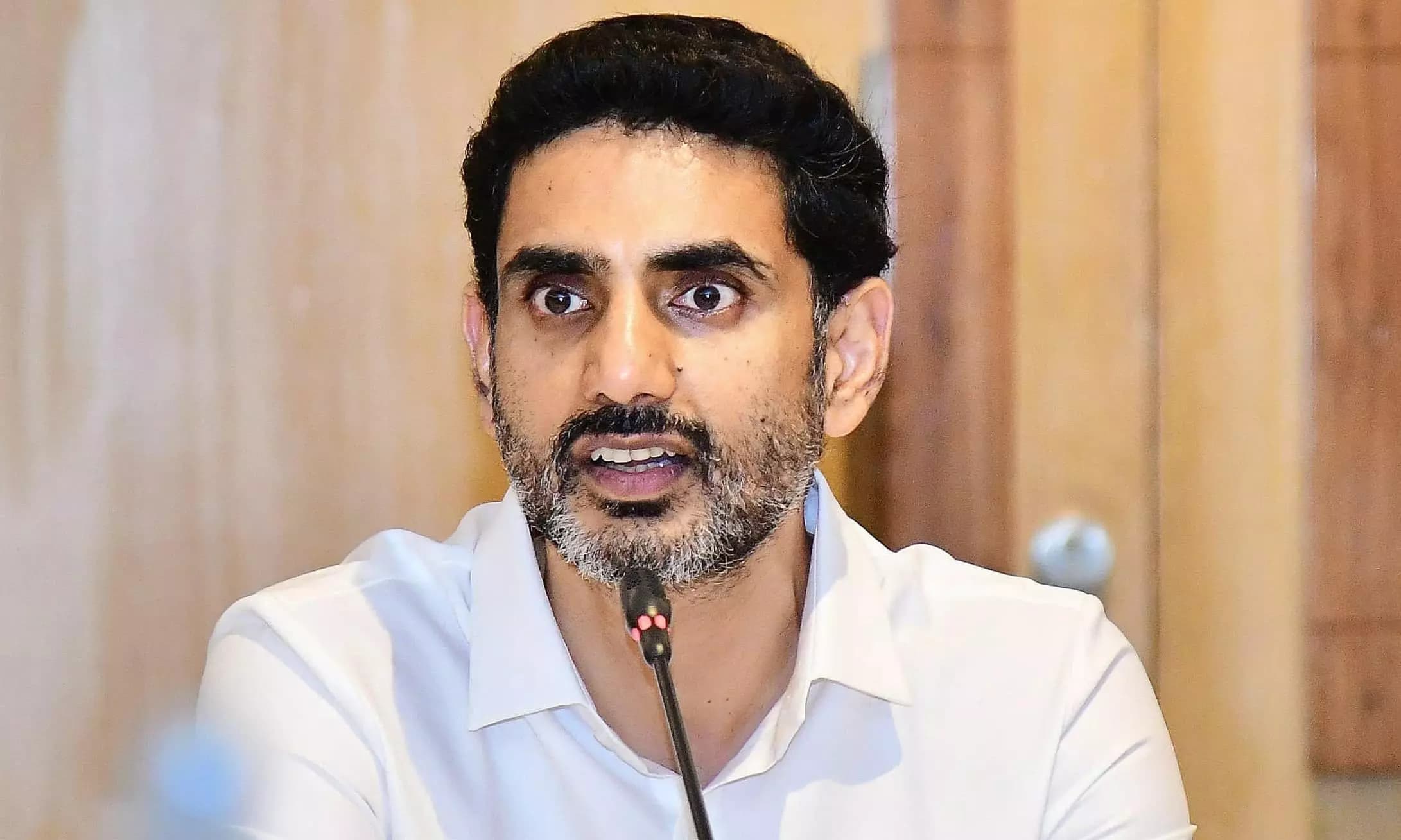
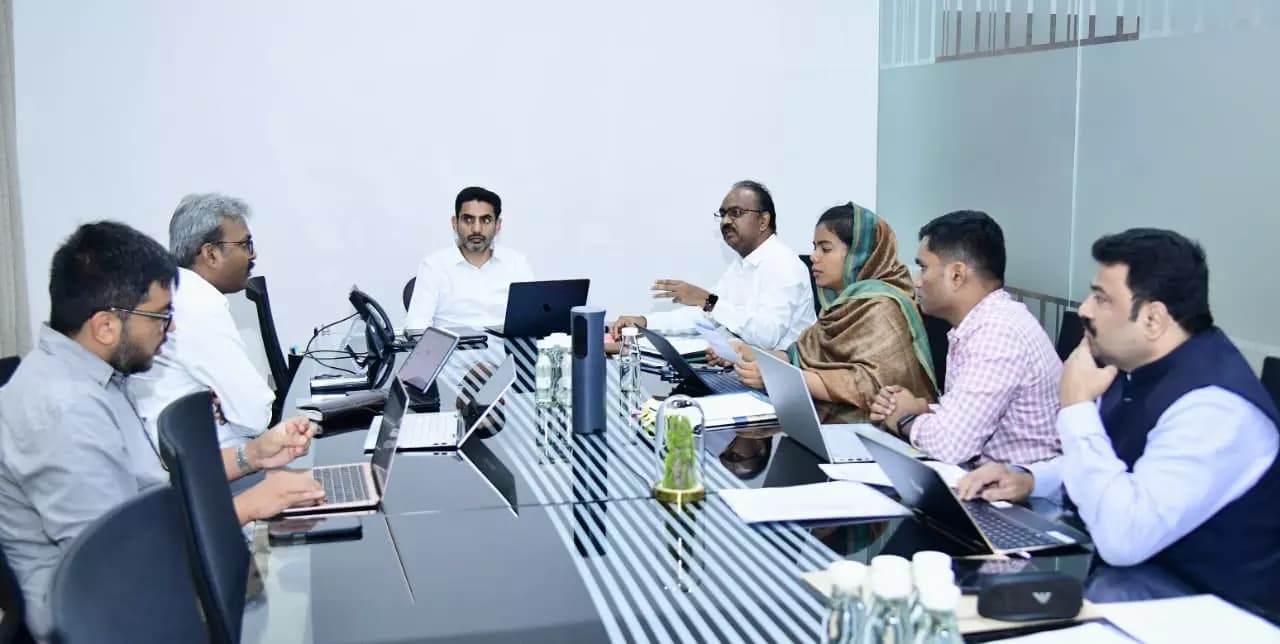
Andhra Pradesh has officially secured the top position nationwide regarding the effective implementation and PM SHRI fund utilisation. This central government initiative is specifically designed to modernize educational infrastructure across government schools. State Education Minister Nara Lokesh confirmed this achievement during a performance review meeting held at his Undavalli residence, where he commended the department officials for their diligent efforts in reaching this milestone.
Expanding Educational Infrastructure and Student Welfare
Following the recognition of the state's success in PM SHRI fund utilisation, Minister Nara Lokesh outlined several future objectives aimed at enhancing the learning environment. He directed education officials to prioritize the construction of 844 smart kitchens across the state, adopting the successful Kadapa model. Furthermore, the administration is pushing for the rapid distribution of Sarvepalli Radhakrishnan Vidyarthi Mitra Kits to ensure students are well-equipped ahead of the scheduled Mega Parent-Teacher Meeting.
Significant focus is being placed on the welfare of students in residential institutions. Minister Nara Lokesh has sanctioned the installation of 53,180 bunk beds across 430 Kasturba Gandhi Balika Vidyalayas (KGBVs). This initiative is expected to directly improve the living conditions for over 106,360 girl students, with plans to extend similar facility upgrades to AP Residential Schools and Colleges in the near future.
The state government is also strengthening support for vulnerable groups, specifically ensuring that orphaned children are fully supported through the “Talliki Vandanam” scheme. Officials have been instructed to develop a robust mechanism for distributing financial aid, bypassing bureaucratic hurdles by directly engaging with district collectors or establishing permanent accounts for the children to access funds independently once they complete their schooling.
Enhancing Academic Standards and Transparency
Addressing concerns regarding academic performance, the minister emphasized that student competencies and school attendance must remain a primary focus. Regions identified as educationally lagging, such as Kurnool, Anantapur, Markapuram, Alluri Sitarama Raju, and Polavaram, are slated for district-specific action plans. These strategies will be tailored based on teacher availability and current student outcomes to ensure attendance levels do not drop below the targeted 95 percent threshold.
In a move to improve operational transparency, Nara Lokesh instructed that private unaided schools should display their approved fee structures clearly on their premises. Additionally, the minister pushed for the digitization of academic resources, requesting the Telugu Academy to make all textbooks accessible through major e-commerce platforms. To address subject-specific difficulties, the government is also launching bridge-course materials to assist students struggling with Mathematics, Science, and Telugu, alongside plans to expedite the installation of modern computer laboratories equipped with Chromebooks in high schools.