US Roadless Rule Rollback Threatens Wildlife, Water and Quiet Wilderness Areas
The US Roadless Rule, which protects 58 million acres of national forest from development, is under threat from proposed rollbacks. Experts warn that dismantling these protections could lead to irreversible ecological damage, including habitat fragmentation, threats to wildlife, and compromised water quality for millions of Americans.

Highlights
- •The 2001 US Roadless Rule currently protects approximately 58 million acres of national forest land from road construction and commercial logging.
- •Proposed rollbacks by the administration and potential legislative amendments threaten to dismantle these long-standing environmental protections.
- •Roads are linked to negative ecological impacts, including habitat fragmentation, soil erosion, and the displacement of wildlife due to noise and activity.
- •Roadless areas are critical for watershed health, providing essential clean water supplies to millions of citizens across the United States.
The US Roadless Rule, a long-standing environmental protection policy, faces significant risks as new proposals seek to dismantle these safeguards. By prohibiting road construction and commercial logging across millions of acres of national forests, the policy has served as a vital shield for wilderness preservation in the United States. Currently, critics argue that the regulation hinders economic expansion, leading to administrative attempts to roll back these protections.
The Importance of the Roadless Rule in America
Established in 2001 under the administration of President Bill Clinton, the Roadless Rule was designed to preserve the ecological integrity of 58 million acres within the National Forest System. This policy remains one of the most widely supported environmental measures in history, having garnered more public comments than nearly any other federal regulation. By preventing the construction of new roads and limiting commercial timber harvesting, the rule maintains the health of forests and protects crucial watersheds that supply water to 47 million Americans.
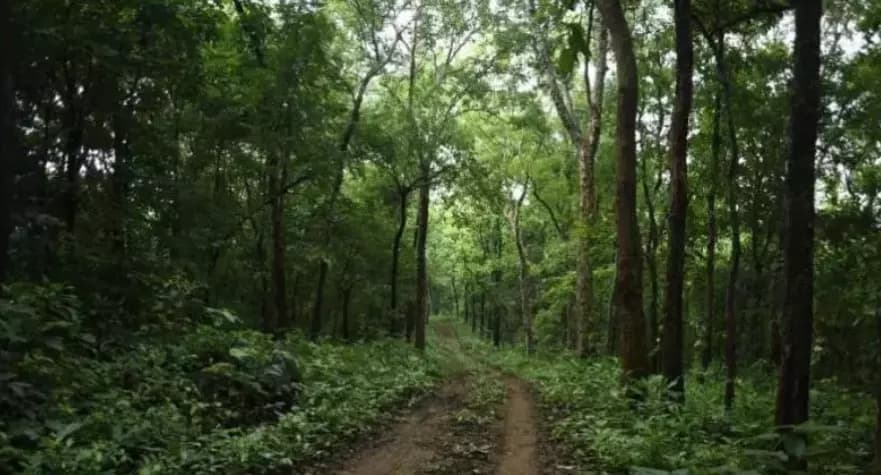
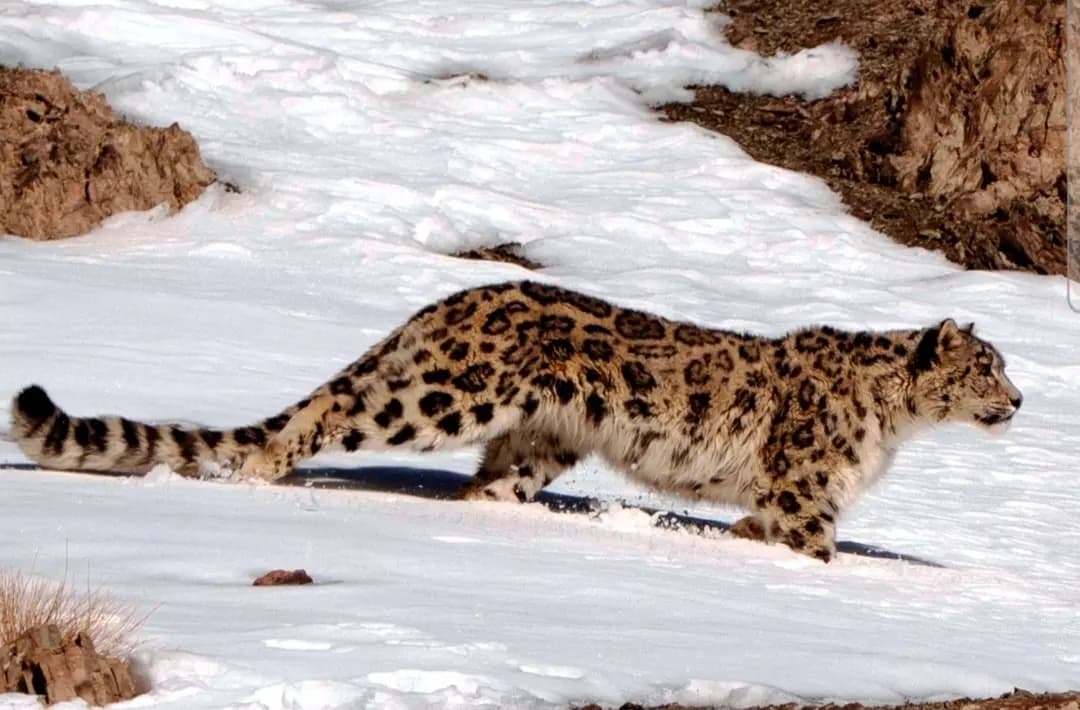
The expansion of road networks poses a severe threat to pristine habitats. Roads often contribute to soil erosion, facilitate the spread of invasive plant species, and fragment vital wildlife corridors. Furthermore, studies indicate that road noise and the proximity of vehicle traffic can cause significant stress to native fauna and disturb natural behavioral patterns. In areas like the Tongass National Forest in Alaska, these developments could have irreversible consequences for diverse species, including bears, eagles, and salmon populations that rely on undisturbed old-growth coastal forests.
Threats to Conservation and Watershed Stability
New legislative efforts, including potential amendments to the Wildfire Prevention Act, aim to invalidate the Roadless Rule and prevent the U.S. Forest Service from re-implementing similar protections in the future. Experts warn that removing these barriers would open previously inaccessible wild landscapes to industrial development. Beyond the physical damage to landscapes, such as habitat fragmentation and the increased likelihood of human-started fires, the rollback could compromise the long-term sustainability of water resources.
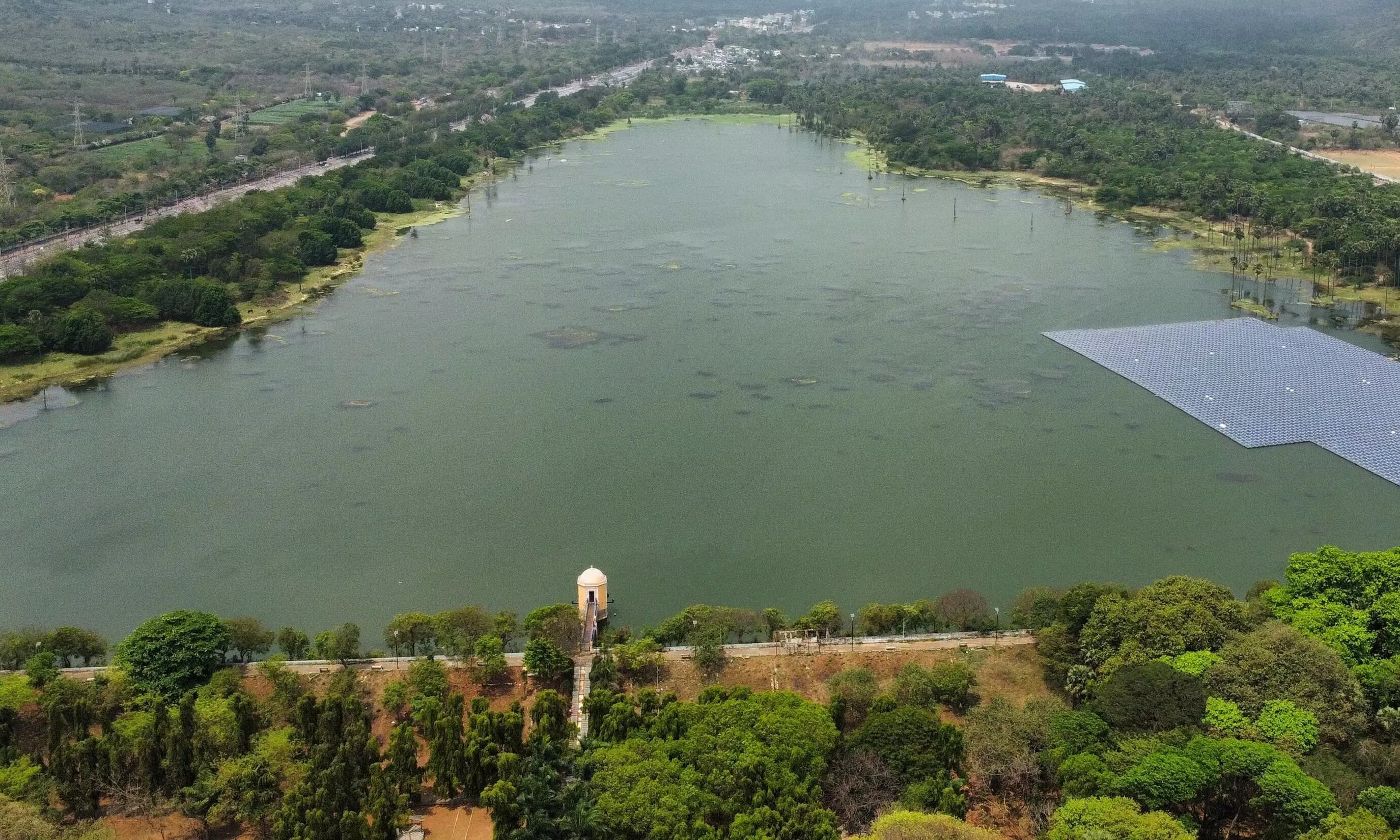
The U.S. Forest Service utilizes road density as a primary metric for assessing watershed quality. By keeping these areas roadless, the policy ensures that stream flows remain unobstructed and sediment levels remain low, which ultimately helps keep water purification costs manageable. As pressure mounts to exploit these last quiet places for commercial interests, the debate highlights a fundamental conflict between industrial growth and the preservation of natural environmental health. Protecting these regions is essential for maintaining the biodiversity and ecological balance that future generations will depend on for recreation, clean water, and the quiet enjoyment of natural habitats across the nation.