Forum For Good Governance Urges CM to Prioritise Godavari Cleanup Over Pushkaralu Spending
The Forum for Good Governance has urged the Telangana Chief Minister to prioritize essential cleanup of the polluted Godavari river over heavy spending for the upcoming Pushkaralu festival, citing critical environmental degradation across several industrial and residential stretches.
Highlights
- •The Forum for Good Governance requested the CM to prioritize Godavari river cleanup over Pushkaralu festival spending.
- •Industrial pollution from coal mines, thermal plants, and untreated municipal waste is severely degrading the river's water quality.
- •Scientific bodies including NEERI and IIT Hyderabad have flagged the river's deteriorating health and reduced flow.
- •The FGG suggests limiting official festival involvement to essential services and reallocating funds to environmental restoration.
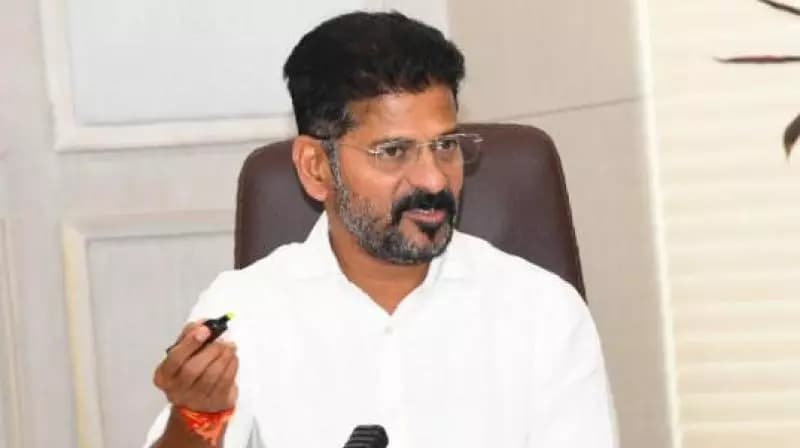
The Forum for Good Governance (FGG) has officially called upon Chief Minister A. Revanth Reddy to prioritize urgent environmental restoration efforts for the Godavari river over planned expenditures for the upcoming Pushkaralu festival. The organization emphasizes that addressing the river's severe pollution levels is a more pressing necessity than allocating significant state funds toward event-related spending.
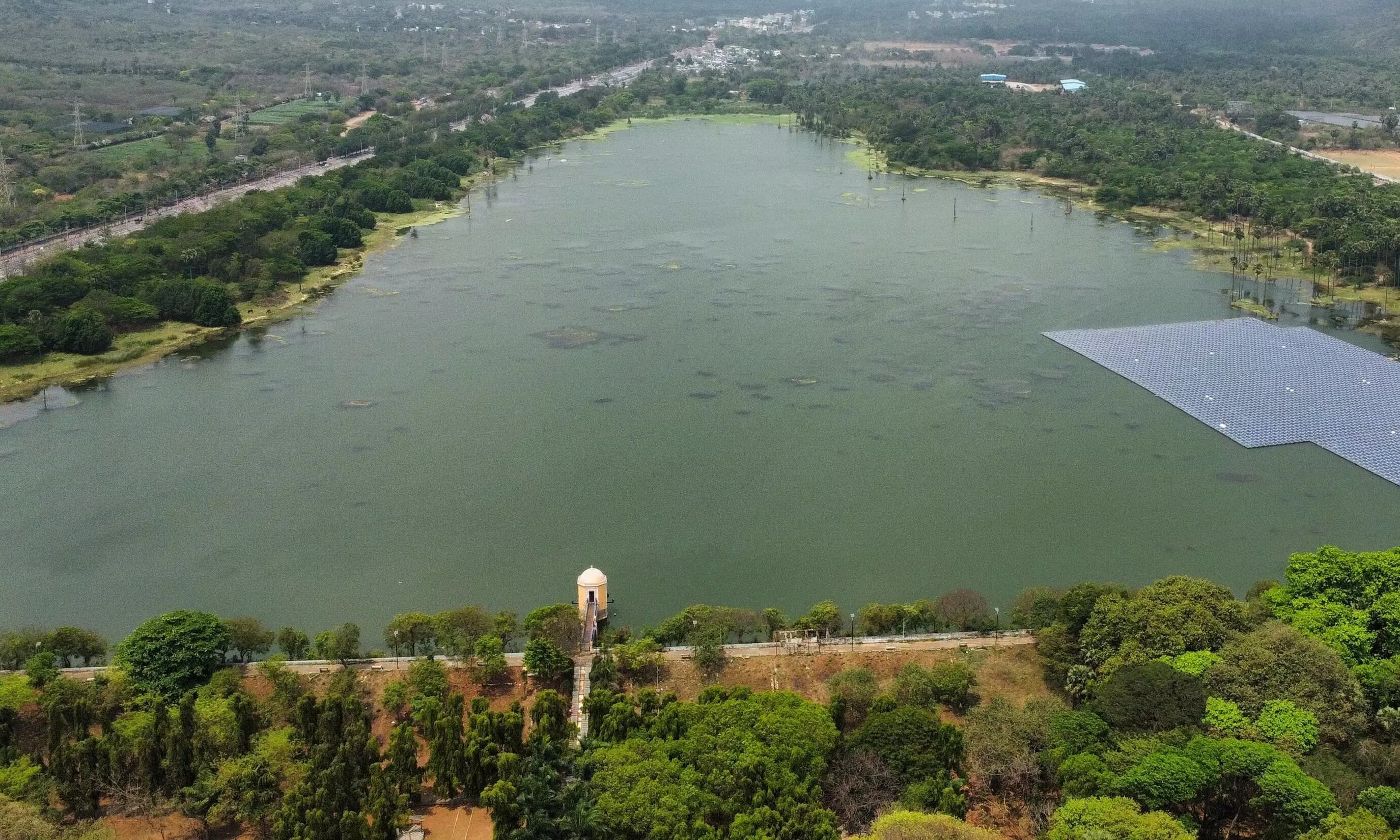
In a formal communication directed to the state leadership, M. Padmanabha Reddy, the president of the forum, highlighted several critical factors contributing to the degradation of the waterway. Among the primary concerns are the discharge of untreated industrial waste in the Ramagundam–Mancherial industrial corridor, the dumping of coal ash from thermal power plants, and chemical leachate leaking from municipal landfills located along the riverbanks. Observations downstream near the Bhadrachalam temple reveal that the water has turned dark and emits a strong, foul odor, signaling an ecological crisis.
Urgent Need for Godavari River Cleanup
The Forum for Good Governance relies on comprehensive reports from prestigious national institutions, including the Central Water Commission, the Central Pollution Control Board, the National Environmental Engineering Research Institute (NEERI), and IIT Hyderabad, to underscore the severity of the situation. These assessments point to a significant reduction in natural water flow, particularly following the construction of multiple barrages in Maharashtra. In previous years, stretches of the river near Basar have faced the risk of running dry during the summer months of April and May, forcing authorities to release water from the Kadam Project solely to facilitate the Pushkaralu festival rituals.
The advocate group argues that the government must adopt a more sustainable approach to resource management. They suggest that the administration's involvement during the Pushkaralu event, scheduled for July of next year, should be strictly limited to essential services such as law and order maintenance and the provision of medical support. By redirecting the financial resources currently earmarked for festival decorations and preparations, the state could implement meaningful, long-term pollution control measures. The forum contends that protecting the Godavari river basin is vital for public health and regional ecological stability, requiring immediate and decisive policy intervention.