Ladakh Establishes SHAN Society to Protect Snow Leopards and Mountain Ecosystems
Ladakh has established the Snow Leopard and High-Altitude Nature Conservation Society (SHAN) to protect its fragile mountain ecosystems. Led by the Lieutenant Governor, the society integrates scientific monitoring, community involvement, and sustainable tourism to safeguard the region's wildlife and natural heritage.
Highlights
- •The newly formed SHAN society will lead conservation efforts for snow leopards and high-altitude habitats in Ladakh.
- •The society integrates scientific monitoring with community-led stewardship to protect fragile mountain ecosystems and local biodiversity.
- •The governing body includes key officials from the UT administration, hill development councils, and national conservation experts.
- •SHAN aims to promote sustainable eco-tourism and livelihoods while mitigating human-wildlife conflict in the Trans-Himalayan region.
The Union Territory of Ladakh has taken a significant step toward safeguarding its unique biodiversity by establishing the Snow Leopard and High-Altitude Nature Conservation Society, formally referred to as SHAN. This institutional move aims to bolster regional environmental protection efforts across the territory’s fragile, high-altitude landscapes.
Strengthening Conservation for Ladakh's Fragile Ecosystems
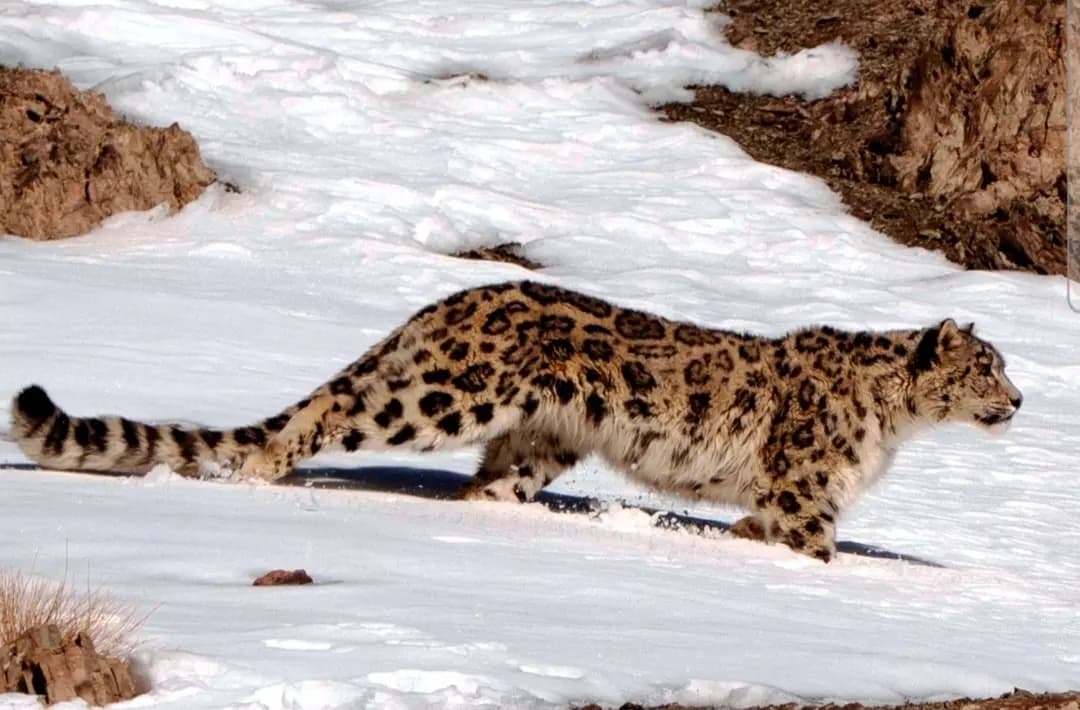
According to administration officials in Leh, this newly formed society will serve as a dedicated framework for managing wildlife and promoting biodiversity conservation. By fostering community participation, the initiative seeks to protect Ladakh's cold desert environment, which is highly vulnerable to ecological shifts. The primary focus of the organization is the preservation of the snow leopard, an iconic species that serves as a crucial indicator of the health of the entire Trans-Himalayan ecosystem.
In addition to monitoring snow leopard populations, the society will prioritize the protection of co-existing alpine flora, vital wetlands, and other sensitive habitats. The framework is designed to integrate scientific research and monitoring with active community stewardship, aiming to address human-wildlife conflicts while fostering sustainable livelihood opportunities for local residents.
A Collaborative Approach to Environmental Stewardship
The SHAN initiative functions as a multi-stakeholder platform, drawing expertise and input from government departments, conservation specialists, community leaders, and civil society representatives. By combining science-based conservation strategies with responsible eco-tourism, the administration hopes to ensure that developmental growth in the region does not compromise ecological integrity. Ladakh Lieutenant Governor Vinai Kumar Saxena, who will chair the society, emphasized that the conservation of the snow leopard is inseparable from the preservation of Ladakh’s ecological identity.
The governing body of the society includes high-level representation, such as the Chief Secretary, the Member of Parliament from Ladakh, and the Chief Executive Councillors of the Ladakh Autonomous Hill Development Councils in both Leh and Kargil. Furthermore, the Principal Secretary of the Department of Forest, Ecology and Environment is involved to oversee administrative alignment.
Expertise from diverse fields is brought into the organization through members such as Ven. Palga Rinpoche of Naljorling Monastery, Dr. Sejal Worah from WWF India, Sandesh Kadur from the National Geographic Society, the President of the Women’s Alliance of Ladakh, and Ghulam Mohammad Khan of the Ladakh Centre for Peace and Sustainable Development. This comprehensive approach reflects a commitment to balancing environmental goals with the practical needs of local communities.