The Rapid Evolution of Electric Vehicles in the Global Automotive Industry
The global automotive sector is rapidly shifting toward Electric Vehicles, fueled by technological breakthroughs, supportive government policies, and changing consumer behavior. This transition is set to reshape urban mobility and lower carbon emissions as the industry approaches a future defined by sustainable transportation solutions.

Highlights
- •Electric Vehicles are undergoing rapid transformation driven by sustainability and technological innovation.
- •Government incentives and infrastructure investments remain essential for mass-market adoption of green mobility.
- •Advancements in battery technology are reducing costs and improving overall vehicle efficiency.
- •Industry experts anticipate cost parity between electric and internal combustion engine models within a decade.
The global automotive industry is witnessing a significant transformation as major manufacturers accelerate their commitment to Electric Vehicles. This shift is driven by a combination of stringent environmental regulations, rapid technological advancements, and a growing consumer preference for sustainable transport solutions. As legacy automakers and innovative startups compete for market share, the transition to green mobility has moved from a niche market segment to a central pillar of corporate strategy.
The Evolution of Electric Vehicles
Modern Electric Vehicles are no longer defined solely by their battery range or charging speed. Manufacturers are increasingly integrating sophisticated software ecosystems, autonomous driving features, and sustainable interior materials to attract a broader demographic. This evolution is crucial for normalizing Electric Vehicles in the eyes of the average consumer, bridging the gap between early adopters and the mass market. Furthermore, improvements in battery chemistry are reducing costs and enhancing safety, which are critical factors for widespread adoption.
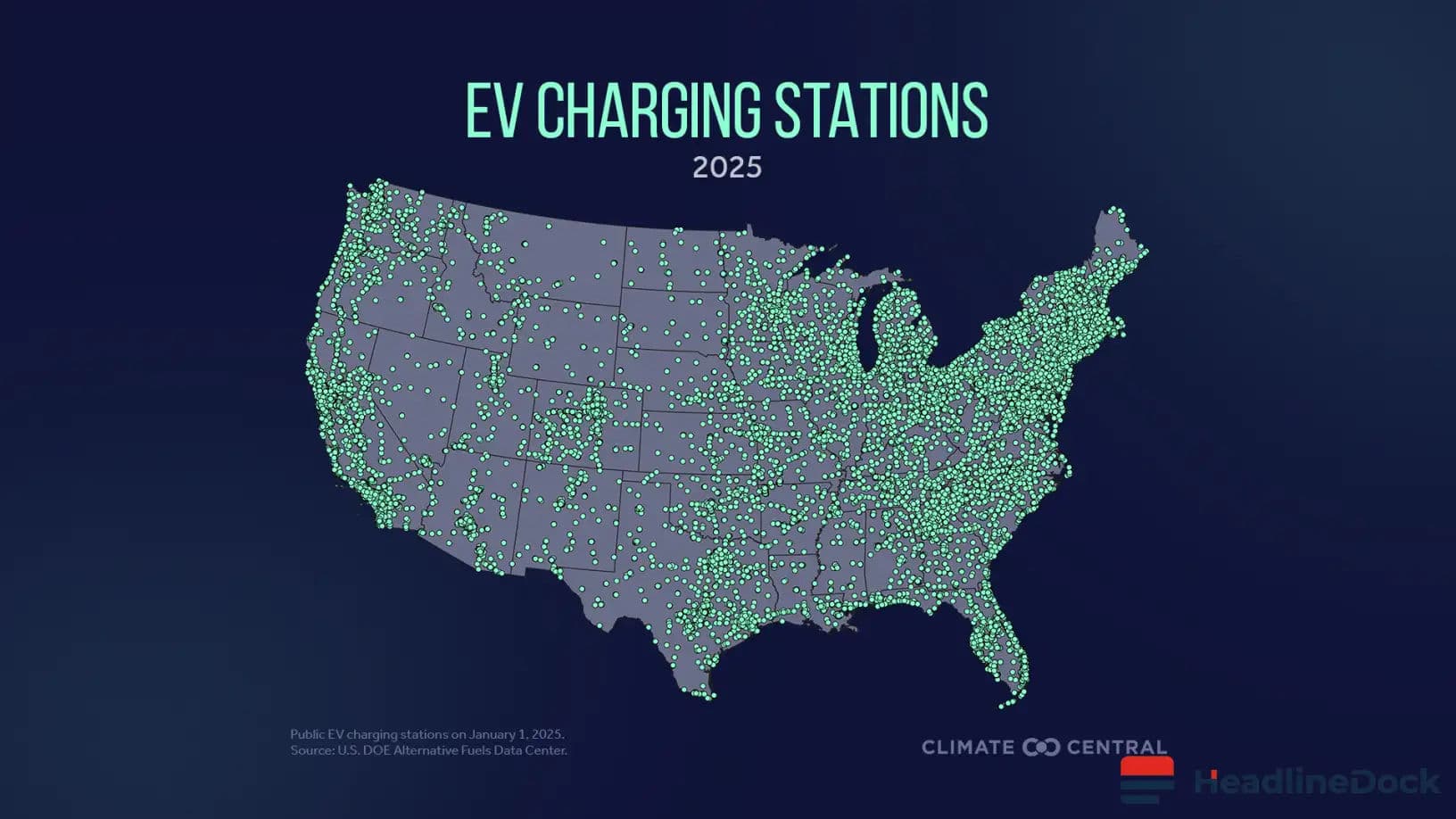
Governments across various regions are playing a pivotal role in this transition by offering incentives, subsidies, and infrastructure investments. These initiatives are essential for overcoming the initial barrier of high acquisition costs associated with battery-powered cars. From the development of extensive public charging networks to tax benefits for green vehicle buyers, public policy continues to act as a significant catalyst for the shift toward cleaner transport options.
Future Market Outlook
Industry analysts project that the integration of Electric Vehicles will continue to gain momentum over the next decade. As the supply chain matures and lithium-ion battery production becomes more efficient, the cost-competitiveness of these vehicles is expected to reach parity with traditional internal combustion engine models. This milestone will likely trigger a massive surge in demand, effectively reshaping the landscape of urban mobility and reducing overall carbon footprints across the transportation sector.
Despite the optimism surrounding this transition, challenges remain, particularly regarding raw material procurement and the recycling of used batteries. Addressing these sustainability concerns is imperative to ensure that the shift to electric power provides genuine long-term environmental benefits. As automakers navigate these complexities, the push for electrification remains the definitive trend guiding the future of global automotive manufacturing and consumer transportation habits.