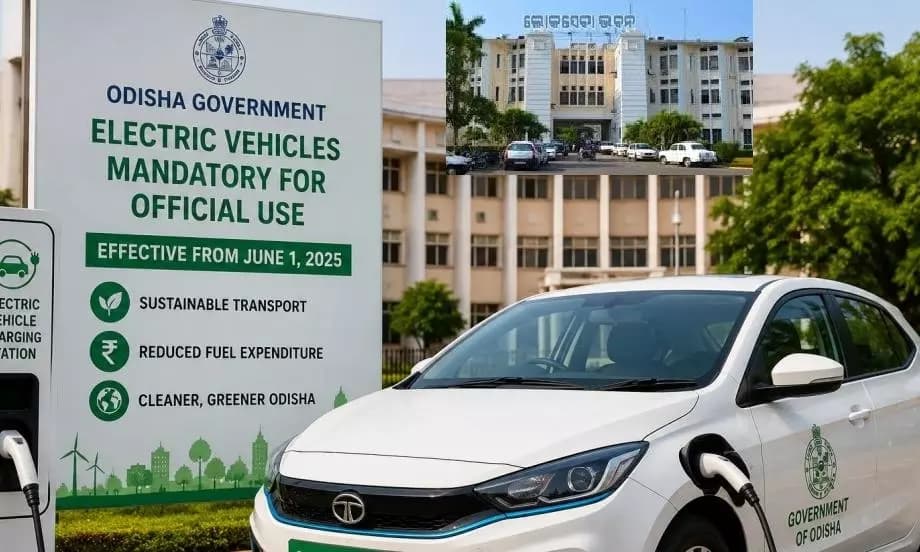
The Future of Electric Vehicles: Scaling EV Technology for a Greener World
The global automotive industry is rapidly evolving toward electric mobility. With improvements in battery technology and increased government support, Electric Vehicles are becoming more accessible, though addressing charging infrastructure challenges remains essential for widespread adoption and a sustainable future.

Highlights
- •Electric Vehicles are central to achieving global sustainability and climate change mitigation goals.
- •Technological advancements in battery life are significantly reducing ownership costs for consumers.
- •Expanding charging infrastructure remains a critical challenge to overcoming consumer range anxiety.
- •Future developments like solid-state batteries will likely enhance EV efficiency and performance.
The global automotive landscape is currently witnessing a transformative shift toward sustainable mobility, with Electric Vehicles (EVs) leading the charge. As nations strive to meet ambitious climate goals, the rapid adoption of EV technology has become a cornerstone of modern transportation policy. This transition is not merely about replacing internal combustion engines; it represents a comprehensive overhaul of how societies approach energy consumption and urban infrastructure.
The integration of Electric Vehicles into the mainstream market is being driven by significant advancements in battery efficiency and the expansion of charging networks. Industry experts note that the plummeting costs of lithium-ion cells have made owning an electric car more accessible to the average consumer. Furthermore, governments worldwide are offering various incentives, including tax credits and subsidies, to encourage this green migration. These efforts are essential to mitigating the environmental impact of traditional fossil-fuel-powered transport.
Infrastructure Challenges and Future Outlook
Despite the optimistic momentum, the widespread implementation of EV technology faces persistent hurdles. The most prominent concern is the current state of public charging infrastructure. In many urban and rural areas, the scarcity of fast-charging stations continues to be a bottleneck for potential buyers. Addressing this "range anxiety" requires substantial investment from both public and private sectors to build a robust, user-friendly grid that can support a large-scale shift to electric mobility.
Looking ahead, the next phase of the automotive revolution will likely involve the development of solid-state battery technology and smart grid integration. These innovations promise to further reduce charging times and enhance the overall efficiency of Electric Vehicles. Additionally, the focus is expanding toward sustainable manufacturing processes, ensuring that the lifecycle of an electric car is as environmentally friendly as its operation on the road. As these technologies mature, EV technology will play an increasingly pivotal role in creating cleaner, more efficient cities globally.
Ultimately, the success of the transition to electric transportation depends on collaborative efforts between policy makers, automotive manufacturers, and infrastructure developers. By fostering an environment that promotes continuous innovation and supports consumer adoption, the global automotive sector can successfully navigate the complexities of this transition, ensuring a greener future for generations to come. The momentum is undeniable, and the path toward total electrification remains the industry's most significant trajectory.