The Rapid Evolution of Electric Vehicles and the Future of Sustainable Mobility
The electric vehicle industry is rapidly evolving through significant technological advancements and infrastructure improvements. As manufacturers prioritize sustainable production and battery efficiency, the transition to green mobility is reshaping global transportation standards and paving the way for widespread, eco-friendly consumer adoption.

Highlights
- •The electric vehicle sector is seeing rapid growth driven by environmental mandates and technological advancements.
- •Key improvements in battery life and infrastructure are essential for enhancing the consumer ownership experience.
- •Industry leaders are prioritizing sustainable manufacturing and lifecycle management to reduce overall environmental impact.
- •Global collaboration between governments and private players is accelerating the rollout of essential charging networks.
The landscape of Electric Vehicles (EVs) is undergoing a transformative shift as manufacturers increasingly focus on sustainable mobility solutions. With global environmental concerns driving policy changes, the automotive industry is witnessing a significant surge in the production and adoption of eco-friendly transport. This transition is not only reshaping consumer preferences but also influencing how major automotive manufacturers invest in long-term technology and infrastructure.
Advancements in battery technology and charging networks are playing a pivotal role in this evolution. As EV news continues to dominate headlines, companies are striving to improve range, performance, and charging efficiency. These innovations are critical in addressing range anxiety, which has historically been a barrier for potential buyers looking to switch from internal combustion engines to cleaner, electric alternatives.
The Future of Sustainable Mobility
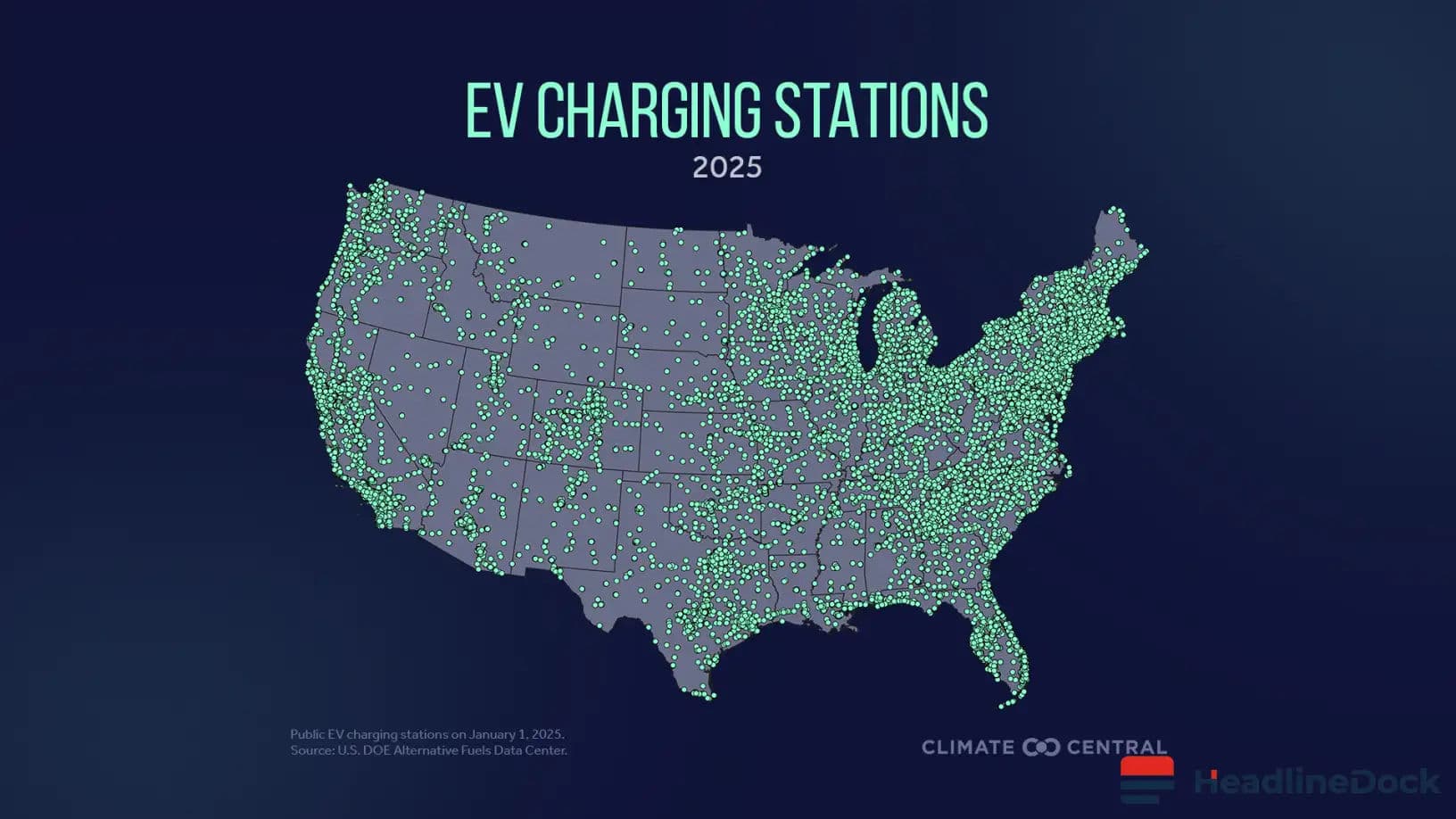
Beyond vehicle production, the broader ecosystem is adapting to support the widespread usage of these machines. Governments and private entities are collaborating on Infrastructure Projects, such as high-speed charging stations and green energy integration. This infrastructure is essential for creating a reliable and convenient environment for owners. The integration of smart technology in electric mobility further enhances the user experience, offering real-time data on battery health and station availability.
Market dynamics are also shifting, with several regions implementing stricter emission standards, effectively pushing the industry toward a cleaner future. The rise of these vehicles is not merely a trend; it represents a fundamental change in how society approaches transportation. As prices for battery components decrease, these vehicles are becoming more accessible, paving the way for mass-market adoption globally.
Furthermore, the focus on sustainable manufacturing processes is becoming a benchmark for success. Leading companies are now prioritizing the lifecycle of their products, from raw material sourcing to battery recycling programs. By emphasizing circularity, the industry is working to minimize the environmental footprint associated with producing high-performance electric cars and bikes. This holistic approach is essential for ensuring that the transition to green mobility is truly beneficial for the planet in the long run.
As we move forward, the collaboration between policy makers, technology providers, and consumers will remain the cornerstone of this ongoing evolution. The continuous flow of EV news underscores a commitment to innovation and progress. With significant improvements in hardware and a growing network of support, the future of transportation looks brighter, quieter, and significantly more sustainable than ever before.