Telegram Petitions Delhi High Court Against Temporary Ban Ahead Of NEET-UG Re-exam
Telegram has challenged a government-ordered temporary ban in the Delhi High Court. The restriction, requested by the National Testing Agency, aims to prevent exam fraud ahead of the NEET-UG 2026 re-test. The court is now reviewing the proportionality and legality of the move.

Highlights
- •Telegram has filed a plea in the Delhi High Court against its temporary blockage in India.
- •The government restricted the app following NTA concerns over cheating rackets regarding NEET-UG 2026.
- •Telegram founder Pavel Durov claims the move unfairly impacts millions of legitimate users.
- •The NTA states the ban is a temporary measure to ensure the security of the upcoming re-exam.
The popular instant messaging application Telegram has formally moved the Delhi High Court to challenge a government-imposed temporary block on its services across India. This legal action follows the Central government's directive to restrict the platform's accessibility until June 22, citing concerns related to the upcoming NEET-UG 2026 re-examination.
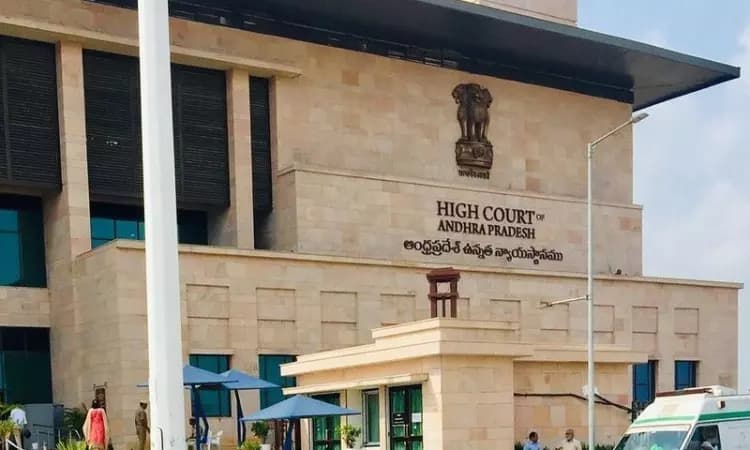
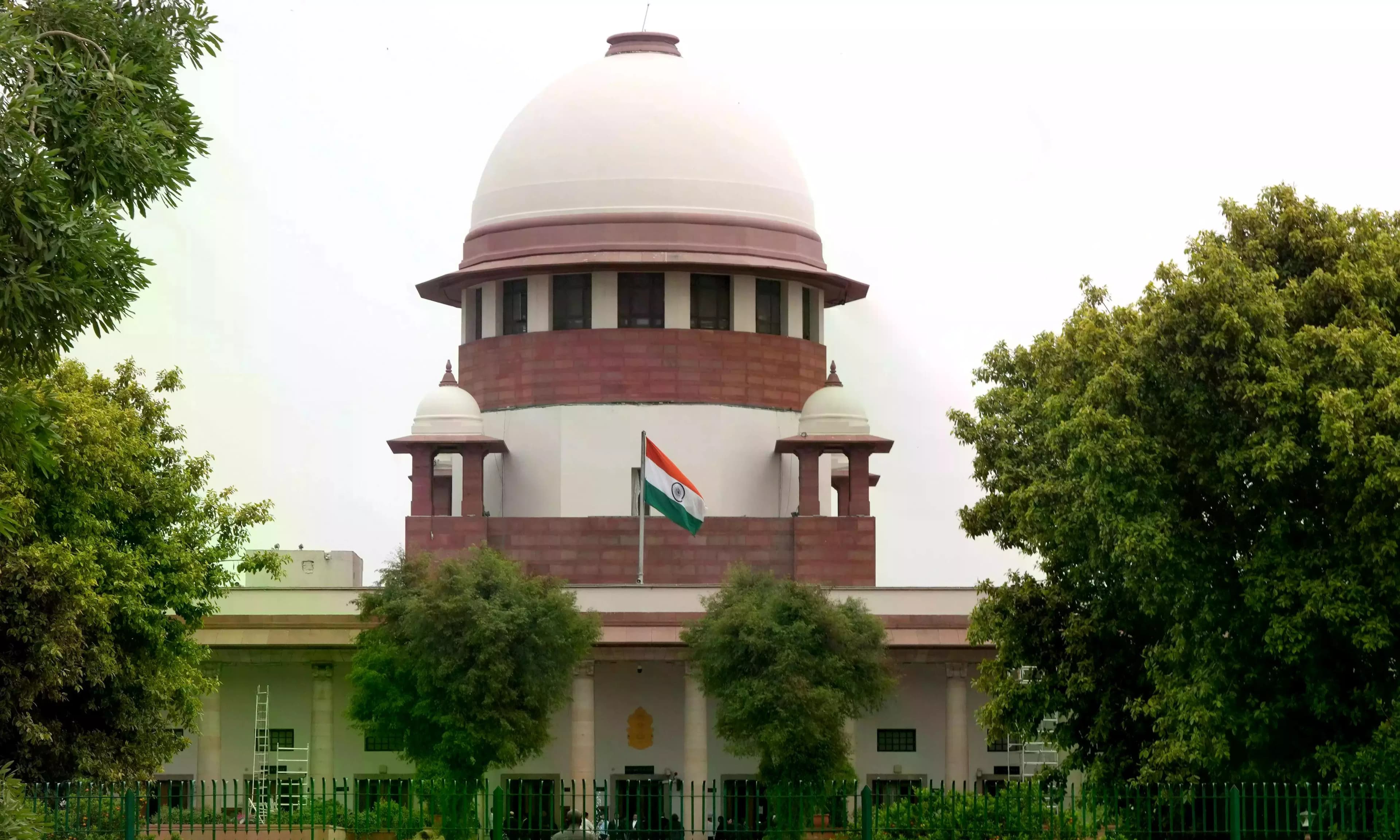
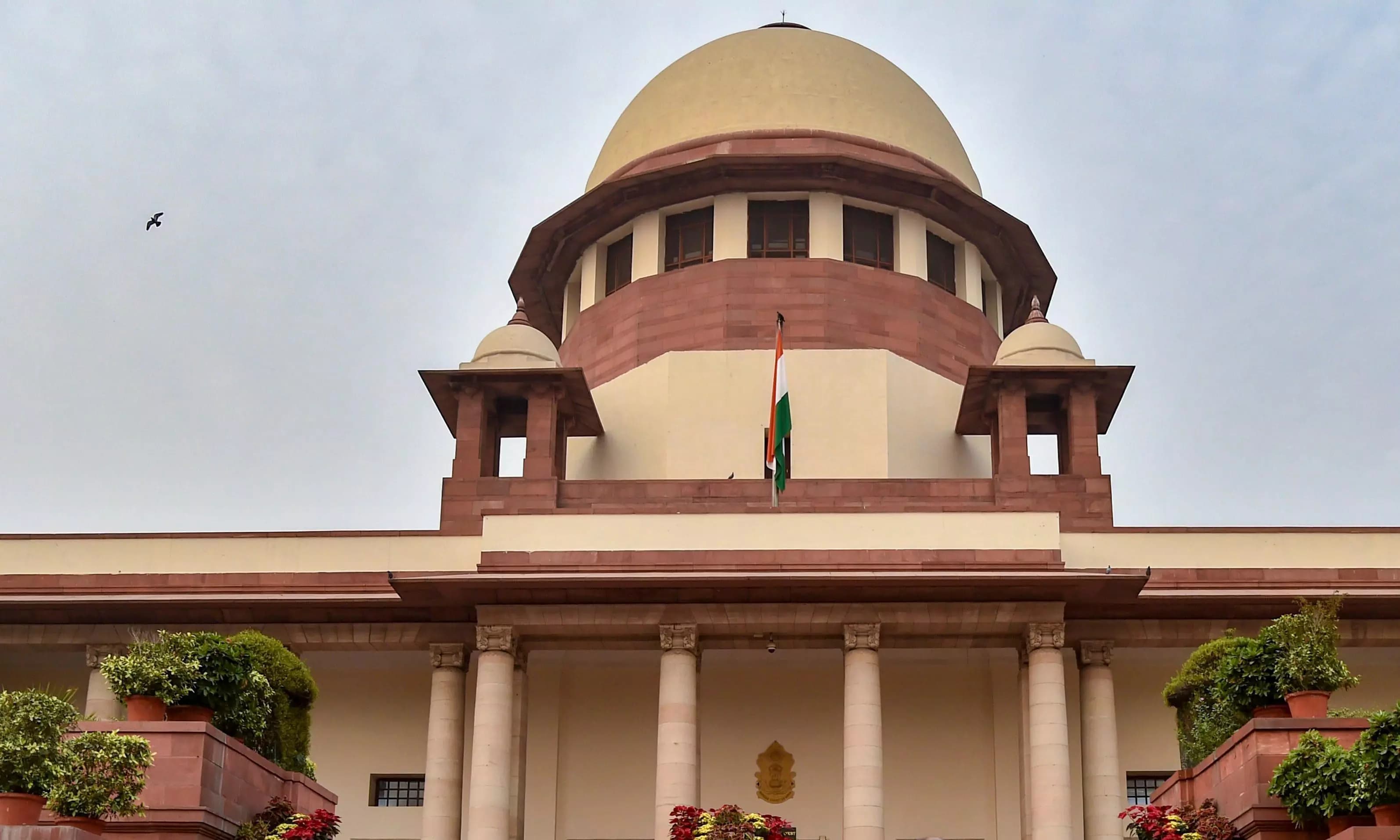
The legal challenge was filed on an urgent basis before a vacation bench presided over by Justice Tejas Karia. Representing the messaging platform, Advocate Madhav Khosla requested an immediate hearing to address the restriction, which reportedly impacts more than 150 million active users throughout the country. The Court has consented to hear the petition later today.
Context of the Telegram Restrictions
The Central government’s decision to block Telegram stems from a specific request submitted by the National Testing Agency (NTA). Officials from the agency alleged that various organized cheating rackets were actively utilizing the messaging platform to circulate misleading information and commit fraud against candidates scheduled to appear for the NEET-UG 2026 re-test, which is set for June 21.
Following this government mandate, domestic telecom operators initiated procedures to restrict user access to the service. Additionally, the application was removed from prominent mobile app stores. Authorities have characterized this move as a targeted, temporary measure intended to disrupt the distribution of leaked examination materials and prevent potential scams ahead of the critical assessment.
Pavel Durov, the founder of Telegram, has publicly expressed disagreement with the government's blocking order. He asserted that the platform had proactively deleted hundreds of channels purportedly involved in sharing illicit examination content. Durov argued that the ban adversely impacts millions of legitimate, everyday users while suggesting that such illicit activities might simply migrate to alternative digital platforms rather than being fully eliminated.
The National Testing Agency stands firm on its stance, maintaining that these restrictive measures were essential to preserve the integrity and security of the examination process. The NTA further clarified that the blockade is temporary in nature and is scheduled to be lifted once the re-examination concludes. The Delhi High Court is now tasked with reviewing the legality and proportionality of this government action, alongside assessing its broader implications for digital communication services and the rights of millions of Indian users.