Supreme Court Seeks Government Response on Plea Challenging Aadhaar Identity Misuse
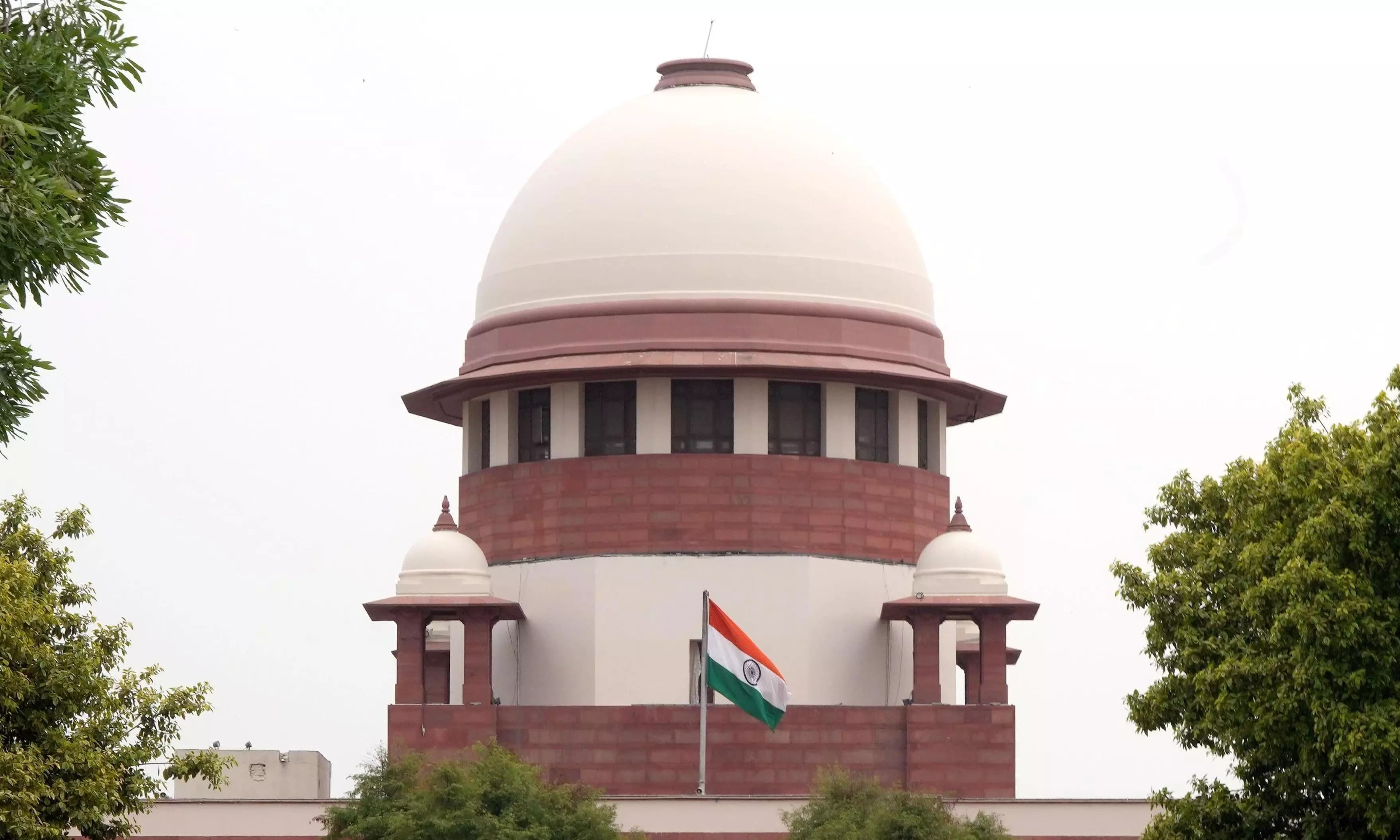
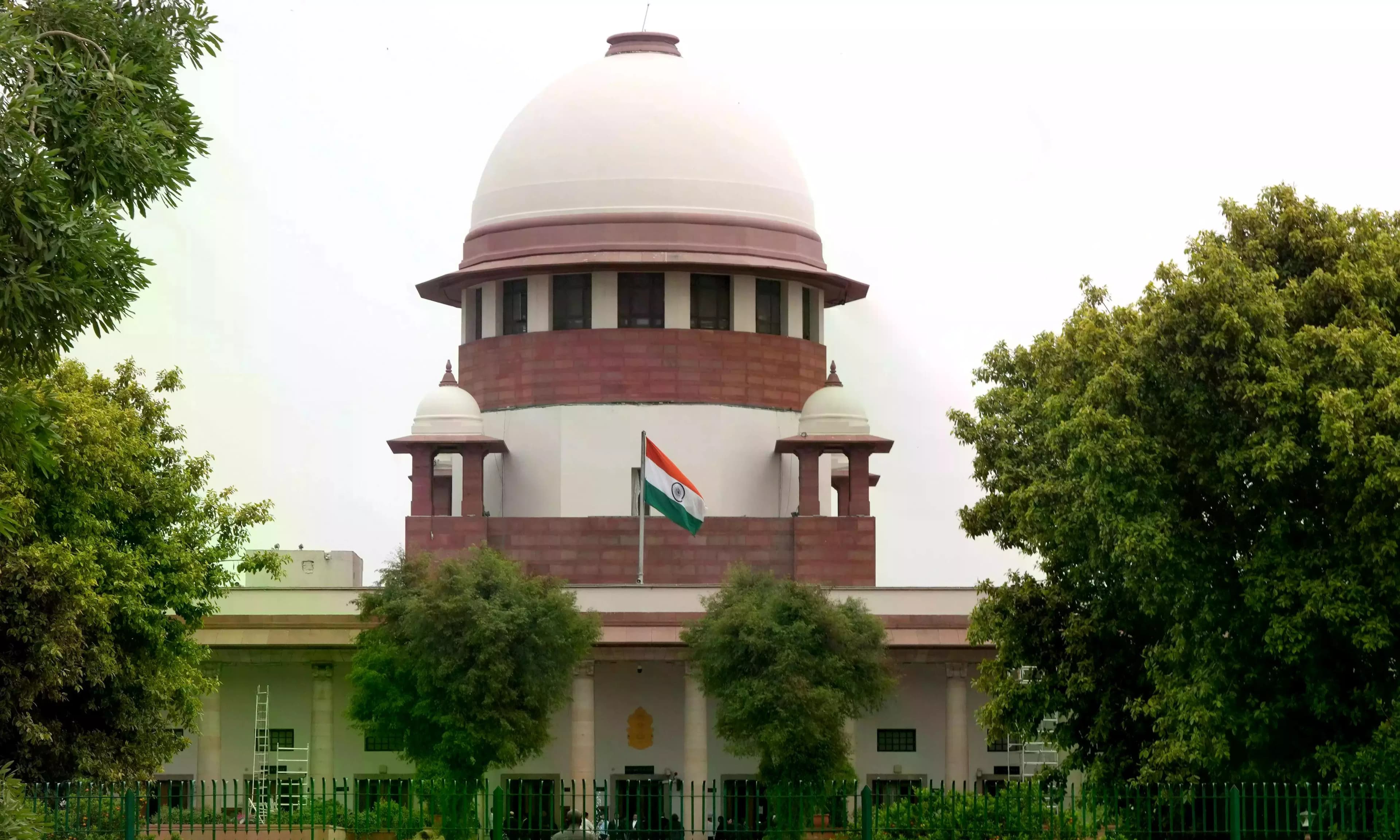
The Supreme Court has issued notices to the Centre and States regarding a plea that seeks to restrict the use of Aadhaar strictly to identity verification, arguing it is currently being misused as proof of citizenship and domicile.
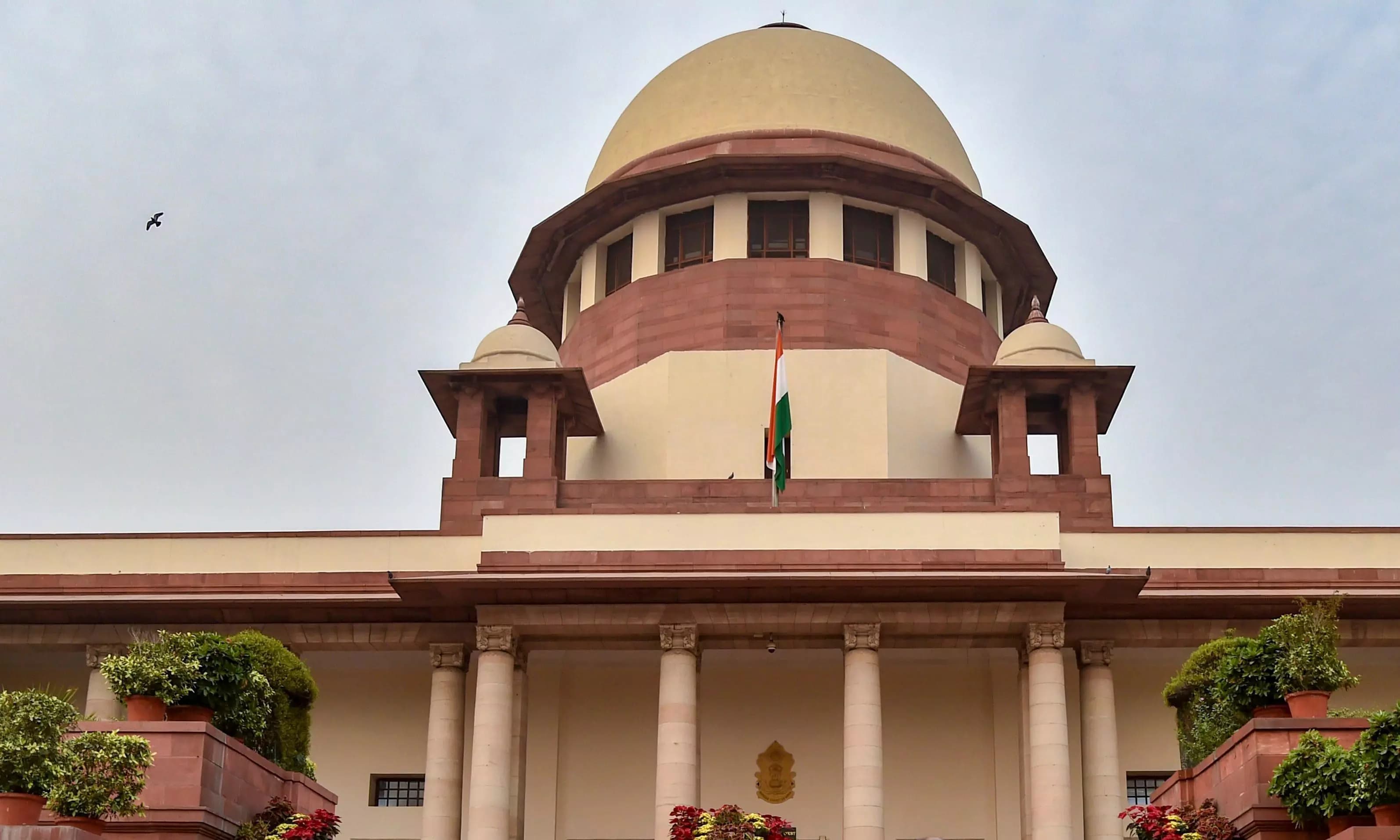
Highlights
- •Supreme Court requests responses from Centre and States regarding Aadhaar usage.
- •Petitioner argues Aadhaar is being misused as proof of citizenship and domicile.
- •Legal plea challenges the use of Aadhaar in Form-6 for voter registration.
- •Proposal made for a high-powered committee to oversee electoral verification reforms.
The Supreme Court of India has initiated legal proceedings regarding the use of Aadhaar as the sole form of identification. On Tuesday, a bench presided over by Chief Justice Surya Kant and Justice V Mohana officially requested responses from the Union Government and various state governments regarding a petition that raises concerns about the potential misuse of Aadhaar cards.
The petitioner, represented by advocate Ashwini Kumar Upadhyay, argues that these identification cards are being erroneously utilized as proof of citizenship, domicile, and residential address. The legal filing seeks clear directives to restrict the utility of Aadhaar strictly to identity verification purposes, aligning it with established legal frameworks. The case has been linked with other ongoing matters of a similar nature currently under judicial review.
Legal Concerns Over Aadhaar Misuse
The petition, filed through advocate Ashwani Dubey, specifically targets the Centre, various state administrations, and the Election Commission. It contends that Aadhaar is being incorrectly leveraged as a primary document for verifying age, citizenship, and place of residence in various official contexts. The plea highlights critical examples such as school admissions, property transactions, the issuance of birth certificates, and applications for ration cards or driving licenses.
Furthermore, the petition points out that Form-6, used for new voter registrations, currently permits the inclusion of Aadhaar details as evidence for date of birth and residence. According to the petitioner, this practice contradicts Section 9 of the Aadhaar Act, 2016, which explicitly states that the card does not serve as evidence for domicile or citizenship. It also challenges the process under Section 23(4) of the RPA, 1950 and argues that the current verification standards could potentially compromise the electoral database by allowing unauthorized individuals to register.
Proposed Reforms and Oversight
To address these systemic vulnerabilities, the petition advocates for a comprehensive structural overhaul of the verification framework used within electoral processes. The proposal suggests the formation of a high-powered monitoring committee tasked with overseeing these necessary reforms. This suggested panel would include a retired Supreme Court judge, alongside experts in the fields of cybersecurity and forensics.
By mandating these changes, the plea aims to ensure that Aadhaar remains a valid tool for identification without being exploited to gain entry into the country’s electoral rolls or other residency-based benefits. The court’s intervention marks a significant step in clarifying the legislative limits of the document and preventing its misuse by those seeking to bypass standard citizenship verification protocols.