Telangana HC Rebukes HYDRAA Over Property Interference, NGT Reviews Future City Project
The Telangana High Court criticized HYDRAA for overstepping legal boundaries on private land, while the NGT declined to block the Future City project. Additionally, the court provided relief to a former judge regarding property listing issues in Shamshabad.
Highlights
- •The Telangana High Court reprimanded HYDRAA for unauthorized interference in private property, asserting the agency is not above the law.
- •The National Green Tribunal refused to stall the Future City project, citing the development is currently in a preliminary, formative stage.
- •Former judge Justice Abhinand Kumar Shavili secured interim relief against the inclusion of his land on a prohibited list.
- •The judiciary emphasized that government agencies must strictly follow due process and legal boundaries when dealing with private property issues.
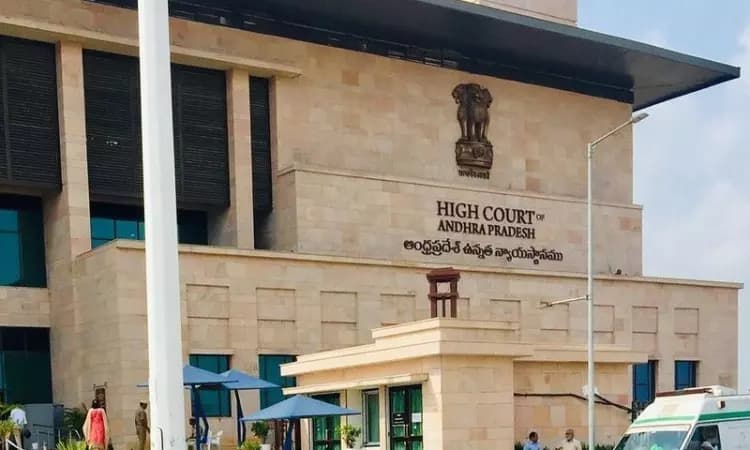
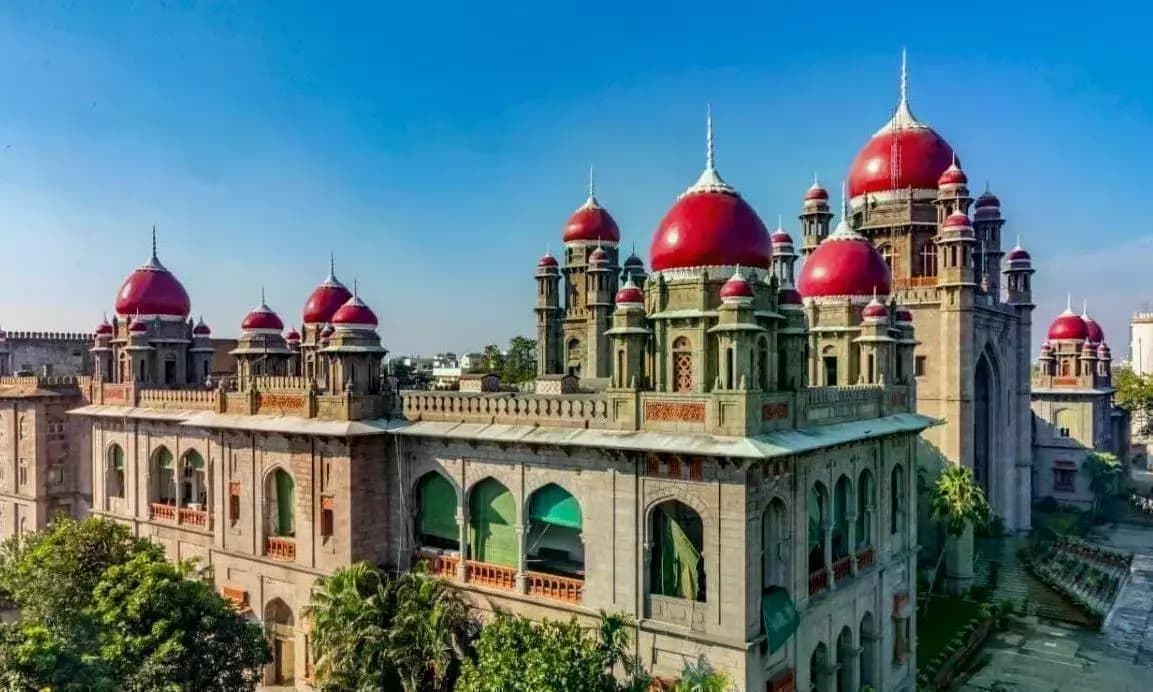
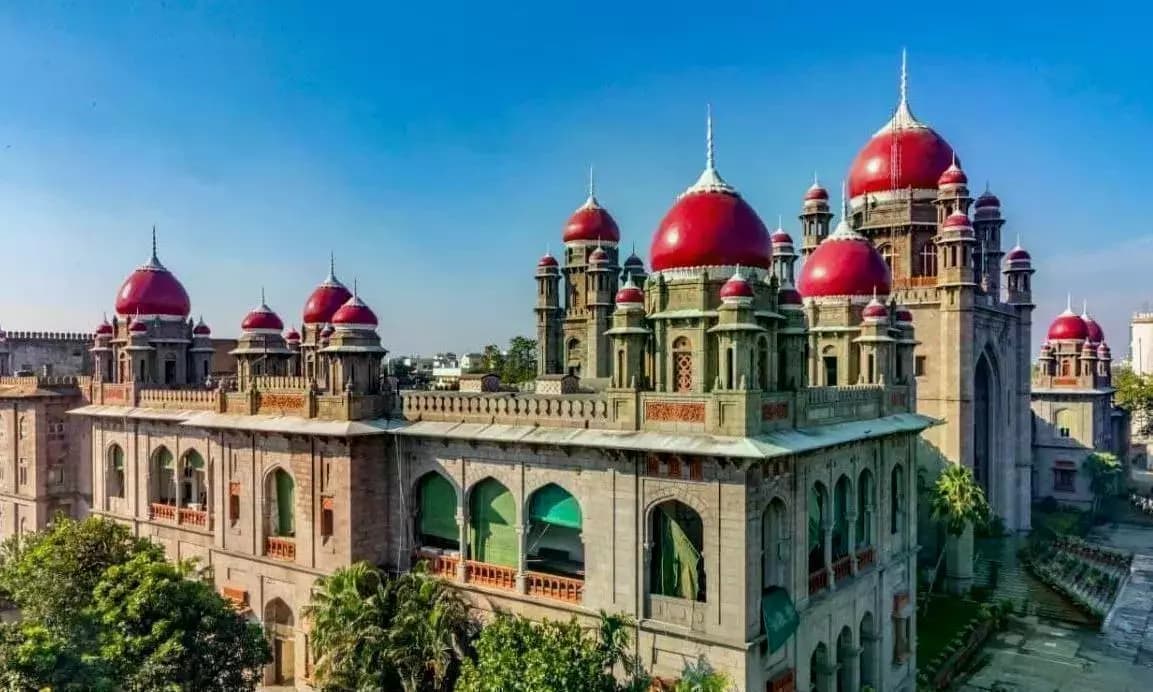
The Telangana High Court has issued a strong rebuke to the Hyderabad Disaster Response and Asset Protection Agency (HYDRAA), criticizing the body for allegedly overstepping its authority regarding private property. In recent legal proceedings, the court emphasized that despite the agency's stated objectives, it must operate strictly within the bounds of the law, noting that it does not function as a "super cop" organization.
Legal Rebukes and Ongoing Development Projects
The judicial criticism arose during the consideration of contempt cases brought by Shanta Sriram Constructions Private Limited. The company alleged that HYDRAA interfered with its land holdings in Lothkunta, Medchal-Malkajgiri district, in direct violation of previous court assurances. Justice Anil Kumar Jukanti remarked that HYDRAA, having been established through government orders, cannot exceed its operational mandate. The court underscored that an agency's lack of involvement in previous litigation does not provide it the license to intrude upon private property rights.
In a separate development impacting the region's urban landscape, the National Green Tribunal (NGT) in Chennai has declined to halt the Telangana government's Future City project at this initial stage. The bench, comprised of Justice Pushpa Satyanarayana and Dr. Prashant Gargava, observed that planned urban expansion initiatives should not be obstructed without substantial grounds. While environmentalists raised concerns regarding potential procedural lapses, the tribunal noted that the project is in its formative stages, and government assurances regarding compliance with statutory frameworks were acknowledged for the time being.
Revenue Records and Judicial Intervention
Additionally, the Telangana High Court provided interim relief to former judge Justice Abhinand Kumar Shavili (retd) and his brother, Ashok Kumar Shavili. Justice Pulla Karthik suspended proceedings by the Rangareddy district administration that had placed their 3.26-acre property in Shamshabad on a prohibited list. The petitioners argued that these revenue record changes were implemented without proper notice or an opportunity for a hearing. This case highlights broader public grievances concerning recurring errors in state revenue documentation, which often require extensive legal efforts to resolve.
These developments reflect the ongoing tension between regulatory enforcement agencies and private landholders in Telangana. As the state government pursues ambitious infrastructure and development goals, the judiciary continues to emphasize that all administrative actions—whether by HYDRAA or revenue departments—must strictly adhere to established legal protocols to protect individual property rights and ensure transparency.