J&K: Family Challenges Encounter Claim as Deceased is Reburied
Following the exhumation of Raashid Ahmad Mughal, whose body was initially labeled as a militant in a Ganderbal encounter, the family continues to challenge the official account. The case has sparked political demands for a transparent investigation into the disputed circumstances surrounding his death.
Highlights
- •Family of Raashid Ahmad Mughal challenges the official militant tag after body exhumation.
- •The incident originated from an April 1 operation in Ganderbal's Arhama forest.
- •Political figures, including Omar Abdullah, have called for a transparent magisterial inquiry.
- •The victim was a local computer operator, refuting claims of militant involvement.
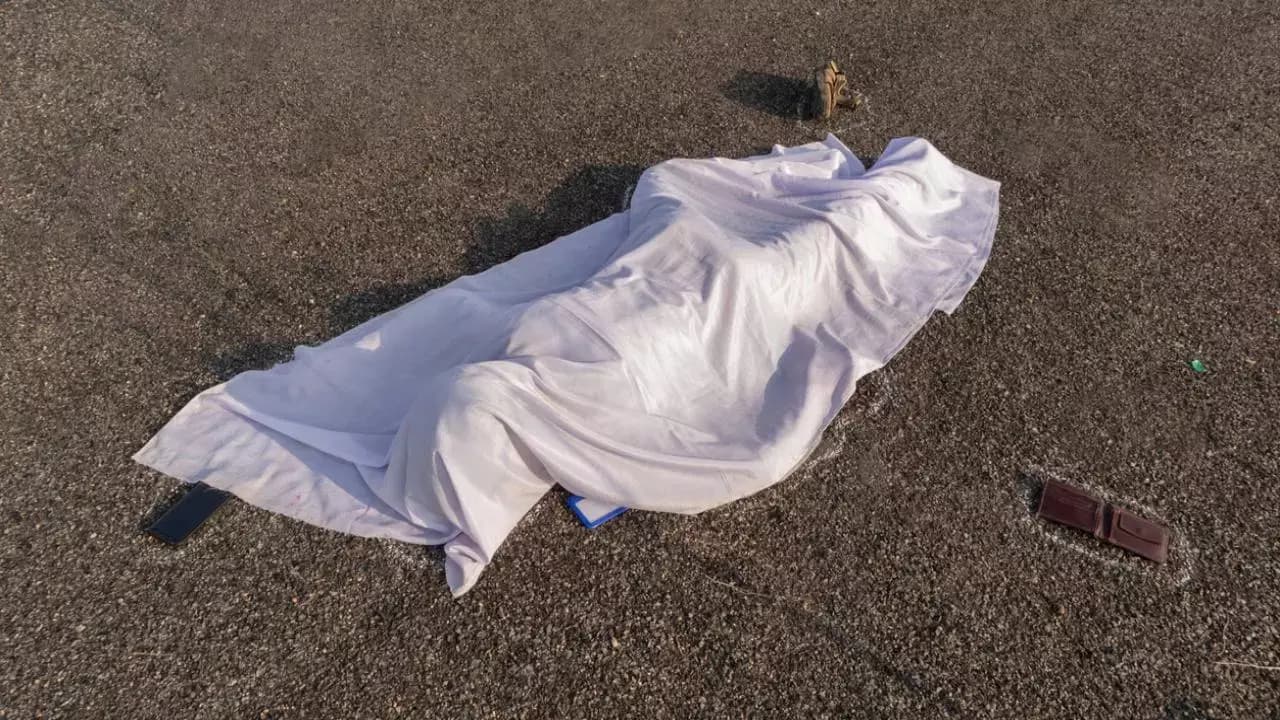
Months after authorities claimed to have neutralized a militant during an operation in the Ganderbal district, the body of the deceased man has been exhumed and returned to his family. This significant development has reignited a contentious debate regarding the official Jammu and Kashmir encounter claim, bolstering the relatives' long-standing assertion that the victim was an innocent civilian rather than a combatant.
The remains of the man, identified as Raashid Ahmad Mughal from the Chunt Walivar area in Lar, were exhumed on June 13. They were subsequently handed over to his family and reburied in their ancestral graveyard late that night, with police and a small group of relatives in attendance. For the family, this late-night internment offered little closure, serving instead as a grim reminder of a narrative they argue has been shrouded in official opacity and contradiction since the incident began.
Challenging the Official Encounter Narrative
The incident originally unfolded on the night of April 1, when the Army reported the elimination of a “terrorist” during a forest operation in Arhama village. While the Army claimed the action followed intelligence regarding suspicious movements, the subsequent identification of the deceased as Raashid Ahmad Mughal—a part-time computer operator known for helping villagers with pension benefits, job cards, and bank documents—led to immediate outcry. His brother, Ajaz Ahmad, has consistently rejected the militant label, noting that Raashid had left home on March 31 for routine work and never returned.
The family's suspicions were further fueled by alleged inconsistencies regarding the victim's clothing and the decision to transport the body to Handwara rather than releasing it immediately to the relatives. These concerns triggered widespread protests and caught the attention of prominent political leaders. Chief Minister Omar Abdullah publicly advocated for a transparent, time-bound probe, while Mehbooba Mufti of the Peoples Democratic Party also demanded an impartial investigation into the circumstances of the death.
Calls for Transparency and Accountability
In response to the mounting public pressure, Lieutenant Governor Manoj Sinha mandated a thorough magisterial inquiry into the Arhama incident. The District Magistrate of Ganderbal was tasked with overseeing this investigation; however, the findings of this probe have yet to be disclosed to the public. As the community continues to grapple with the return of the body months later, the lack of transparency surrounding the original Jammu and Kashmir encounter claim remains a critical point of friction. The family is now intensifying their demand that the authorities finally reveal the findings of the inquiry to clarify why an individual described as a civilian was initially characterized as a militant.