TDP MP Vijay Chinthakayala Highlights Mangalagiri Weavers Legacy in Rajya Sabha Oath
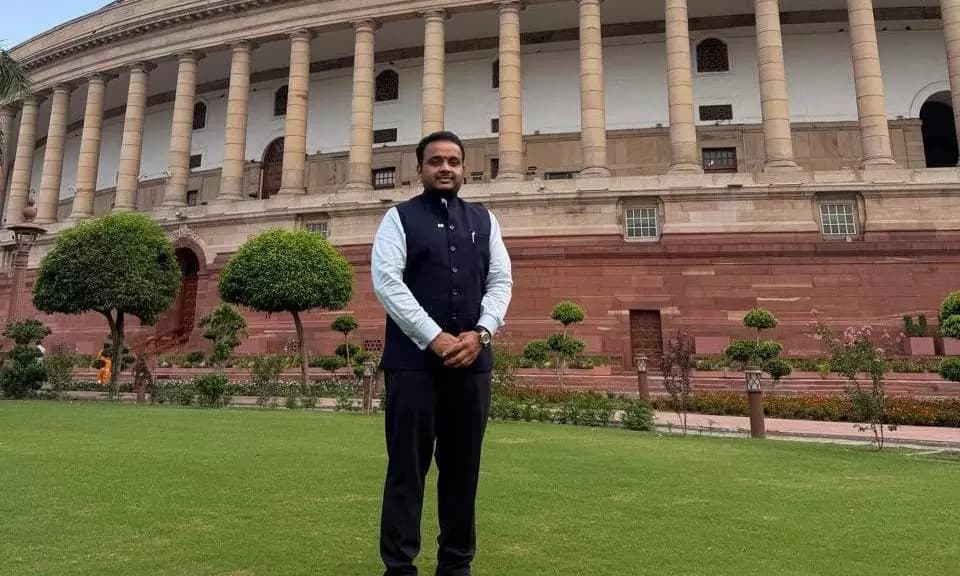
TDP MP Vijay Chinthakayala Ayyannapatrudu used his Rajya Sabha oath ceremony to spotlight the struggles and heritage of Andhra Pradesh's Mangalagiri weavers. The gesture emphasizes a political commitment to preserving the historic handloom industry and supporting local artisanal livelihoods.
Highlights
- •Vijay Chinthakayala Ayyannapatrudu took his oath as a Rajya Sabha MP on June 25, 2026.
- •The choice of a traditional Mangalagiri cotton shawl highlighted a historic handloom tradition.
- •The Mangalagiri weaving community has declined from 20,000 to 6,000 weavers since the 1990s.
- •The gesture reflects political commitments to support local artisans and boost international branding for the craft.
On a significant day for Andhra Pradesh, newly elected Telugu Desam Party (TDP) member Vijay Chinthakayala Ayyannapatrudu officially took his oath of office as a Rajya Sabha MP on June 25, 2026. This parliamentary event, held in the nation’s capital, also saw fellow TDP representatives Sana Satish Babu and Bhashyam Rama Krishna, along with Jana Sena Party’s Lingamaneni Ramesh, take their oaths, representing a major electoral achievement for the NDA coalition in the Upper House.
During this milestone moment, Vijay Chinthakayala made a deliberate fashion choice by wearing a traditional Mangalagiri cotton shawl. This subtle yet powerful gesture brought the rich cultural heritage of one of Andhra Pradesh’s most iconic handloom traditions into the national spotlight. The shawl represents much more than mere ceremonial attire; it is a symbol of a deep-rooted history tied to the temple town of Mangalagiri in the Guntur district.
Reviving the Legacy of Mangalagiri Cotton
The history of Mangalagiri cotton spans over five centuries, enduring significant challenges. During the Qutub Shahi era in 1593, the industry faced immense pressure from heavy taxation, which forced many local weavers to abandon their craft. Despite these historic setbacks, the weaving community persevered, preserving their unique skills for generations. Today, this distinctive craft holds a Geographical Indication (GI) status, yet the industry faces modern-day struggles.
In the early 1990s, the region was home to approximately 20,000 active weavers. Currently, that number has dwindled to roughly 6,000. Factors such as rising operational costs, thinner profit margins, and the influx of mass-produced, machine-made imitations have threatened the livelihoods of those dedicated to this traditional art form.
The appearance of Vijay Chinthakayala Ayyannapatrudu in this hand-woven attire resonated with the broader strategic vision championed by Andhra Pradesh IT and Electronics Minister Nara Lokesh. Representing the Mangalagiri assembly constituency, Nara Lokesh has long emphasized that weavers should be viewed as skilled artisans rather than simple laborers. His previous initiatives, including a 2019 announcement of a Rs. 250 crore market intervention fund, were designed to boost international branding for the local craft.
By choosing this symbolic shawl, Vijay Chinthakayala underscored the ongoing commitment to protecting the interests of these craftsmen. As he stood to take his oath, his attire served as a poignant reminder of the thousands of families dependent on this trade. It highlighted a collective pledge to ensure that the voices and needs of Mangalagiri’s weaving community remain a priority within the highest legislative chambers of the country.