The Islamic Legacy Built Into Gaudí’s Most Famous Architectural Designs
2026 marks the centenary of architect Antoni Gaudí, whose iconic Barcelona structures feature a significant Islamic legacy. By utilizing Moorish techniques and Mudéjar styles, Gaudí created a unique architectural language that reflects Spain's deep, historical connection to the broader Muslim world.
Highlights
- •Antoni Gaudí's architecture displays a significant Islamic legacy through Moorish motifs and techniques.
- •Buildings like Casa Batlló and Park Güell incorporate Mudéjar-style azulejo tiles and other Arabic-influenced designs.
- •Spain's deep historical connection to the Islamic world is reflected in its linguistics, geography, and architectural evolution.
- •The integration of global cultural styles helped Gaudí develop his unique and globally celebrated Catalan Art Nouveau aesthetic.
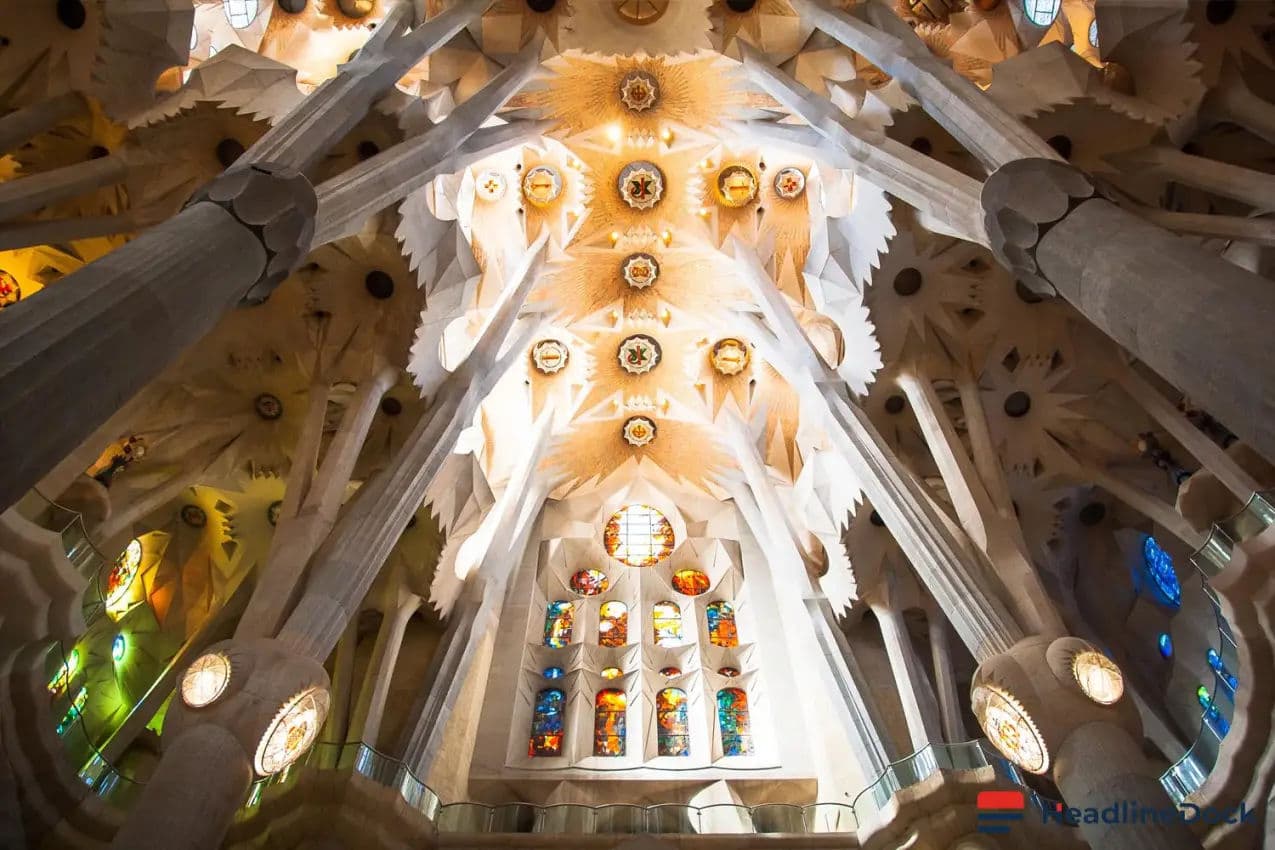
The year 2026 marks the centenary of the passing of Antoni Gaudí, the iconic Catalan architect whose distinctive structures continue to define the skyline of Barcelona. Beyond his religious devotion and engineering brilliance, a profound yet often overlooked element of his work is the enduring Islamic legacy woven into his most celebrated architectural masterpieces.
Understanding Gaudí's Islamic Architectural Influences
Although Gaudí was a committed Christian, he frequently utilized Moorish motifs throughout his portfolio. Notable examples include Casa Vicens and Park Güell, which feature extensive applications of azulejo—a Spanish term derived from the Arabic al-zalij, referring to specialized tiles. These decorative elements highlight a historical bridge between Spain and the broader Islamicate world, reflecting a cultural heritage that predates modern boundaries.
The influence is not merely superficial. Casa Batlló draws significant inspiration from the Mudéjar style, characterized by the intricate use of vibrant bricks and tiles by Muslim artisans who remained in Iberia after 1492. Furthermore, reports suggest that the undulating facade of La Casa Milà, also known as La Pedrera, was conceptually inspired by the spinning movements of Sufi dervishes from Turkey. By integrating these techniques, such as the trencadís method of arranging broken tile shards, Gaudí created a uniquely Catalan architectural identity that honors a complex and ancient cross-cultural history.
Historical Ties and Modern Context
The connection between Spain and the Muslim world is deeply rooted in geography and history, spanning from the arrival of armies under Tariq bin Ziyad in 711 to the conclusion of Muslim rule in 1492. Many modern place names, including Gibraltar—derived from Jabal al-Tariq—and the terminology found in urban layouts like Las Ramblas, testify to this deep-seated past. Las Ramblas itself traces its etymology to the Arabic word raml, meaning sand, referencing its history as a dry riverbed.
In the wake of tragic events, such as the 2017 terrorist attack in Barcelona, experts have noted the irony of such violence occurring in a city that bears the architectural and linguistic imprint of that very history. While extremist groups have frequently invoked the era of al-Andalus to fuel their propaganda, the physical environment of Spain stands as a testament to a far more nuanced narrative. Ultimately, whether through the preservation of historic sites or the enduring Islamic legacy within Gaudí’s designs, the landscape of Spain serves as a permanent reminder of its profound and inseparable connection to the diverse cultures of the Mediterranean region.