The Risky 1970s Campaign to Bring LGBTQ+ Activism to Television
In 1970, UK activists began appearing openly on television to challenge the extreme social stigma surrounding homosexuality. Despite risking their jobs and personal security, these pioneers used public platforms to demand visibility, fundamentally changing the landscape for future LGBTQ+ rights movements.
Highlights
- •The 1967 Sexual Offences Act offered limited decriminalization, but severe social stigma necessitated further activism.
- •In 1970, activists began appearing openly on television to challenge anonymity and promote visibility.
- •Groups like the GLF and CHE used different strategies, ranging from radical disruption to conventional public imaging.
- •Activists faced significant personal risks, including unemployment and eviction, while fighting for societal recognition.
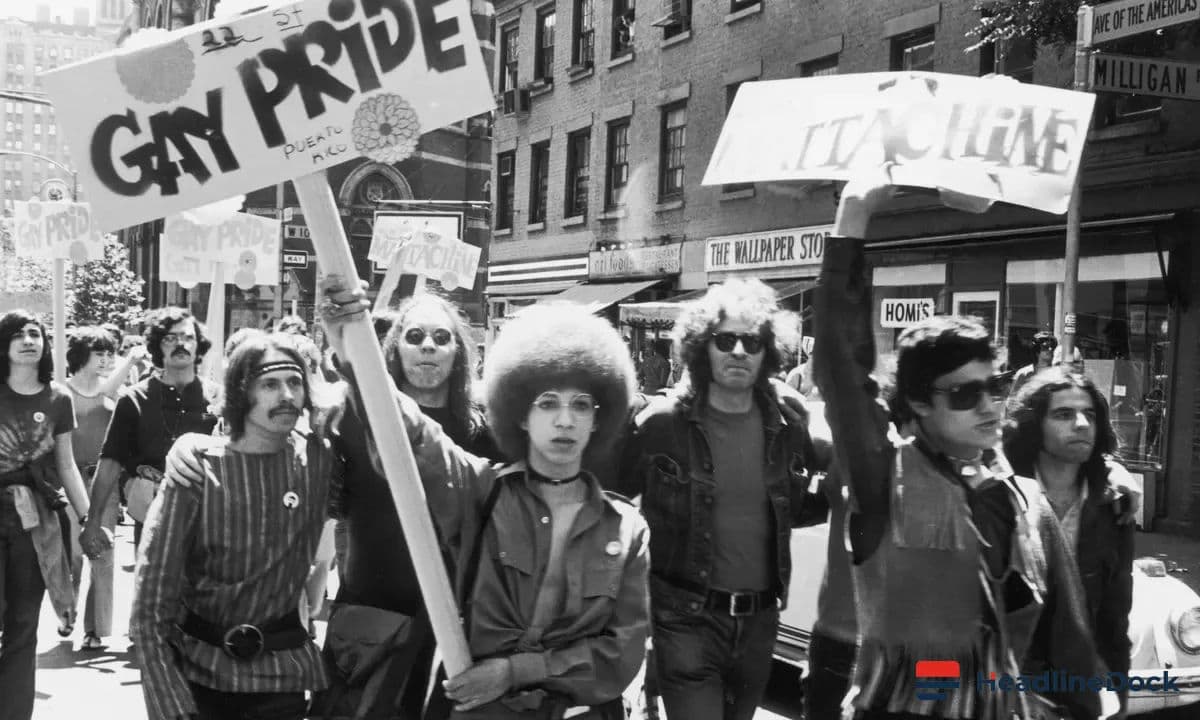
In 1970, the landscape for LGBTQ+ activism in the United Kingdom reached a significant turning point as campaigners began to challenge social invisibility through a bold new strategy: appearing on television as openly gay. While the 1967 Sexual Offences Act had provided some relief by decriminalizing certain acts between men, deep-seated societal prejudice remained, and mainstream media largely ignored the experiences of gay individuals.
Before this shift, media representations were restricted to anonymous interviews, often filmed in silhouette or with participants distanced from the community by speaking in the third person. Prominent activists like Antony Grey struggled against a culture where the vast majority of gay people felt compelled to remain closeted to protect their personal and professional lives. However, in June 1970, Nigel Cronin of Northern Ireland’s Elmwood Association initiated a move that would define a new era of LGBTQ+ activism: the decision to face television cameras openly.
The Impact and Risks of Coming Out on Television
The push to appear on television served two primary functions. First, it provided necessary visibility for organizations such as the Scottish Minorities Group (SMG), the Campaign for Homosexual Equality (CHE), and the Gay Liberation Front (GLF). Second, these appearances allowed activists to serve as role models, helping the broader public understand the realities of gay life. For the individuals involved, this was an incredibly brave and often irrevocable act, as the social cost of public disclosure frequently included job loss, eviction, and familial estrangement.
The methods used by these groups varied significantly. Warren Hague of the GLF took a confrontational and highly visible approach, famously kissing the head of journalist David Frost on national television in November 1970. In contrast, CHE adopted a more conventional and understated profile, with organizers like Roger Baker aiming to promote a social image that encouraged normalcy and integration. This difference in tactics sometimes led to friction, as seen when CHE activists criticized the disruptive nature of the GLF.
Despite the risks, these televised appearances were fundamental in normalizing the existence of gay men and lesbians in the public consciousness. By consistently making themselves visible, these pioneers endured severe personal sacrifices to secure a platform for the community. Their efforts fundamentally shifted the trajectory of gay rights in the UK, creating a foundation that made it increasingly possible for future generations to step out of the shadows. Even in regions like Northern Ireland, where legal challenges remained particularly steep, the persistence of these activists continued to influence the public discourse surrounding LGBTQ+ rights.