Frida Kahlo at Tate Modern: How a Radical Artist Became a Global Icon
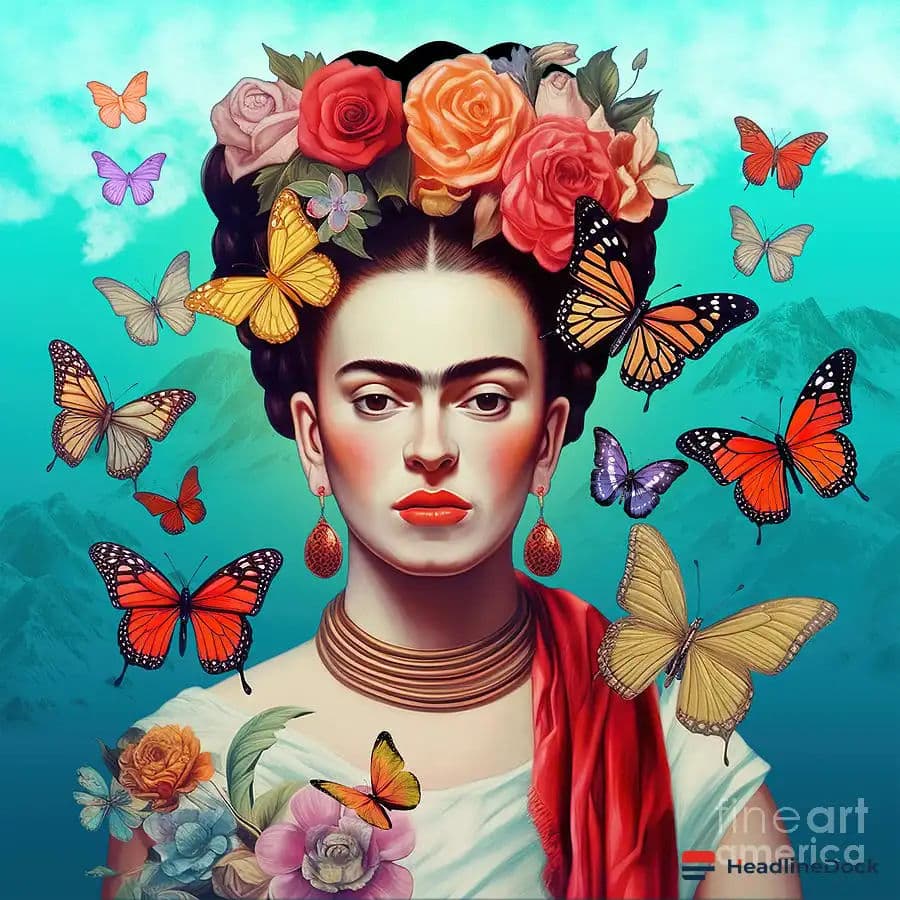
The Tate Modern's latest exhibition, Frida: The Making of an Icon, investigates the artistic legacy and global cultural influence of Mexican painter Frida Kahlo. The show highlights her evolution from an individual artist to an enduring symbol of self-invention.
Highlights
- •The Tate Modern exhibition explores the transformation of Frida Kahlo from a painter to a global icon.
- •The display includes rare early photographs and 30 original works by the Mexican artist.
- •Curators examine her lasting influence on disability, feminist, and queer art activism.
- •The show critically addresses the commercialization and modern-day branding of her personal image.
The Tate Modern in London is currently hosting an exhibition titled Frida: The Making of an Icon, which serves as a major examination of the life and legacy of the legendary Mexican painter Frida Kahlo. This highly anticipated event has already achieved record-breaking advance ticket sales for the institution, highlighting the enduring global fascination with her story and artistic contributions.
The exhibition takes a broad look at how Frida Kahlo evolved from a private individual into a worldwide cultural symbol. Visitors are greeted by rare archival photographs taken by her father, Guillermo Kahlo, when the artist was just 18 years old. These early images, taken shortly after she survived a life-altering bus accident, offer a profound glimpse into her struggle with physical pain and her developing sense of identity. By capturing her moments of vulnerability and quiet defiance, the exhibit sets the stage for a deep exploration of her artistic journey.
The Evolution of a Global Cultural Icon
While the showcase features approximately 30 original works by Frida Kahlo, the primary focus is not solely on her painting technique. Instead, the exhibition catalogs the expansive legacy of this global icon. By displaying her creations alongside the works of Mexican peers like Olga Costa and Manuel Rodríguez Lozano, the curators contextualize her impact within the vibrant art scene of her time. The collection also includes contributions from Surrealist artists, including Jacqueline Lamba, further illustrating the breadth of her influence.
A significant portion of the exhibition explores how Frida Kahlo has been embraced by marginalized communities. The curators highlight her importance as a symbol of self-invention and autonomy, particularly for those navigating adversity. By presenting her work alongside modern artists such as Berenice Olmedo, Martine Gutierrez, and the collective Las Yeguas del Apocalipsis, the display demonstrates how her example continues to empower creators today, particularly in discussions surrounding disability, queer identity, and activism.
However, the exhibition also presents a critical perspective on the commercialization of her persona. The final sections of the display track her transformation from a historical figure into a commercial brand. As the exhibition progresses, the boundary between the person and the curated icon becomes increasingly blurred. This serves as a reflection on how Frida Kahlo, more than 70 years after her passing, continues to be reinterpreted by subsequent generations who shape her image to suit contemporary narratives. The exhibition will remain open to the public at the Tate Modern until January 3, 2027, offering a unique opportunity to engage with one of the most recognizable figures in modern art history.