Tarique Rahman’s First 100 Days: Navigating Instability and Turmoil in Bangladesh
Tarique Rahman’s initial 100 days as Bangladesh's leader have been marred by administrative failures, controversy over international agreements, and public unrest. As the nation grapples with these issues, the potential return of Sheikh Hasina adds to the increasing political uncertainty facing the current administration.

Highlights
- •The first 100 days of Tarique Rahman’s administration have faced criticism over administrative failures and ongoing instability.
- •Serious health crises, including a measles outbreak, have been linked to government negligence in procuring essential vaccines.
- •Controversial defense and trade agreements with the U.S. have raised concerns about national sovereignty and economic impact.
- •Growing public support for the Awami League and the planned return of Sheikh Hasina pose new challenges for the BNP government.
The first 100 days of the Bangladesh Nationalist Party (BNP) administration under Tarique Rahman have been marked by significant domestic turmoil and concerns regarding national governance. This period is increasingly viewed as a continuation of the volatile 18-month tenure led by interim leader Muhammad Yunus, who assumed power following the ousting of Sheikh Hasina. Observers suggest that the current political landscape remains deeply unstable, with many citizens expressing disillusionment with the path taken by the new leadership.
Challenges Facing the Tarique Rahman Administration
The BNP secured a significant electoral victory in February 2026, largely fueled by voters seeking an alternative to the previous interim government. However, expectations have shifted toward concern as reports of persistent extortion rackets, mob violence, and administrative failures continue to emerge. One of the most severe criticisms involves the tragic deaths of approximately a thousand children due to measles. Reports indicate that government medical facilities lacked the necessary vaccines, despite multiple warnings from UNICEF and the World Health Organization regarding the need to bolster medical stocks.
Furthermore, questions surrounding national sovereignty have surfaced regarding agreements signed with the United States. Economist Debapriya Bhattacharya has characterized the trade and defense deals finalized during the transition period as potentially detrimental to the national interest. These agreements, which reportedly include provisions for the purchase of Boeing passenger aircraft and the potential stationing of American warships at domestic ports, have sparked intense debate among local political and economic circles.
Political Tensions and Public Sentiment
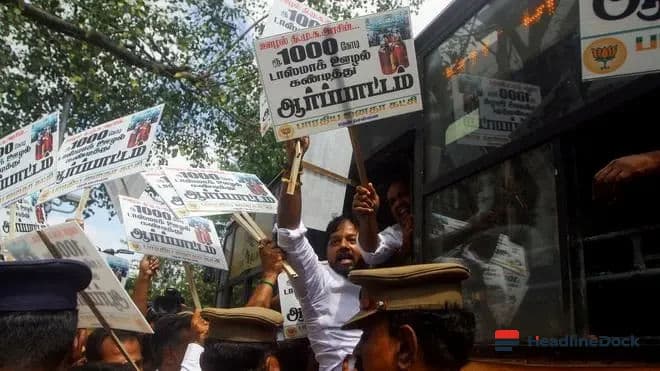
The political climate has been further complicated by the government's stance toward the Awami League. Legislative moves to solidify the ban on the party's political activities, combined with the denial of a state funeral for veteran freedom fighter Tofael Ahmed, have created significant friction. Such decisions have led to public demonstrations and expressions of solidarity from supporters who recall the former administration's contributions to the country's development.
Public dissatisfaction is also evident in the mounting hostility directed toward student leaders who were central to the movement that toppled the previous government. Additionally, border management and the return of individuals from abroad have placed further pressure on the Tarique Rahman regime. With Sheikh Hasina signaling her intention to return to the country by December 16, the political landscape remains highly fluid. The ability of the current leadership to address these complex challenges and maintain stability will be critical in the coming months as public scrutiny of their performance continues to intensify.