India-China Ties Must Not Be Dictated by Beijing, Says Asaduddin Owaisi
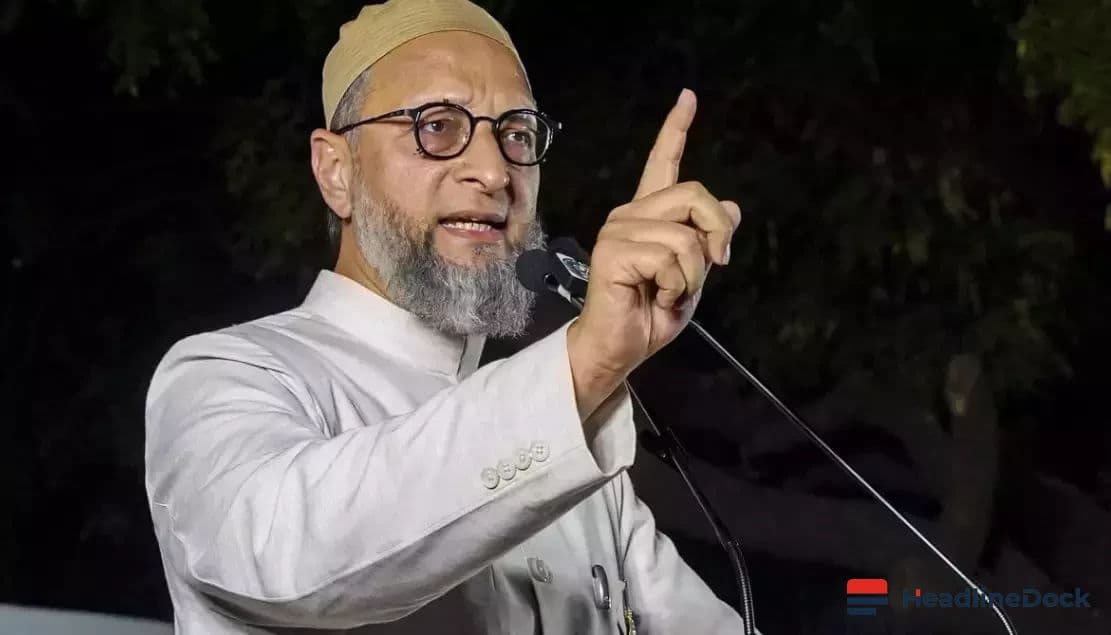
AIMIM president Asaduddin Owaisi has stated that normalizing ties with China should not occur on Beijing's terms. He urged the government to prioritize national interests, citing concerns over border concessions, lack of hydrological data sharing, and China's military support for Pakistan.
Highlights
- •Asaduddin Owaisi stresses that India-China ties must prioritize Indian national interests.
- •Owaisi argues that China seeks normalcy while refusing to reciprocate on key issues.
- •Concerns raised over China's refusal to share hydrological data on the Brahmaputra.
- •Criticism directed at the government regarding lack of clarity on border concessions.
The pursuit of normal relations between India and China must not come at the expense of national interests, according to AIMIM president Asaduddin Owaisi. The member of parliament from Hyderabad recently emphasized that while every citizen desires peaceful ties, any diplomatic engagement must be conducted on terms that respect the sovereignty and foundational priorities of India. This debate surrounding India-China relations remains a sensitive topic in national discourse.
National Interests and Diplomatic Stance
Speaking on the evolving diplomatic landscape, Asaduddin Owaisi argued that discarding established policies in the hope of achieving normalcy could lead to disastrous outcomes. He stated that national security and long-term strategic interests must remain paramount during any bilateral discussions. The AIMIM leader highlighted that China has often suggested setting aside border disputes to facilitate smoother bilateral interactions, yet he contends that Beijing has shown an unwillingness to offer reciprocal gestures.
The critique extended to specific areas of concern, including the lack of transparency regarding shared resources. Asaduddin Owaisi pointed out that China has consistently refused to provide vital hydrological data regarding the Brahmaputra river, which is crucial for water management in the region. Furthermore, he raised concerns over the close operational and military support that Beijing extends to Pakistan, characterizing it as a complicating factor in regional security dynamics.
Policy Concessions Under Scrutiny
The discussion also touched upon the approach taken by the administration of Prime Minister Narendra Modi. Asaduddin Owaisi expressed frustration over the perceived lack of clarity regarding concessions made by the government. He specifically mentioned the consideration of an 'early harvest' approach to resolving border tensions as a point that requires further explanation to the public. According to the parliamentarian, there has been a notable absence of communication explaining why these strategic concessions are being weighed without clear indications of a balanced response from the Chinese authorities.
As the dialogue continues regarding the future of India-China relations, the call for transparency and firm negotiation remains a significant talking point. Ensuring that diplomatic efforts align with core national security requirements is, according to the AIMIM chief, essential for maintaining the nation's integrity on the global stage. This ongoing tension underscores the complexities involved in managing one of the most critical borders in the world while attempting to maintain productive international partnerships.