Middle Class Revolt: How Neet Scam Exposes Educational Betrayal
The Neet scam has ignited anger among India's aspirational middle class, casting doubt on educational reforms promised by Prime Minister Narendra Modi.
Highlights
- •Education once seen as a pathway to social advancement
- •Corruption in the administration of National Eligibility cum Entrance Test (Neet)
- •Systemic problems exposed, challenging trust in public institutions
- •Economic slowdown and rising inflation intensify discontent
The dream of an aspirational middle class in India, symbolized by the slogan 'Hawaii chappal se hawai jahaz tak,' once resonated with millions. Prime Minister Narendra Modi promised economic empowerment through education, promising air travel for the masses as a tangible marker of progress.
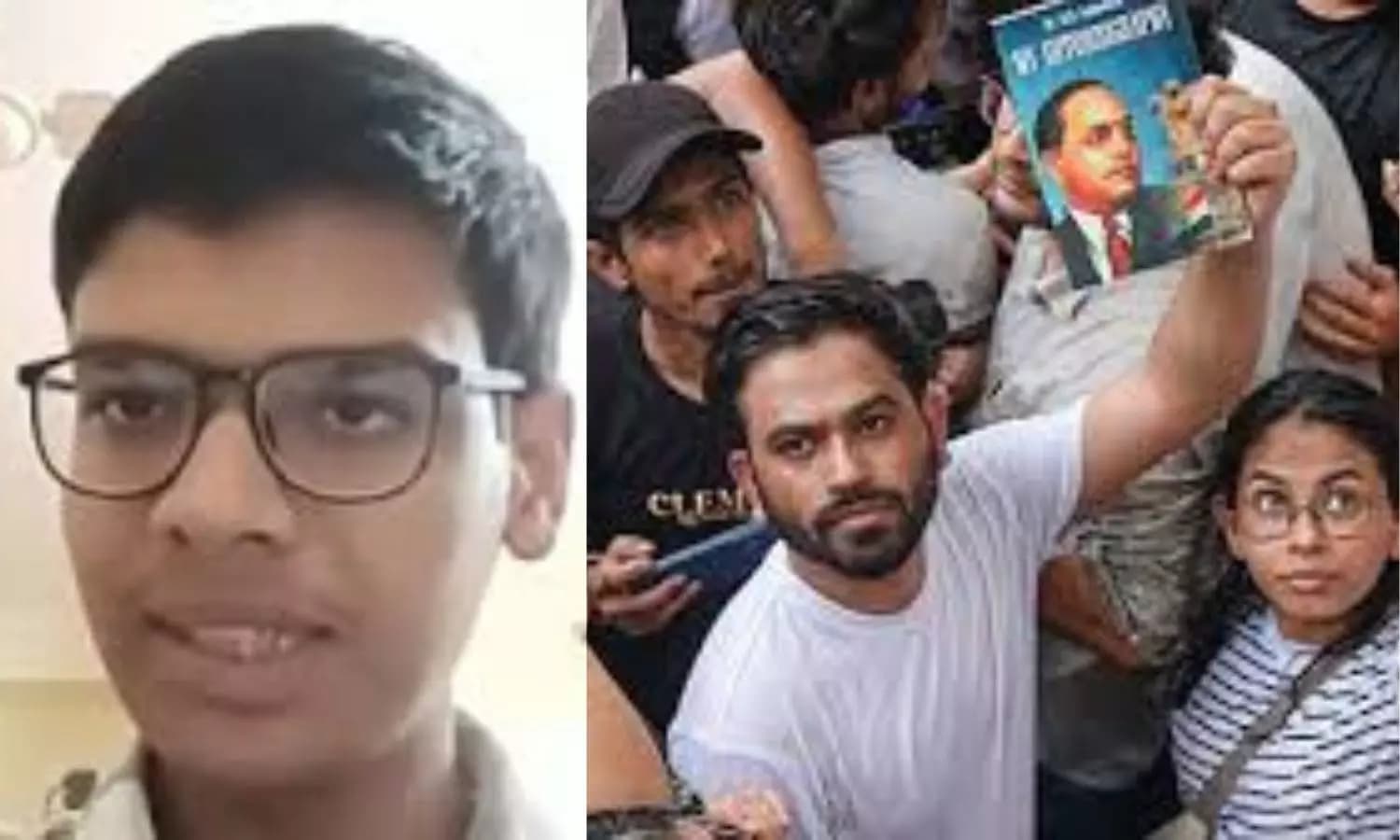
However, recent revelations about corruption and incompetence in the National Eligibility cum Entrance Test (Neet) have sparked anger among the middle class. Unlike previous issues, where corruption in major projects or international events drew headlines, this time the focus is on educational corruption—a critical lifeline for aspirational families. An exposure by an intelligent 17-year-old has brought to light the inept management and systemic failures in Neet.
Failed Promises
The middle class once saw education as a gateway to social advancement, much like former Prime Minister Manmohan Singh did when he rose through merit. In the face of corruption scandals within his own party in 2012-13, many turned towards Modi's self-made narrative and promises for better governance. The Neet controversy now forces them back to question these commitments.
Corruption not only affects individual lives but also undermines trust in public institutions. When an institution as vital as Neet is compromised, it shakes the very foundation upon which hopes of a better future are built. This betrayal, combined with stagnant employment opportunities and rising inflation, fosters resentment among those who sought change through education.
Prime Minister Modi: The current political landscape shows that no minister will be willing to step down easily, despite public pressure. However, the PM's style of governance may have to adapt if he expects to retain his support base. A mere reshuffle won't suffice; big heads might need to roll.The economic scenario in 2026 is starkly different from that in 2012-13. Economic slowdown, reduced employment prospects, and political scandals have created an atmosphere of discontent among the middle class. The government must address these issues promptly or risk losing support within its own ranks.