Kerala's 'Project Zero' Launches Intensive Anti-Corruption Campaign
Kerala's 'Project Zero' seeks to eradicate corruption across all levels of administration through stringent measures, public participation, enhanced vigilance, and technological safeguards.

Highlights
- •'Project Zero' launched by Kerala's Home Minister Ramesh Chennithala
- •Zero-tolerance policy towards corruption
- •Public complaints mechanisms and strict surveillance to prevent corrupt practices
- •Revised Vigilance Manual with focus on ethical governance
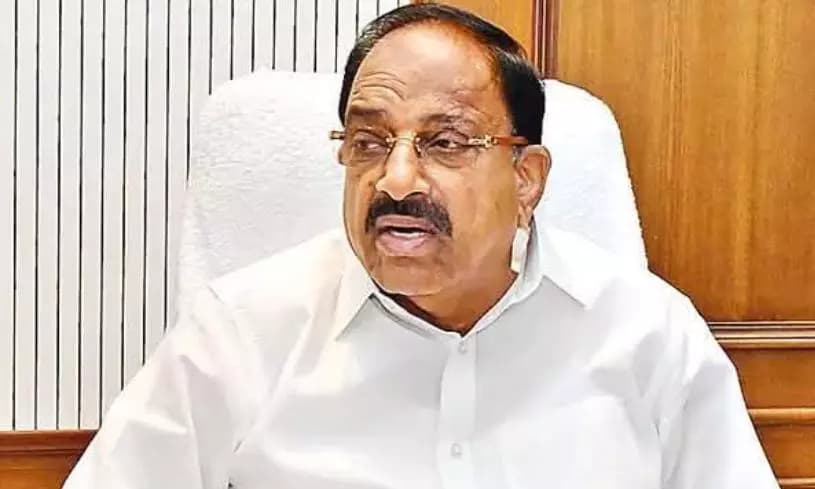
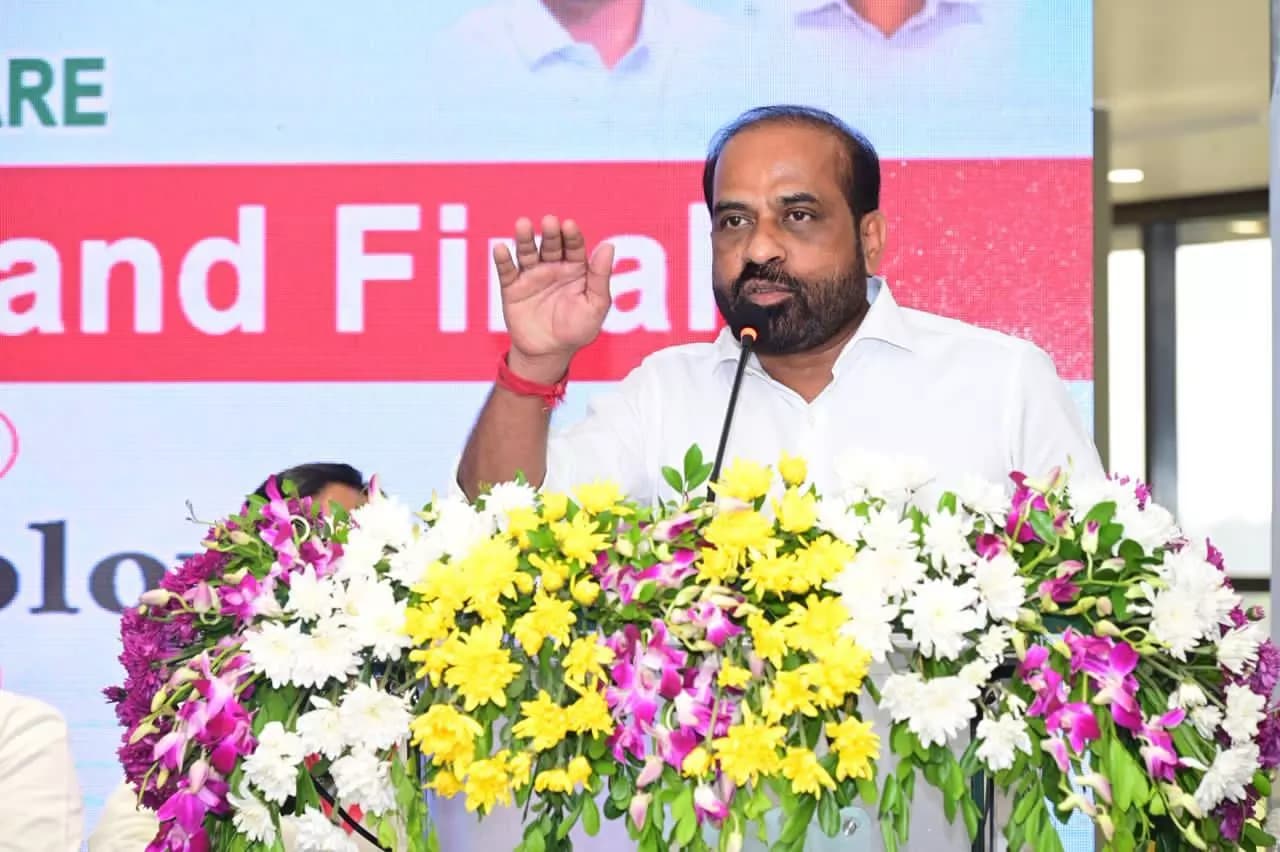
Thiruvananthapuram, Kerala: The state of Kerala has launched a bold anti-corruption initiative called 'Project Zero,' aiming to transform the state into a completely corruption-free zone. The project was announced by Ramesh Chennithala, Kerala's Home Minister, during an address at the Vigilance and Anti-Corruption Bureau headquarters.
Comprehensive Campaign Against Corruption
The comprehensive initiative focuses on tackling corruption at all levels of administration with public participation. Chennithala emphasized the zero-tolerance policy towards corrupt practices and stated that 'Together, let's build a corruption-free Kerala.' The government's objective is to ensure efficient service delivery without the necessity for bribes.
Chennithala assured that mechanisms would be in place for public complaints of corruption, noting that identity protection would safeguard informants. He also highlighted that strict vigilance measures would oversee corrupt officials and leaders, warning that no one participating in such activities will escape consequences. To combat rising cyber crimes, strong measures are being drafted to prevent technologically driven corrupt practices.
According to the minister, the project's ultimate goal is not just reactionary but preventive, with a proactive stance from the Vigilance Bureau as a primary deterrent. Additionally, the 1969 Vigilance Manual will undergo revisions to align with current requirements, and more 'trap' cases will be registered in response to intensified anti-corruption efforts.
'If the project gets adequate support from people, it will become a revolution in the state,' Chennithala concluded. Kerala's residents can expect a significant shift towards ethical governance as initiatives like these gain traction and momentum from public engagement.