Cyclospora Outbreak: What to Know About the Current Parasite Surge

A significant outbreak of cyclosporiasis, a parasitic infection, has hit the U.S. with over 2,800 reported cases. Health officials suspect contaminated salad greens and lettuce are the primary cause. Prevention advice includes thoroughly washing produce and cooking vegetables to kill the resilient parasite.
Read it in Short
QUICK OVERVIEW
Over 2,800 cases of cyclosporiasis have been reported across the United States.

Public health officials are investigating lettuce and salad greens as potential contamination sources.

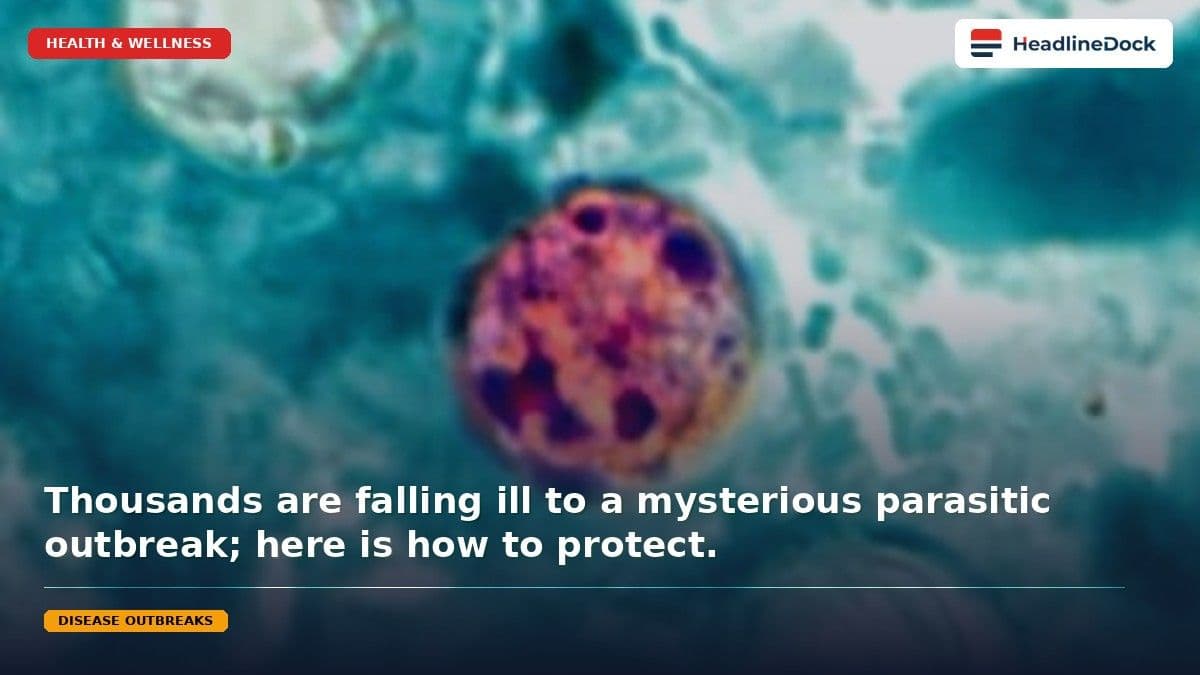
The parasite, Cyclospora cayetanensis, is primarily spread through contaminated food or water.

Prevention methods include thoroughly washing fresh produce and cooking vegetables at high temperatures.
Public health authorities are currently managing a significant surge in cyclosporiasis, a parasitic infection triggered by the microscopic parasite Cyclospora cayetanensis. This outbreak of explosive diarrhea and related gastrointestinal distress has affected over 2,800 people across the United States. While no fatalities have been documented, the scale of the illness has prompted intensified investigations by the Centers for Disease Control and Prevention (CDC) and the Food and Drug Administration (FDA) to identify the exact source of contamination.
What is the cause of the Cyclospora outbreak?
Early findings from health departments, particularly in Michigan, indicate that fresh produce, specifically salad greens and lettuces, may be the potential source of the infections. However, officials emphasize that no specific grower, supplier, or single food item has been definitively confirmed as the culprit. Because Cyclospora has a lengthy incubation period—often around two weeks—pinpointing the exact food or water source through epidemiological interviews remains a challenging and time-consuming process.
The parasite spreads through the consumption of food or water contaminated with feces. While it is rarely life-threatening for individuals with healthy immune systems, the symptoms, which include severe watery diarrhea, stomach cramps, nausea, and weight loss, can be persistent and debilitating if left untreated.
How to protect yourself and prevent infection
In response to the rising case numbers, health officials have issued specific guidelines to minimize the risk of contracting this parasitic infection. Consumers are advised to handle fresh produce with extreme care. Recommendations include purchasing whole heads of lettuce instead of pre-washed bagged varieties, discarding the outer layers of leaves, and thoroughly rinsing all produce under clean, running water. For those concerned about safety, cooking vegetables to at least 158 degrees Fahrenheit effectively kills the parasite.
It is important to note that while cases continue to grow in regions like New York and Ohio, the situation is not currently classified as a national health emergency. Health professionals advise anyone experiencing persistent diarrheal symptoms that do not subside within a few days to seek medical attention for testing and potential antibiotic treatment.
Frequently Asked Questions
Is Cyclospora contagious from person to person?
No, direct person-to-person transmission is considered highly unlikely. The parasite is primarily spread by ingesting food or water that has been contaminated with feces.
What are the common symptoms of cyclosporiasis?
The hallmark symptom is watery diarrhea, which is often described as frequent and explosive. Other common symptoms include loss of appetite, stomach cramps, muscle aches, vomiting, nausea, and persistent fatigue.
Source Statement
This briefing is distilled from the original source to provide you with clear, structured insights for immediate value.
Read the full source story: Parasite Causing Explosive Diarrhea Sparks Large US Outbreak, Parasite Causing Explosive Diarrhea Sparks Large US Outbreak, Parasite Causing Explosive Diarrhea Sparks Large US Outbreak