Understanding the Growing Cyclosporiasis Parasite Outbreak in the United States

A significant outbreak of the parasitic illness cyclosporiasis is impacting 31 US states, with Michigan reporting the highest numbers. Health experts advise thorough cleaning of raw produce to prevent infection, as the parasite spreads through contaminated food and water, causing persistent, watery diarrhea.
Read it in Short
QUICK OVERVIEW
The US is facing a widespread outbreak of cyclosporiasis, a parasitic intestinal infection currently affecting 31 states.

Michigan has reported nearly 1,000 cases, with additional significant spikes observed in states like Ohio and New York.

The parasite is transmitted through contaminated food or water, often linked to raw produce like lettuce, herbs, and berries.
While usually not life-threatening, the infection can cause weeks of watery, explosive diarrhea requiring medical treatment.
A significant health concern is spreading across the United States as an outbreak of cyclosporiasis, a parasitic infection, continues to grow. Health authorities from the Centers for Disease Control and Prevention (CDC) have confirmed that thousands of cases have been reported in recent weeks, with the impact reaching 31 states. Michigan has been identified as a hotspot, recording nearly 1,000 cases in a short timeframe, marking it as one of the largest such outbreaks in the state's history.
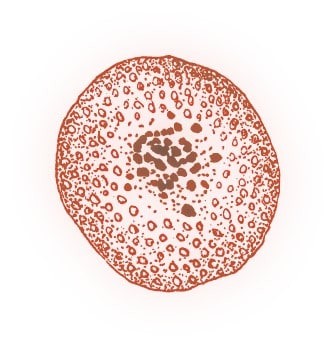
The infection is caused by Cyclospora cayetanensis, a microscopic parasite that typically thrives in warm weather. According to public health experts, the primary symptom is frequent, watery, and often explosive diarrhea. While the illness is generally not life-threatening, it can be persistent, with symptoms lasting from a few days to over a month if left untreated. Patients are often treated with antibiotics to combat the infection.
How does the cyclosporiasis parasite spread and how to protect yourself?
The transmission of the cyclosporiasis parasite is primarily fecal-oral, occurring when an individual consumes food or water contaminated with the organism. It is important to note that person-to-person transmission does not occur. The infection is often linked to raw produce, such as fresh leafy greens, cilantro, basil, and berries, which may have been exposed to contaminated irrigation water. Because these items are frequently consumed raw, trace-back investigations are notoriously difficult, as the source is often identified long after distribution.
To reduce the risk of infection, health officials emphasize rigorous food safety habits. When handling raw produce, consumers are advised to thoroughly wash items under running water. For items like lettuce, experts suggest purchasing whole heads rather than pre-washed or bagged mixes, and removing the outer layers of leaves. When possible, cooking vegetables can further mitigate the risk of contracting the illness. If you experience persistent diarrhea, you are encouraged to consult a medical professional immediately to discuss diagnostic testing.
Frequently Asked Questions
How is cyclosporiasis diagnosed and treated?
Diagnosis typically requires a healthcare provider to order specific stool tests, as standard foodborne illness screenings may not detect the parasite. Treatment usually involves a prescribed course of antibiotics to clear the infection from the intestines.
Is the current outbreak considered a national emergency?
While the number of reported cases has surged significantly compared to previous years, health officials do not currently classify the situation as a national emergency. Ongoing monitoring and investigation remain a priority for the CDC and state health departments.
Source Statement
This briefing is distilled from the original source to provide you with clear, structured insights for immediate value.
Read the full source story: Understanding the Growing Cyclosporiasis Parasite Outbreak in the United States
Read the full source story: Understanding the Growing Cyclosporiasis Parasite Outbreak in the United States