New York City Health Officials Address Growing Legionnaires’ Disease Cluster in Manhattan

New York City health officials are investigating a cluster of 14 Legionnaires’ disease cases on the Upper East Side. Authorities are testing cooling towers to identify the source and urging residents who visited the east side of Central Park to monitor for symptoms.
KEY TAKEAWAYS
1 MIN READ- Confirmed cases of Legionnaires’ disease on Manhattan’s Upper East Side have reached 14.
- Health officials are investigating local cooling towers as the potential source of the bacterial outbreak.
- Residents who visited the east side of Central Park since late June should monitor for flu-like symptoms.
- The disease is not spread through tap water, bathing, or indoor home air conditioning units.
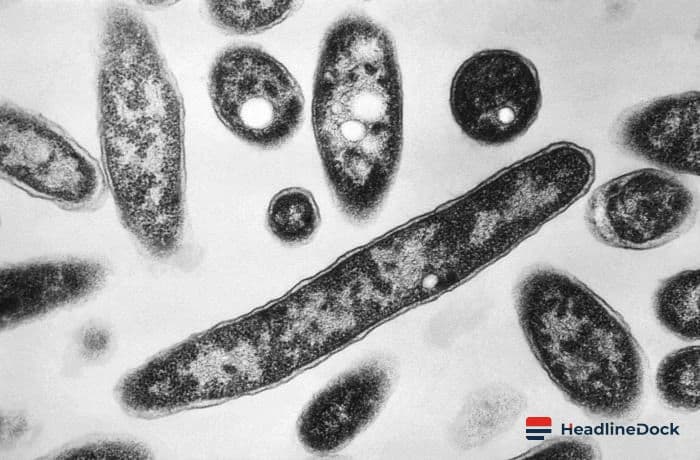
Health authorities in New York City have issued a formal advisory after confirming an increase in cases of Legionnaires’ disease on the Upper East Side of Manhattan. As of the most recent report, 14 individuals have been diagnosed with the illness, which is a severe form of pneumonia caused by the Legionella bacteria.
The cluster of cases is primarily concentrated within ZIP codes 10028, 10128, and 10075. Local officials are urging members of the public who have spent time along the eastern side of Central Park—specifically the area between East 76th Street and East 97th Street—since late June to remain vigilant. If anyone who has visited or resides in these neighborhoods begins to experience flu-like symptoms such as high fever, persistent cough, chills, or muscle aches, they are encouraged to seek medical attention immediately.
Investigation Into the Source of Legionnaires’ Disease
The NYC Health Department, led by Commissioner Dr. Alister F. Martin, has launched a comprehensive investigation to pinpoint the origin of the outbreak. While the exact source has not yet been determined, environmental specialists are currently testing cooling towers throughout the affected area. Cooling towers, which are commonly located on building rooftops, can sometimes disperse mist that carries Legionella bacteria if not properly maintained.
Officials have sought to reassure the public that the outbreak is not linked to internal building plumbing systems or common indoor air conditioning units. Residents in the affected neighborhoods have been told it remains safe to consume tap water, bathe, and utilize standard home air conditioning systems. The city’s health team continues to perform rigorous testing and monitoring to ensure the safety of the local community.
Legionnaires’ disease is not contagious from person to person but is contracted by inhaling small droplets of contaminated water. The rapid identification of this cluster, which began with just two reported cases, has allowed health workers to act decisively to limit further spread. Authorities are promising to provide ongoing updates to the public as the epidemiological investigation moves forward.