US Intelligence Reveals Iran Has Capability to Shut Strait of Hormuz at Will
A recent US intelligence report indicates Iran has acquired the capability to close the Strait of Hormuz at will, highlighting significant regional security risks. Despite a newly signed agreement, uncertainty persists regarding the potential for disruption to this critical global maritime chokepoint.
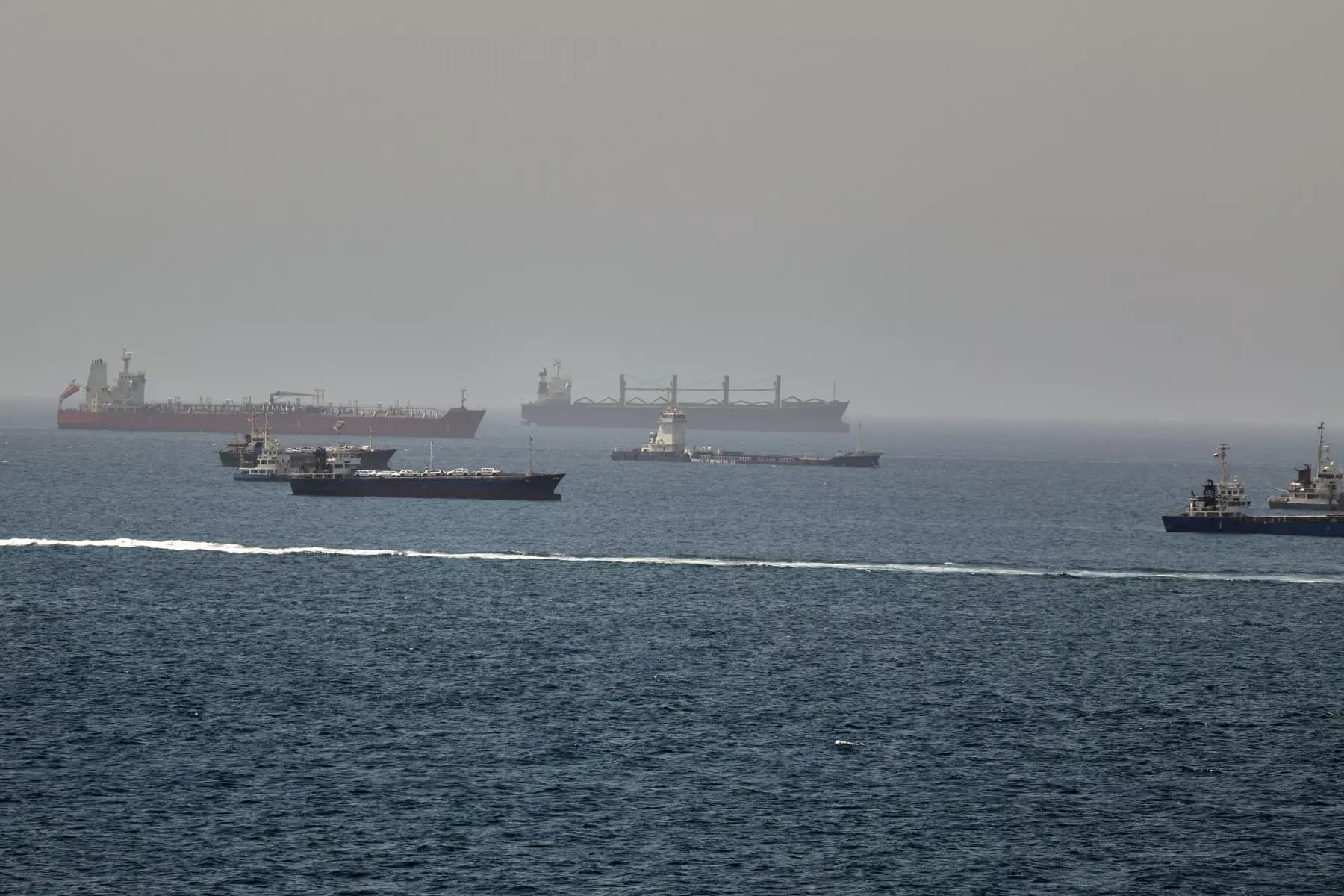
Highlights
- •US intelligence assesses that Iran now has the capability to shut the Strait of Hormuz at will.
- •The assessment follows Iran's demonstrated ability to target regional energy infrastructure and military bases.
- •US Vice President JD Vance stated the deal aims to prevent nuclear weapon development and keep the strait open.
- •President Donald Trump confirmed the agreement is signed but the full text has not yet been released.
New reports indicate that United States intelligence agencies have assessed that Iran now possesses the strategic capability to close the Strait of Hormuz at its discretion. This intelligence finding emerges in the wake of recent regional tensions, highlighting critical concerns regarding the security of one of the world's most vital maritime chokepoints.
The assessment suggests that Iran's potential to disrupt global economic stability through this key waterway remains a pressing issue, even following the development of a framework agreement between Washington and Tehran. Officials familiar with the intelligence information have noted that Iran has gained significant leverage by demonstrating the ability to target energy infrastructure across Gulf nations and strike US military installations in neighboring countries.
Strategic Implications of the Strait of Hormuz Assessment
The implications of this newfound control are profound for international security and energy markets. One source close to the intelligence community reportedly described this development as granting Iran de facto authority over the strait, characterizing it as a weapon that could be more impactful than traditional nuclear capabilities. This shift underscores the high stakes involved in diplomatic efforts to ensure the passage remains open for international shipping.
Regarding the status of the recently developed agreement, US Vice President JD Vance emphasized that the deal aims to prevent Iran from developing a nuclear weapon while ensuring the Strait of Hormuz remains accessible. He noted that the agreement is predicated on Iran's future conduct, with potential benefits available if the nation adheres to established terms, though specific details remain undisclosed.
Despite the formal signing of the agreement by US President Donald Trump on Sunday, the full text has yet to be made public, leaving various stakeholders in uncertainty. While President Trump has expressed a desire to release the document in a formal setting, citing it as a significant achievement, the lack of transparency has caused concern among some legislators and international partners. For now, shipping industry experts suggest that the persistent uncertainty and broader regional risks may continue to restrict traffic through the Strait of Hormuz for an extended period.
This assessment emphasizes the complex nature of ongoing negotiations and the delicate balance of power in the region. The ability to influence traffic through such a critical corridor continues to be a central point of leverage for Tehran in its dealings with international powers, shaping the geopolitical landscape as world leaders monitor the implementation of these new policy frameworks.