Toyota Accelerates Electric Vehicle Strategy With Massive Global Investment Plans
Toyota has announced significant strategic investments to expand its global electric vehicle lineup. By focusing on advanced battery technology and improved infrastructure, the company aims to lead in sustainable mobility while addressing consumer needs for better range and faster charging solutions.

Highlights
- •Toyota announces major investments to expand its global electric vehicle portfolio.
- •New battery technology will focus on improving driving range and reducing charging times.
- •The shift includes restructuring supply chains for sustainable and ethical manufacturing.
- •Automotive companies are collaborating with governments to improve charging infrastructure networks.
The global automotive industry is witnessing a significant transformation as major manufacturers accelerate their shift toward sustainable energy solutions. Leading the charge, Toyota Motor Corporation has officially announced a series of strategic investments aimed at expanding its portfolio of electric vehicles globally. This move reflects a broader commitment to carbon neutrality and a response to the growing consumer demand for eco-friendly mobility options.
As the market for electric vehicles continues to evolve, Toyota plans to integrate advanced battery technology across its new lineup. These developments are expected to enhance driving range and reduce charging times, addressing two of the primary concerns currently held by potential buyers. By focusing on both hybrid and battery-powered models, the company aims to offer versatile choices that cater to various geographic markets and infrastructure requirements.
Strategic Shift Toward Sustainable Electric Vehicles
Industry analysts note that this transition marks a pivotal moment for traditional automotive giants. By dedicating substantial capital to the research and development of electric vehicles, major firms are positioning themselves to remain competitive against emerging tech-first manufacturers. This strategic pivot involves not only vehicle design but also the restructuring of supply chains to prioritize ethically sourced materials and sustainable manufacturing practices.
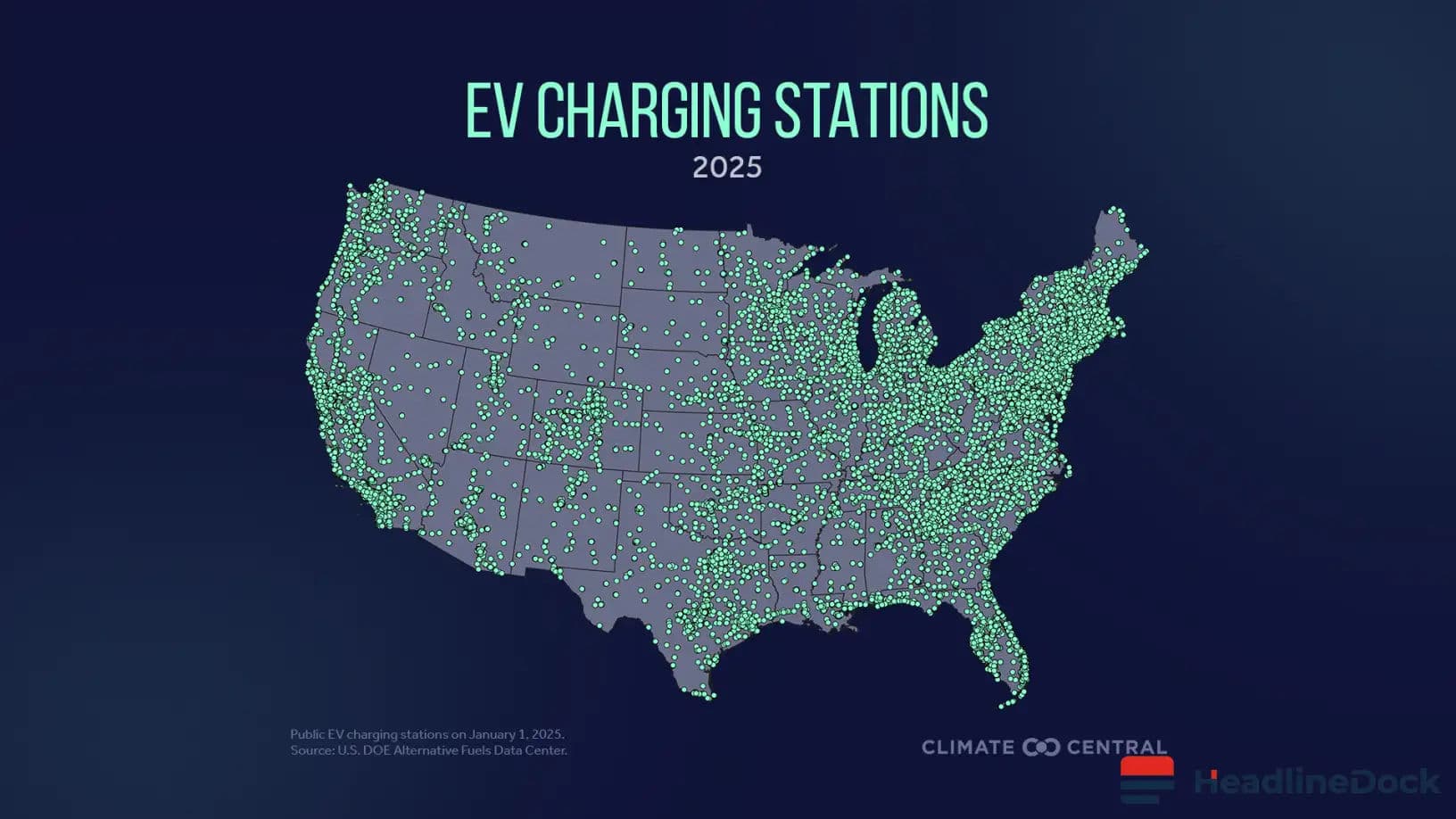
Furthermore, the infrastructure surrounding electric vehicles is undergoing rapid expansion. Collaborations between automotive companies and local governments are becoming increasingly common, facilitating the installation of robust charging networks in urban centers. This collaborative ecosystem is essential for widespread adoption, ensuring that drivers have reliable access to energy regardless of their location.
Looking ahead, the commitment to electric vehicles is expected to drive innovation in software integration, autonomous driving features, and smart energy management. As Toyota and its competitors refine their technological offerings, the automotive landscape is likely to become more efficient, connected, and environmentally responsible. The focus remains on providing high-performance alternatives to internal combustion engines without compromising on reliability or affordability for the end consumer.
As global regulations tighten regarding emissions standards, manufacturers are under increased pressure to deliver cleaner transportation solutions. The ongoing investment in electric vehicles signifies a proactive approach to meeting these environmental targets. By leveraging decades of engineering expertise, established manufacturers are now scaling their production capabilities to meet the projected surge in global demand for cleaner, smarter, and more sustainable personal and commercial transportation options.