The Rise of the Electric SUV: Trends Shaping Future Mobility
The automotive industry is experiencing a major shift as electric SUVs gain popularity. Driven by improvements in battery technology, charging infrastructure, and interior design, these vehicles are becoming a practical and attractive choice for consumers, setting new standards for sustainable mobility and performance.

Highlights
- •Electric SUVs are rapidly becoming the preferred choice for consumers seeking performance and sustainability.
- •Advancements in battery technology and fast charging are effectively reducing range anxiety for modern drivers.
- •The shift toward electric powertrains is enabling more spacious, innovative interior designs in modern SUVs.
- •Increasing production scales are expected to make high-tech electric vehicles more affordable for the general public.
As the electric vehicle market continues to evolve, the competition in the SUV segment has reached new heights. Manufacturers are increasingly focusing on delivering advanced features that appeal to modern consumers looking for a blend of performance, sustainability, and cutting-edge technology. The current shift toward electric SUV models represents a significant milestone in automotive history, promising a cleaner future for transportation.
Transforming the SUV Landscape with Electric Innovation
The rise of the electric SUV is not merely a trend; it is a fundamental transformation of how people perceive mobility. Consumers are no longer willing to compromise on power or comfort to achieve environmental goals. Automotive giants are responding by integrating high-capacity battery packs, rapid charging capabilities, and sophisticated infotainment systems into their latest releases. These vehicles offer enhanced torque, quiet operation, and lower long-term maintenance costs, making them an attractive proposition for both urban commuters and adventure enthusiasts.
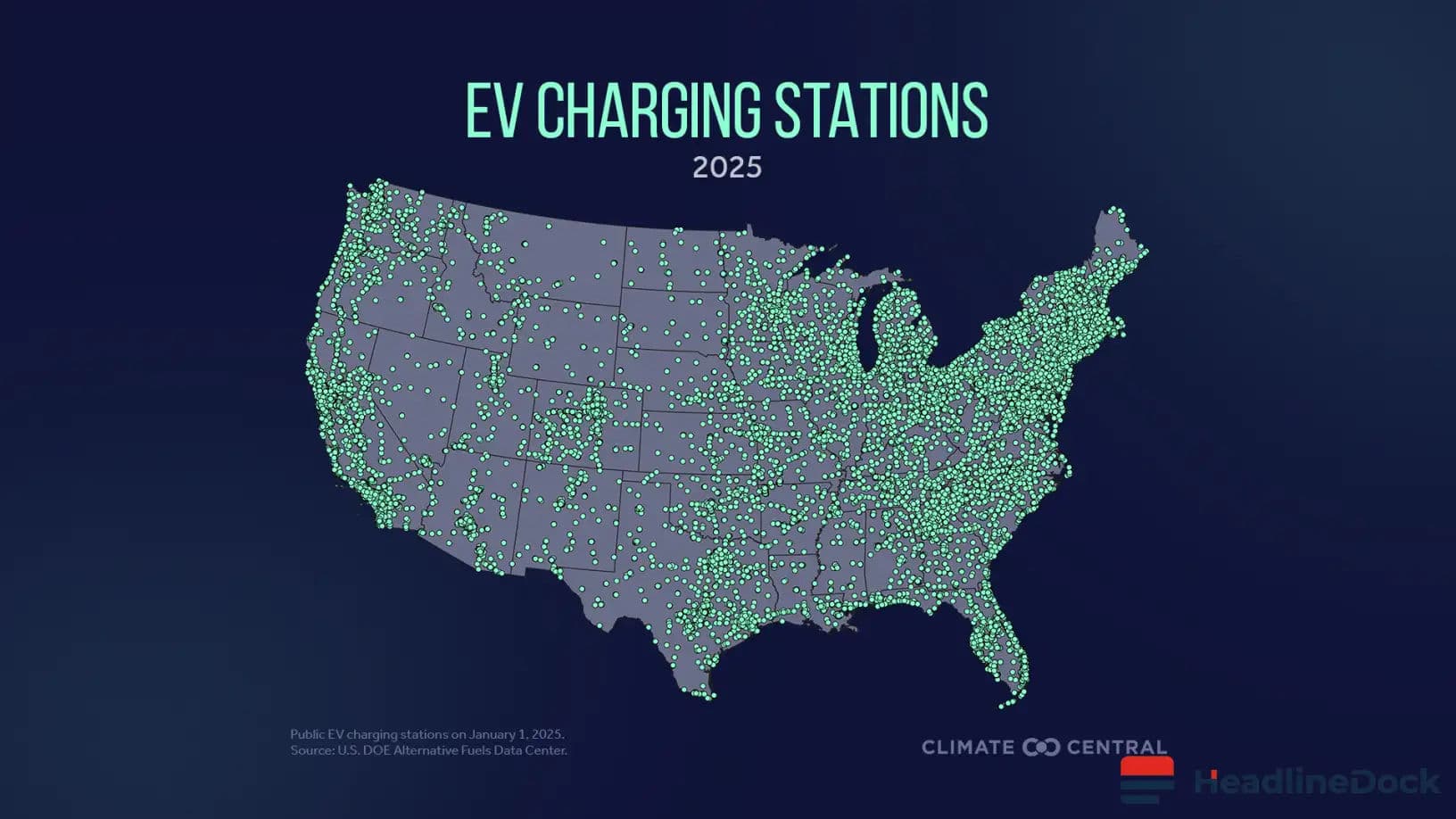
Furthermore, the infrastructure surrounding electric SUV models is improving rapidly, addressing one of the primary concerns for potential buyers: range anxiety. Increased investment in charging networks ensures that long-distance travel is becoming increasingly feasible. As technology matures, the efficiency of power management systems continues to set new benchmarks, allowing these vehicles to travel further on a single charge than ever before.
Future Outlook and Consumer Impact
The impact of this shift is profound. Beyond the environmental benefits, the transition to electric powertrains allows for more innovative interior designs, as the absence of traditional combustion engine components opens up significant cabin space. Manufacturers are leveraging this flexibility to introduce premium comfort features previously reserved for luxury vehicles. As production scales up, economies of scale are expected to drive down the cost of these technologies, making them accessible to a broader demographic.
Industry experts emphasize that the long-term viability of the electric SUV market rests on continued innovation in solid-state batteries and intelligent software integration. As these advancements move from experimental phases to mass production, consumers can expect a wider variety of models that do not just meet regulatory requirements but exceed performance expectations. The era of high-performance, eco-conscious family vehicles is clearly here to stay, reshaping the global automotive landscape for years to come.