The Rapid Rise of Electric Vehicles and the Future of Green Mobility
The transition to Electric Vehicles is gaining momentum globally, supported by rapid advancements in battery technology, improved charging infrastructure, and favorable government policies. This shift is redefining personal transportation, offering users a more efficient, cost-effective, and environmentally sustainable alternative to traditional combustion engine vehicles.

Highlights
- •Electric vehicles are seeing widespread adoption due to technological advancements and government incentives.
- •Expanded charging infrastructure is making EVs a more practical choice for everyday travel.
- •Manufacturers are heavily investing in battery development to improve range and reduce charging times.
- •Smart technology integration provides users with enhanced control and monitoring of their vehicles.
The automotive landscape is undergoing a significant transformation, and the emergence of Electric Vehicles (EVs) is at the heart of this global shift. As manufacturers increasingly pivot toward sustainable mobility, consumers are faced with a plethora of choices that promise reduced emissions and lower operational costs. Understanding the current market trends is essential for anyone considering the switch to a greener form of transport.
The Rising Popularity of Electric Vehicles
The adoption of Electric Vehicles has accelerated rapidly over the past few years, driven by advancements in battery technology and improved charging infrastructure. Major automotive giants are investing billions into research and development to make these vehicles more affordable and efficient for the average consumer. This shift is not just about environmental consciousness; it is about performance, lower maintenance requirements, and the integration of cutting-edge technology in daily travel.
Market analysts suggest that the next few years will be critical for the mass adoption of EVs. Governments worldwide are introducing subsidies and tax incentives to encourage this transition, making it an attractive proposition for families and commercial fleets alike. The competition among brands is fostering innovation, resulting in longer driving ranges and faster charging times that address many of the initial concerns held by prospective buyers.
Impact of Green Mobility Infrastructure
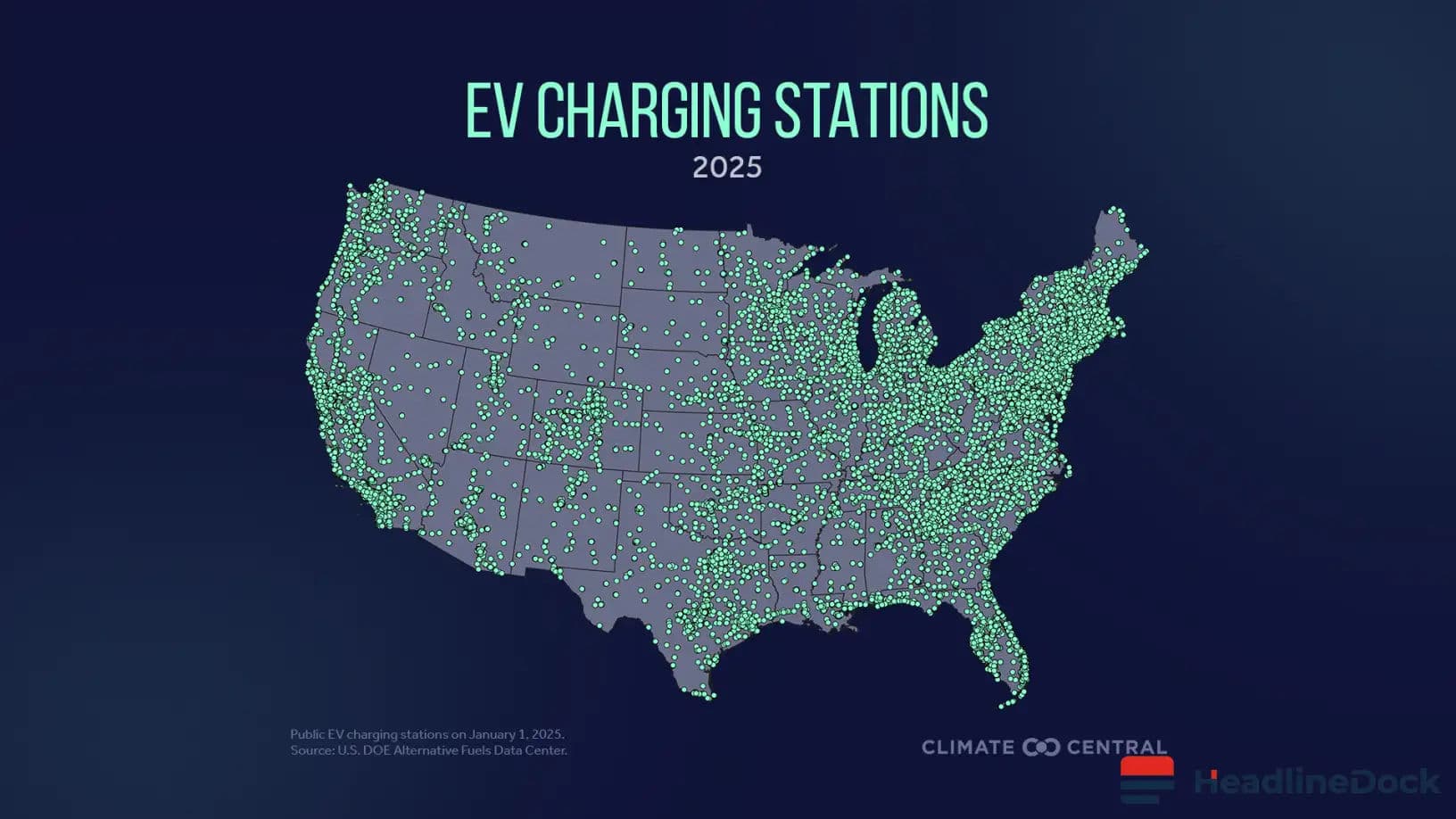
A key component of this revolution is the expansion of charging networks. The growth of robust infrastructure ensures that Electric Vehicles are becoming a practical alternative to traditional internal combustion engine cars. From residential charging stations to public fast-charging hubs, the accessibility of energy is improving constantly. As this ecosystem matures, the convenience gap between conventional vehicles and their electric counterparts continues to shrink.
Furthermore, the integration of smart technology allows owners to manage charging sessions remotely, optimize energy usage, and monitor vehicle health through dedicated applications. This digital synergy enhances the overall ownership experience, solidifying the position of EVs as the future of personal and public transportation. With ongoing improvements in battery chemistry and material science, the efficiency of these vehicles is expected to reach new heights, ultimately contributing to a more sustainable global economy and cleaner urban environments.