Special Intensive Revision: Nearly Six Crore Voter Names Deleted in One Year
The year-long Special Intensive Revision of electoral rolls has led to the deletion of approximately six crore voters nationwide. While the Supreme Court has upheld the exercise's validity, the process continues to trigger debate regarding potential disenfranchisement and the linkage of voter data to welfare.
Highlights
- •The Special Intensive Revision of electoral rolls has completed one year, leading to the removal of nearly six crore voter names across India.
- •A Supreme Court ruling in March unanimously upheld the constitutional validity of the Election Commission's voter roll cleanup exercise.
- •The process resulted in a 10.2 percent reduction in the voter base across 12 states and Union territories, with millions of deceased and contested entries removed.
- •The third phase of the exercise is currently ongoing, covering 367.3 million voters across 16 states and three Union territories.
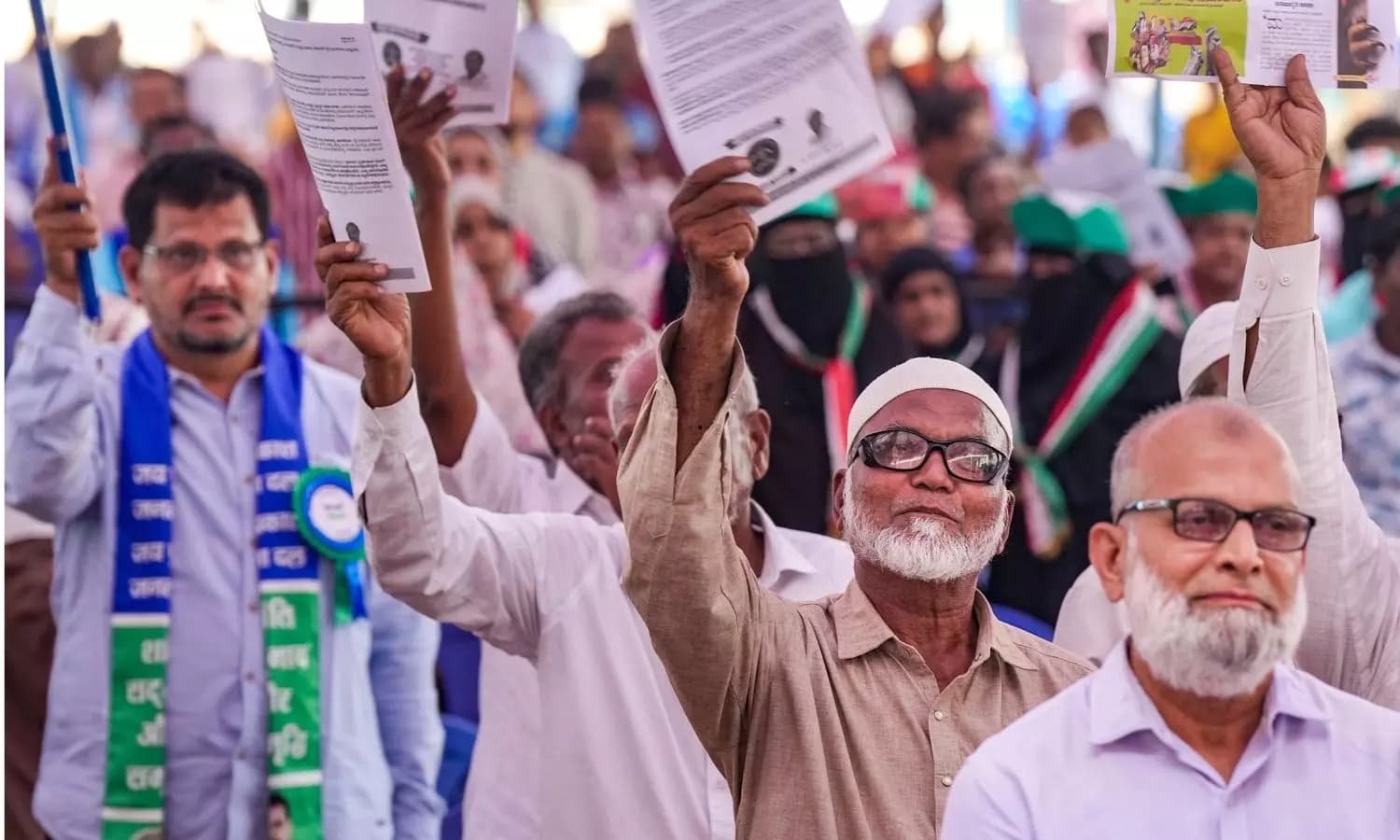
The Special Intensive Revision (SIR) of electoral rolls has reached a significant milestone, completing one year of implementation. This extensive poll roll cleanup exercise, which aims to verify and update voter information, has sparked considerable debate between the Election Commission (EC) and opposition parties while impacting the electoral landscape across 19 states and Union territories. Throughout this period, concerns regarding the process have centered on the mass removal of voter names.
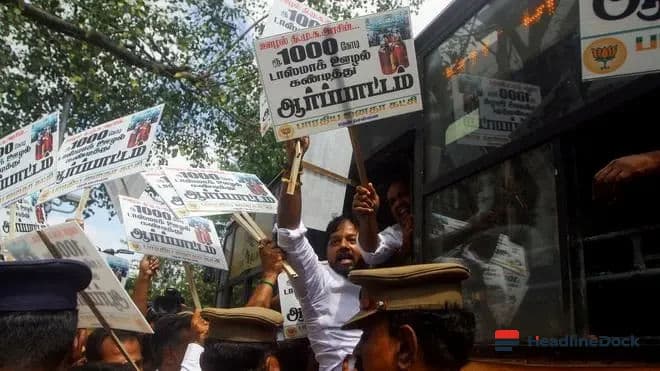
The initiative originally began as a pilot program in Bihar on June 24 of the previous year, shortly before state assembly elections. Following this initial phase, the Bihar voter list experienced a reduction of nearly 6.5 million entries. Critics, including political opposition groups and various activists, have alleged that the poll authority's actions were influenced by the BJP, potentially disenfranchising citizens who lacked specific documentation.
Impact of the Special Intensive Revision
The controversy surrounding the Special Intensive Revision extended to the courtroom, with the Supreme Court issuing a unanimous ruling in March that upheld the constitutional validity of the Election Commission to conduct the SIR. Following the exercise, some state governments, notably West Bengal and Bihar, have begun linking this updated voter roll data to social security benefits, effectively excluding individuals whose names were removed during the process from receiving certain state welfare support.
In the second phase, launched on October 27, the exercise covered several regions including Uttar Pradesh, West Bengal, Tamil Nadu, Rajasthan, Chhattisgarh, Kerala, Puducherry, Andaman and Nicobar Islands, Lakshadweep, Gujarat, Madhya Pradesh, and Goa. The combined voter base across these areas, initially exceeding 509.9 million, was reduced by approximately 10.2 percent to 458.1 million. This resulted in the removal of over 51.8 million names. Of those deletions, approximately 6.69 million were identified as deceased electors, with the highest concentration recorded in Uttar Pradesh (2.55 million) and West Bengal (2.42 million). An additional 6.32 million names were struck from the rolls following formal objections and adjudication during the SIR process.
Currently, the third phase of the Special Intensive Revision is underway, involving 367.3 million voters across 16 states and three Union territories, including Andhra Pradesh, Haryana, Karnataka, Maharashtra, and the National Capital Territory of Delhi. This phase, which commenced on May 14, is expected to conclude later this year. To promote public understanding of the administrative process, the SIR has now been incorporated into NCERT Social Science textbooks as an effort to ensure the accuracy and integrity of electoral rolls.