Manipur Turmoil Intensifies: Urgent Call for Union Government Intervention
The ongoing Manipur turmoil is intensifying as Naga groups enter the conflict between Meitei and Kuki-Zo communities. There is an urgent need for the Union government to move beyond its passive approach and provide decisive, balanced leadership to address the grievances and restore peace in the region.
The state of Manipur has been engulfed in unrest for the past three years, with recent developments signaling a worrying escalation following the involvement of Naga tribespeople in the regional turmoil. The precarious social harmony, already fractured by persistent clashes between the dominant Meitei community in the plains and the Kuki-Zo tribes residing in the hills, faces further deterioration. There is an urgent call for the Union government to abandon its passive stance and provide active support to local authorities in addressing both the immediate violence and the underlying socio-political issues.
Escalating Violence and Regional Instability
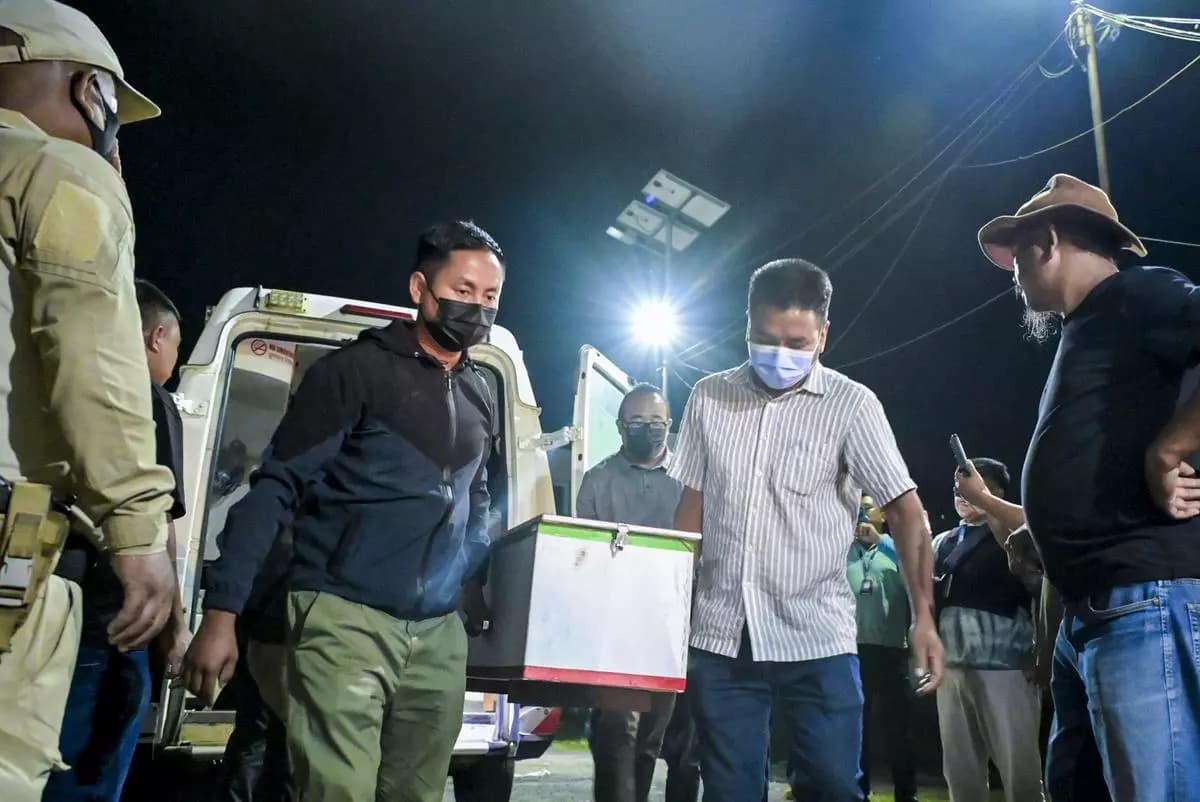
Since the conflict erupted on May 3, 2023, following a protest march by the Kuki-Zo community against a high court ruling regarding reservation status for the Meitei people, the region has struggled to find peace. The latest reports indicate a dangerous expansion of hostilities, now involving Naga and Kuki groups. Recent incidents, including a tragic explosion in a Naga village that resulted in the deaths of two children, and the discovery of six bodies belonging to individuals allegedly kidnapped by Kuki factions, highlight the gravity of the situation.
India is widely celebrated for its rich, multifaceted cultural diversity, particularly in the Northeast, where countless communities have preserved unique lifestyles for millennia. While modern democratic governance is designed to accommodate these diverse identities, the current Manipur turmoil tests the resilience of these systems. Historically, the nation has successfully managed various internal challenges by embracing its pluralistic nature as a cornerstone of its survival as a republic.
The Need for Decisive Federal Intervention
Unfortunately, political opportunists often exploit societal fault lines to sow further division, mirroring the divide and rule strategies seen in totalitarian regimes. History has shown that when communities succumb to internal conflict, the national cost is immense, as previously observed during periods of instability in Punjab and Kashmir. The current reluctance of the central authorities to effectively intervene in the Manipur turmoil mirrors these past instances of administrative neglect.
While the state government has attempted to facilitate dialogue among warring factions—often facing backlash from the majority community—and the armed forces have stepped up efforts to maintain order, a coordinated national strategy is required. It is time for the Union government to clearly signal that violence cannot be a legitimate tool for grievance redressal. By adopting a balanced approach and listening to the concerns of all stakeholders, the central administration must prioritize restoring peace and ensuring that residents of this border state can live without the constant shadow of fear.
,curated_key_highlights:[