Humanitarian Concerns Rise at Epping Repatriation Centre Amid Massive Migrant Departure

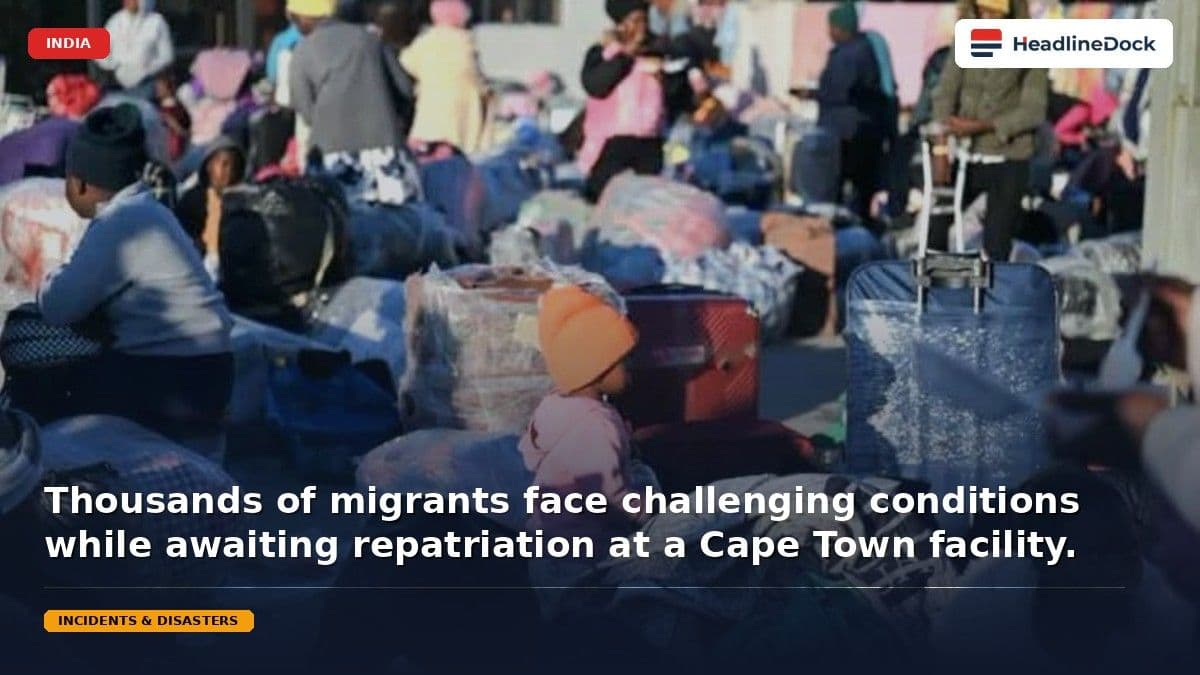
Humanitarian concerns are growing at the Epping Repatriation Centre in Cape Town, where thousands of migrants are awaiting processing. Humanitarian groups are providing essential aid as the government manages an unprecedented scale of departures following recent anti-foreigner protests across the country.
Concerns are escalating over the humanitarian conditions at the Epping Repatriation Centre in Cape Town, as thousands of migrants await processing. Reports indicate that while some families have found shelter within government buildings, a significant portion of the population remains in precarious conditions, with many individuals forced to sleep in tents or even out in the open near the facility.
Humanitarian organizations, including the Adventist Development and Relief Agency (ADRA) and Gift of the Givers, have been working tirelessly to mitigate the unfolding crisis. While essential aid such as food, water, blankets, and sanitary supplies is being provided, the physical environment remains challenging. Recent reports describe a scene where the tarmac was left littered with refuse following a disorganized evacuation process, highlighting the severe lack of adequate infrastructure for such a massive operation.
Addressing the Humanitarian Crisis at Epping
The situation at the Epping Repatriation Centre has become a focal point of ongoing efforts to manage the departure of thousands of foreign nationals. Gift of the Givers, which has been providing critical logistical and humanitarian support, has pledged to maintain its presence on the ground until all remaining individuals have been safely assisted. Current estimates suggest that approximately 1,500 people are currently waiting for processing at this specific site.
National government officials have acknowledged the scale of the challenge, labeling the situation a massive operation. Home Affairs Minister Leon Schreiber recently reported that tens of thousands of individuals have already moved through border channels, an unprecedented figure. The government has attempted to streamline these departures by directing those needing assistance to authorized repatriation sites equipped with basic ablution facilities, intended to offer a more dignified alternative to previous holding areas like local showgrounds.
The broader context of these movements involves thousands of foreigners choosing to leave the country following a wave of anti-foreigner sentiment and protests. Many are traveling north toward the Beitbridge border with Zimbabwe. Travel routes have been heavily impacted, with long queues of freight trucks and buses noted on the N1 highway. Despite the frustration of lengthy waits and logistical breakdowns, many migrants have expressed a firm commitment to returning home and starting over, as they no longer feel safe or welcome in their current locations. Authorities maintain a heavy presence along these transit routes as the repatriation process continues.
,curated_key_highlights:[