Devastating Terremoto Strikes Venezuela, Leaving Thousands Dead and Cities in Ruins
A rare double earthquake struck Venezuela on June 24, 2026, causing widespread destruction across La Guaira and surrounding regions. With over 1,900 fatalities reported and thousands of buildings destroyed, the nation faces a severe humanitarian crisis compounded by infrastructure and economic instability.
KEY TAKEAWAYS
1 MIN READ- A powerful double earthquake struck Venezuela on June 24, causing widespread destruction and loss of life.
- Official reports confirm over 1,940 deaths and 10,500 injuries, with fears of thousands still missing.
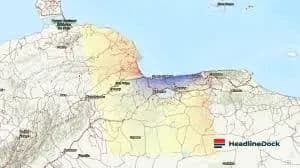
- Satellite data estimates nearly 59,000 buildings were damaged, with La Guaira suffering the most severe impact.
- Experts cite poor construction standards and unstable soil as critical factors that worsened the disaster's outcome.
Following a devastating terremoto event on June 24, 2026, Venezuela continues to grapple with the aftermath of a rare seismic phenomenon. A destructive double earthquake hit the nation, with two major tremors occurring just 39 seconds apart, significantly compounding the structural damage across the northern regions, particularly in La Guaira and near Caracas.
Impact of the Seismic Doublet
The sequence, classified by seismologists as a doublet seismic event, involved tremors of magnitude 7.5 and 7.2. Unlike standard seismic activity where a main shock is followed by aftershocks, these two events were of comparable magnitude and occurred in rapid succession. The proximity of these tremors to the surface and the nature of the local terrain, which includes soft sediment layers, significantly amplified the destruction. Scientific assessments from satellite data, including analysis from the NASA and ISRO, indicate that nearly 59,000 buildings were damaged or destroyed.
The human cost of this terremoto has been severe. As of June 30, official reports confirm over 1,940 fatalities and more than 10,500 injuries. International rescue teams from 27 countries have joined local efforts to search for survivors, though experts suggest the number of people trapped under debris could be as high as 50,000. Infrastructure failures, including the collapse of critical bridges and severe damage to housing projects, have hampered ongoing aid operations.
Infrastructure and Geological Risks
Experts are increasingly scrutinizing the quality of construction in Venezuela, noting that decades of inadequate maintenance and non-compliance with building codes exacerbated the disaster. The state of La Guaira, situated between mountains and the coast, possesses a notoriously unstable geography, making it highly vulnerable to seismic shifts. Engineers point out that many modern housing developments were erected rapidly without sufficient structural integrity checks, leading to widespread collapses that could have been mitigated with stricter oversight.
The economic impact is equally staggering, with initial estimates from international bodies placing direct physical damage at approximately 6.7 billion dollars. Furthermore, the nation's healthcare system, already strained by years of economic instability, is now struggling to manage the influx of patients suffering from crush injuries, renal failure, and trauma. As the region continues to experience hundreds of aftershocks, survivors face ongoing challenges, with government authorities now establishing commissions to evaluate the stability of remaining structures. Ongoing efforts to restore connectivity, supported by satellite technology, remain a priority for coordination of search and rescue operations across the affected zones.