Venezuela Faces Catastrophic Damage Following Devastating Series of Doublet Earthquakes
Venezuela is struggling to cope with the aftermath of severe doublet earthquakes that flattened buildings in La Guaira. While international aid is pouring in, the human toll remains uncertain as rescue teams search for survivors amidst widespread destruction and logistical challenges.
Highlights
- •Twin earthquakes struck Venezuela's La Guaira region between June 24-26, causing massive destruction.
- •International aid from over two dozen nations is being delivered, though narrow access roads are causing logistical delays.
- •Japan, China, and Indonesia also experienced recent seismic activity due to tectonic plate shifts.
- •Casualty estimates for Venezuela remain uncertain, with significant concerns regarding individuals buried under collapsed buildings.
The recent spike in seismic activity across the globe has brought the devastating reality of earthquake destruction to the forefront. Last week, a series of tremors shook Indonesia, China, and Japan, as various tectonic plates shifted over several consecutive days. This geological unrest occurred just days after a pair of doublet earthquakes struck the northeastern coastal region of Venezuela between June 24 and June 26, resulting in significant damage to residential infrastructure and local communities.
Impact of the Venezuela Earthquake
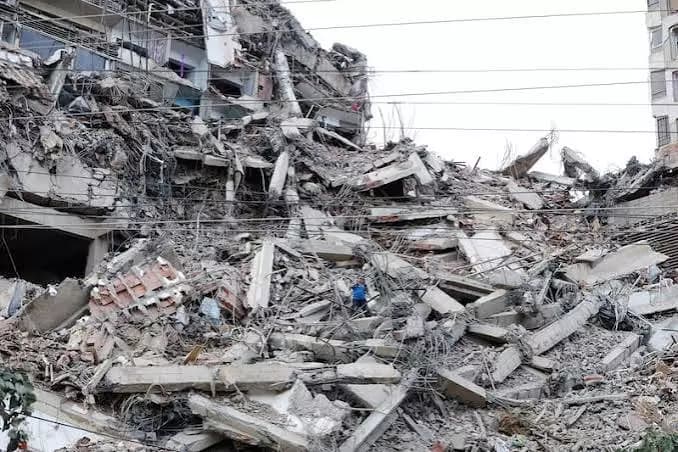
While Japan and Indonesia are located along the Pacific Ring of Fire—one of the most seismically active zones on Earth—the reported human casualties in these regions remained relatively low. In contrast, the situation in Venezuela is far more dire. The twin quakes severely impacted the coastal state of La Guaira, causing widespread destruction. Estimates of the human toll are currently fluid, with fears that the final count could reach several tens of thousands as search and rescue teams continue to navigate the ruins.
Reports indicate that over 125 buildings were flattened in La Guaira, leaving many individuals trapped beneath the debris of fallen apartment complexes. Because the tremors were shallow, the structural integrity of many buildings was compromised instantly, causing them to collapse. The phenomenon of a doublet earthquake—where two major quakes occur in close succession—compounds the devastation, as infrastructure already weakened by the initial shock cannot withstand a secondary, powerful tremor.
The tragedy has triggered a massive international humanitarian response. More than two dozen nations have mobilized to provide essential support, including medical supplies, water, and rescue personnel. However, the logistical challenge of delivering this aid is immense, as the region relies on a single, narrow highway leading to the coast. The high volume of relief traffic has unfortunately led to congestion, potentially hindering the speed of rescue operations.
This unfolding disaster highlights a critical vulnerability in regions lacking robust disaster-resilient infrastructure. While technologically advanced nations like Japan have integrated sophisticated civil engineering standards to mitigate earthquake damage, other parts of the world remain severely exposed to the raw power of nature. As international assistance continues to arrive, the primary focus remains on recovering survivors and providing relief to those who have lost their homes in this catastrophic event.