How a Basic Solar Grant Provides Affordable Electricity to South African Settlements
The Basic Solar Grant project in South Africa is tackling energy poverty by providing subsidized solar electricity to informal settlements. By partnering with private firms, this model offers an affordable, immediate alternative to grid power, supporting both household needs and local community economic growth.
Highlights
- •Nearly 47% of South Africa's population suffers from energy poverty, hindering access to stable and affordable power.
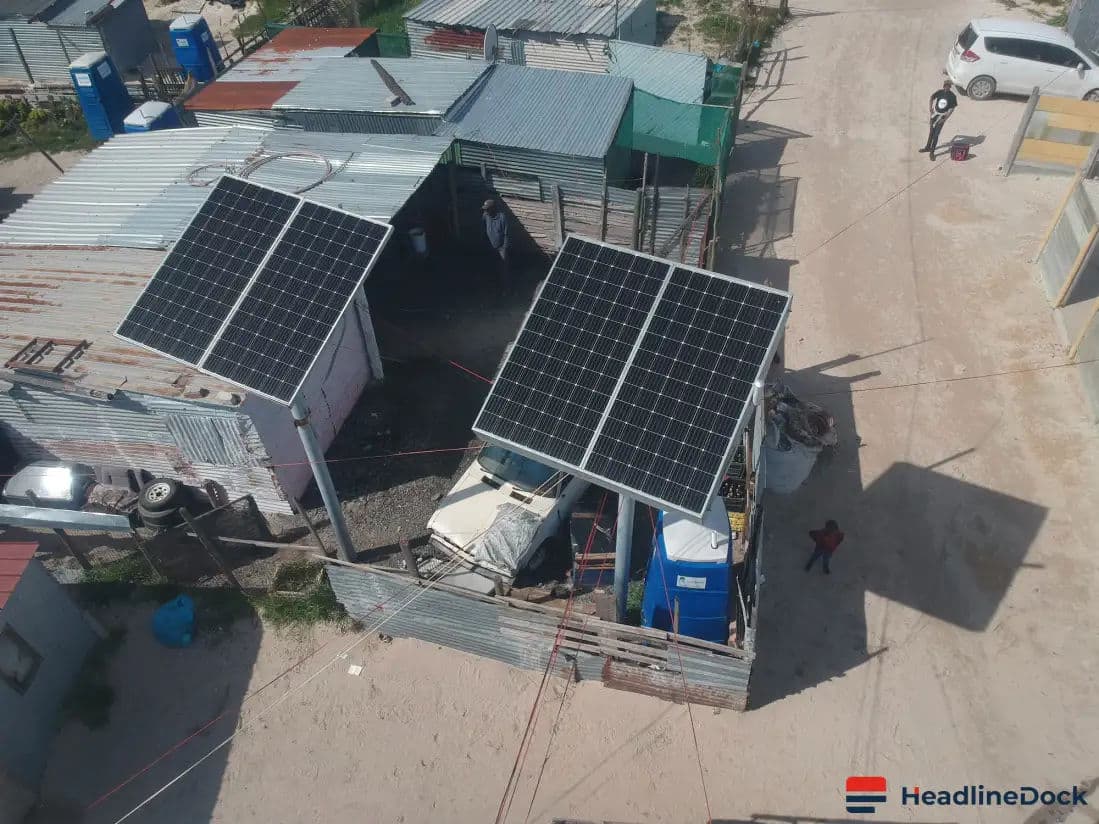
- •The Qandu Qandu settlement project tested solar mini-grids and home units to support local business and energy needs.
- •The Basic Solar Grant project enables informal settlement residents to access free basic electricity through private-sector delivery.
- •Decentralized solar energy provides a faster, lower-cost alternative to traditional grid expansion for growing urban communities.
Energy poverty remains a significant challenge in South Africa, where nearly half of the national population struggles to meet basic electricity needs while spending a disproportionate amount of their income on power. As informal shack settlements continue to expand, particularly following the Covid-19 pandemic, the number of households facing unstable and expensive energy access has risen. This issue highlights the urgent need for flexible, affordable solar electricity solutions in underserved communities.
The Impact of Solar Grants on Energy Access
Recent research focused on Qandu Qandu, an informal settlement located on the outskirts of Khayelitsha, Cape Town. Established in 2018, this community of over 4,000 families faced severe limitations due to a lack of formal grid connections, forcing residents to rely on unsafe energy sources such as candles and paraffin. To address these systemic hurdles, researchers explored how mini-grids and home solar electricity units could support economic development, digital services, and community stability.
A pivotal initiative launched in late 2024, the Basic Solar Grant project, was funded by InnovateUK. This project brought together organizations such as Zonke Energy, the iShack Project, the University of Exeter, and Futures Advisory Limited. By integrating municipal subsidies into the delivery of solar electricity, the model allowed shack residents to finally access free basic energy—an entitlement previously restricted to those with formal grid connections.
Scaling Decentralized Energy Solutions
The Basic Solar Grant model functions by utilizing private solar companies to manage infrastructure, while city governments focus on providing the essential subsidies. This approach provides immediate relief to those in energy poverty without requiring years of waiting for full, traditional grid electrification. As informal settlements grow, this decentralized method offers a cost-effective, adaptable alternative that reduces reliance on hazardous illegal connections.
Looking ahead, the success of this pilot in Qandu Qandu underscores the potential for municipal integration. The City of Cape Town has already signaled intent through its 2050 Energy Strategy to prioritize alternative energy subsidies. By partnering with private solar firms to administer these grants, local governments can enhance energy equity, foster local entrepreneurship, and improve overall living standards in informal urban areas. The project, which is scheduled to run until 2027, serves as a crucial case study for addressing energy poverty in rapidly urbanizing regions.