Hezbollah Supporters Stage Beirut Protests Against New Israel-Lebanon Deal
Hezbollah supporters took to the streets of Beirut on Friday to protest a new framework agreement between Israel and Lebanon. Lawmaker Hassan Fadlallah warned that the deal could lead to civil war, as protestors blocked roads and the army worked to restore order.
Highlights
- •Hezbollah supporters staged motorcycle protests across Beirut against a new Israel-Lebanon framework deal.
- •Lawmaker Hassan Fadlallah warned that attempting to enforce the agreement could potentially spark a civil war.
- •Protesters blocked major roads to the international airport using burning tires, requiring intervention by the Lebanese army.
- •Hezbollah continues to reject direct negotiations with Israel, citing a commitment to regional resistance strategies.
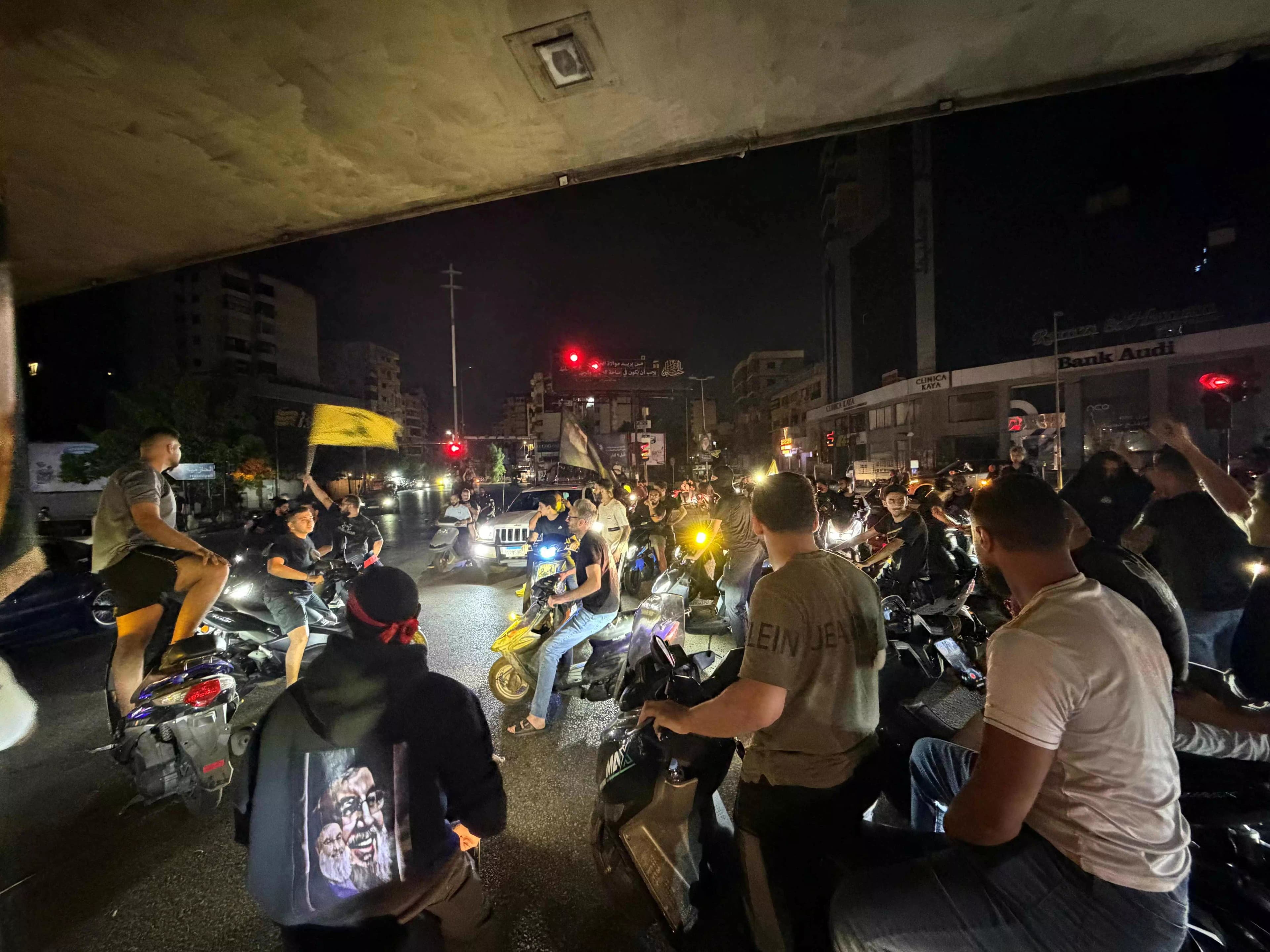
Hezbollah supporters staged disruptive protests in Beirut late Friday, voicing intense opposition to a recently announced framework agreement between Israel and Lebanon. The demonstrations saw significant unrest, including individuals navigating the city streets on motorbikes and mopeds to demonstrate their defiance against the diplomatic move.
Protests Erupt in Beirut Over Israel-Lebanon Agreement
The state-run National News Agency reported that groups of Hezbollah demonstrators, primarily on motorcycles, navigated through central Beirut and along the thoroughfares leading to the city's international airport. This show of force was a direct reaction to the framework deal recently revealed in Washington, which outlines a path forward for negotiations between the two nations. The Lebanese army was forced to establish temporary checkpoints throughout the capital to maintain order as the situation escalated.
Hassan Fadlallah, a lawmaker representing the Iran-backed Hezbollah, issued a stern warning regarding the enforcement of the pact. He argued that the authorities in Lebanon would not be capable of implementing the agreement signed in Washington without effectively pushing the nation toward civil war. Fadlallah further emphasized that the organization remains steadfast in its rejection of direct talks with Israel, claiming that the recent diplomatic efforts are an attempt to undermine established resistance strategies that have historically influenced regional dynamics.
Civil Unrest and Security Measures in Lebanon
The intensity of the Hezbollah supporters was captured on video by local outlets and social media users. Hundreds were seen congregating in the group's stronghold in the southern suburbs of Beirut before mobilizing toward the heart of the capital. In some instances, protesters obstructed primary traffic routes, including the vital road connecting the city to the airport, by setting tires on fire. The Lebanese army was eventually required to intervene, with troops successfully dispersing the crowds and clearing the burning debris to reopen the critical transport links.
The incident highlights the deep internal divisions within the country regarding regional diplomacy. While government officials seek to navigate complex international negotiations, the opposition from Hezbollah suggests a challenging road ahead. The group maintains that without their consent and involvement, the framework agreement will struggle to gain traction. As tensions persist, the presence of military personnel across Beirut underscores the fragile security environment surrounding these controversial diplomatic developments. The opposition group continues to assert that their influence is essential to the future of the region.