Asaduddin Owaisi Urges PM Modi to Attend Ayatollah Khamenei's Funeral Ceremony
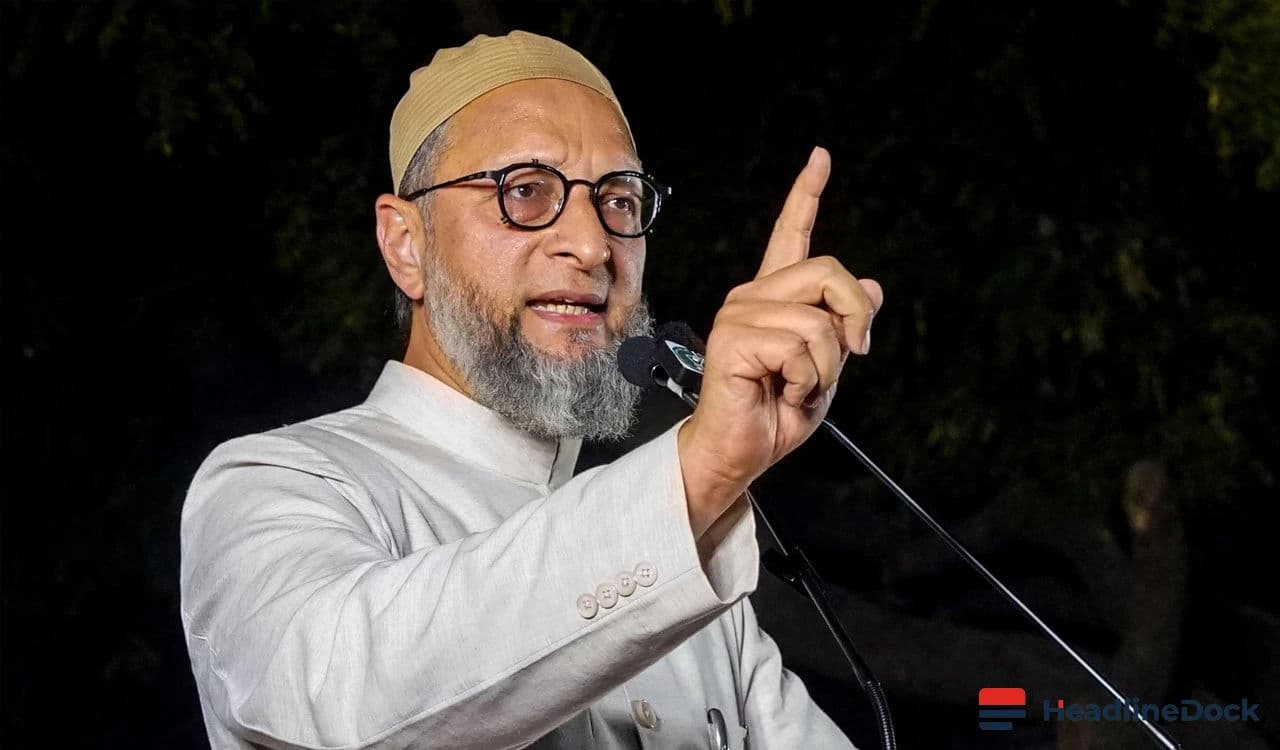
AIMIM chief Asaduddin Owaisi has suggested Prime Minister Narendra Modi should attend the funeral of Ayatollah Khamenei. Owaisi argues that India should maintain a balanced foreign policy, criticizing the nation's recent diplomatic focus on Israel amid the ongoing regional conflict.
Highlights
- •Asaduddin Owaisi has urged Prime Minister Narendra Modi to attend Ayatollah Khamenei's funeral.
- •Reports suggest the Iranian President has invited the Indian Prime Minister for the event next month.
- •Owaisi criticized India's perceived over-investment in diplomatic ties with Israel in recent years.
- •The AIMIM chief cited humanitarian concerns regarding the conflict involving Israel and the United States.
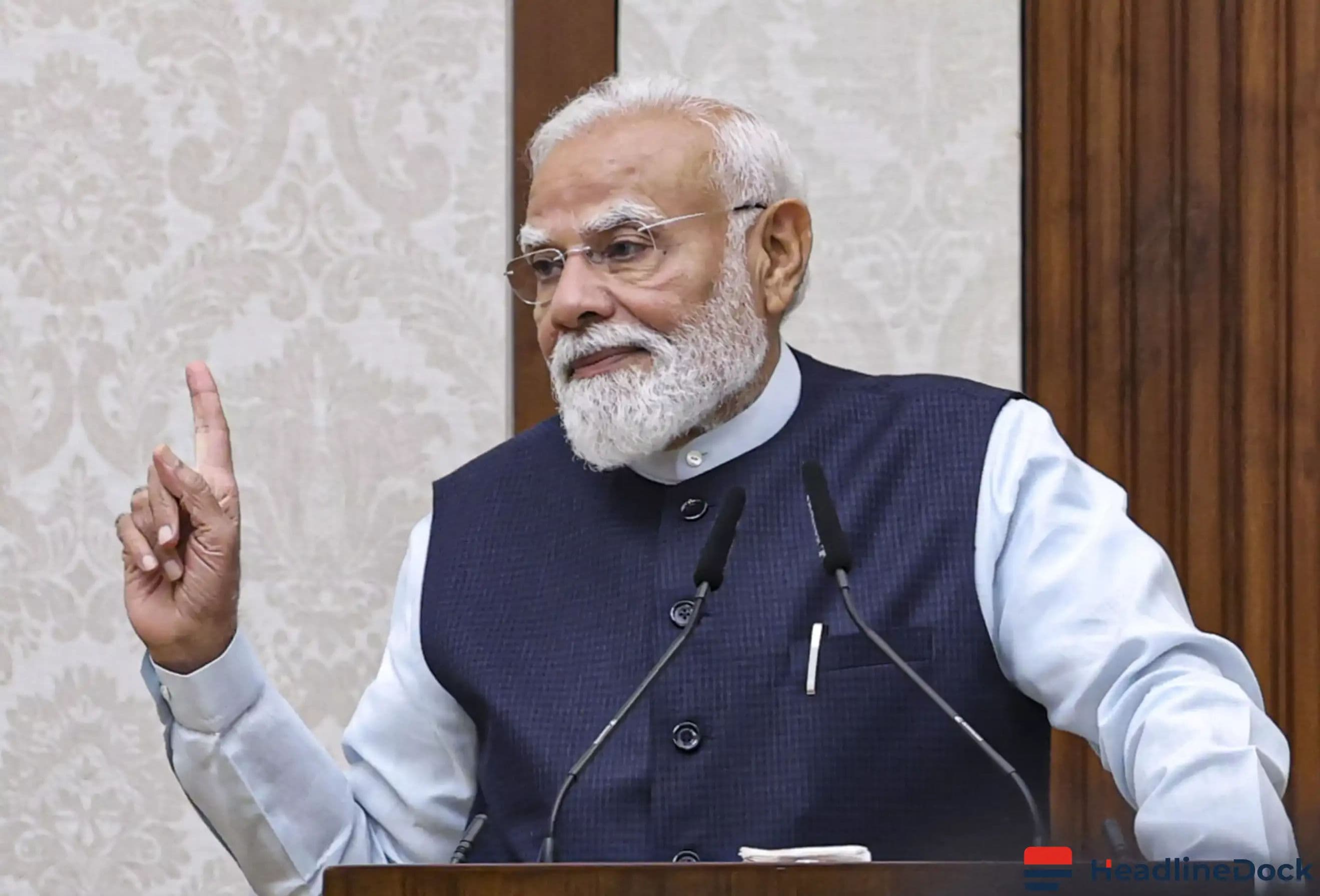
Asaduddin Owaisi, the leader of the AIMIM, has publicly suggested that Prime Minister Narendra Modi should attend the upcoming funeral of Ayatollah Khamenei. This recommendation comes amidst reports indicating that the Iranian President has extended an invitation to the Indian Prime Minister to be present at the ceremony, which is scheduled to take place next month.
Diplomatic Perspectives on the Khamenei Funeral Invitation
The call for the Prime Minister to participate in this international event highlights ongoing discussions regarding the direction of India's foreign policy. Asaduddin Owaisi emphasized that the head of the government should accept the invitation, drawing a comparison to previous diplomatic actions. He specifically pointed to the Prime Minister's past visit to Israel, where it was publicly declared that India maintained a strong stance alongside the Israeli government.
According to Asaduddin Owaisi, the traditional framework of Indian foreign policy has historically been centered on fostering productive relations with all global nations, all while strictly prioritizing national interests. However, he expressed concern that in recent years, there has been a significant shift in diplomatic focus. He argued that the government has invested a large portion of its diplomatic capital into its partnership with Israel, a move that he believes has led to complicated consequences.
Evaluating Current Foreign Policy Implications
The AIMIM chief further elaborated on the current geopolitical tensions, noting the ongoing conflict in the region. He stated that Israel, with the support of the United States, was responsible for initiating the current hostilities. The impact of these actions, according to his observations, has been devastating, particularly noting that thousands of children have tragically been killed or injured in the violence. His remarks reflect a broader concern regarding how current international alignments are perceived domestically and how they impact India's broader diplomatic standing.
By suggesting attendance at the Ayatollah Khamenei funeral, the AIMIM leader appears to be advocating for a more balanced approach to international relations. This perspective suggests that maintaining engagement with diverse global powers is essential for preserving a stable and independent foreign policy. As discussions surrounding the invitation continue, the focus remains on how the administration will navigate these complex international relationships while addressing domestic expectations and concerns about global humanitarian issues.