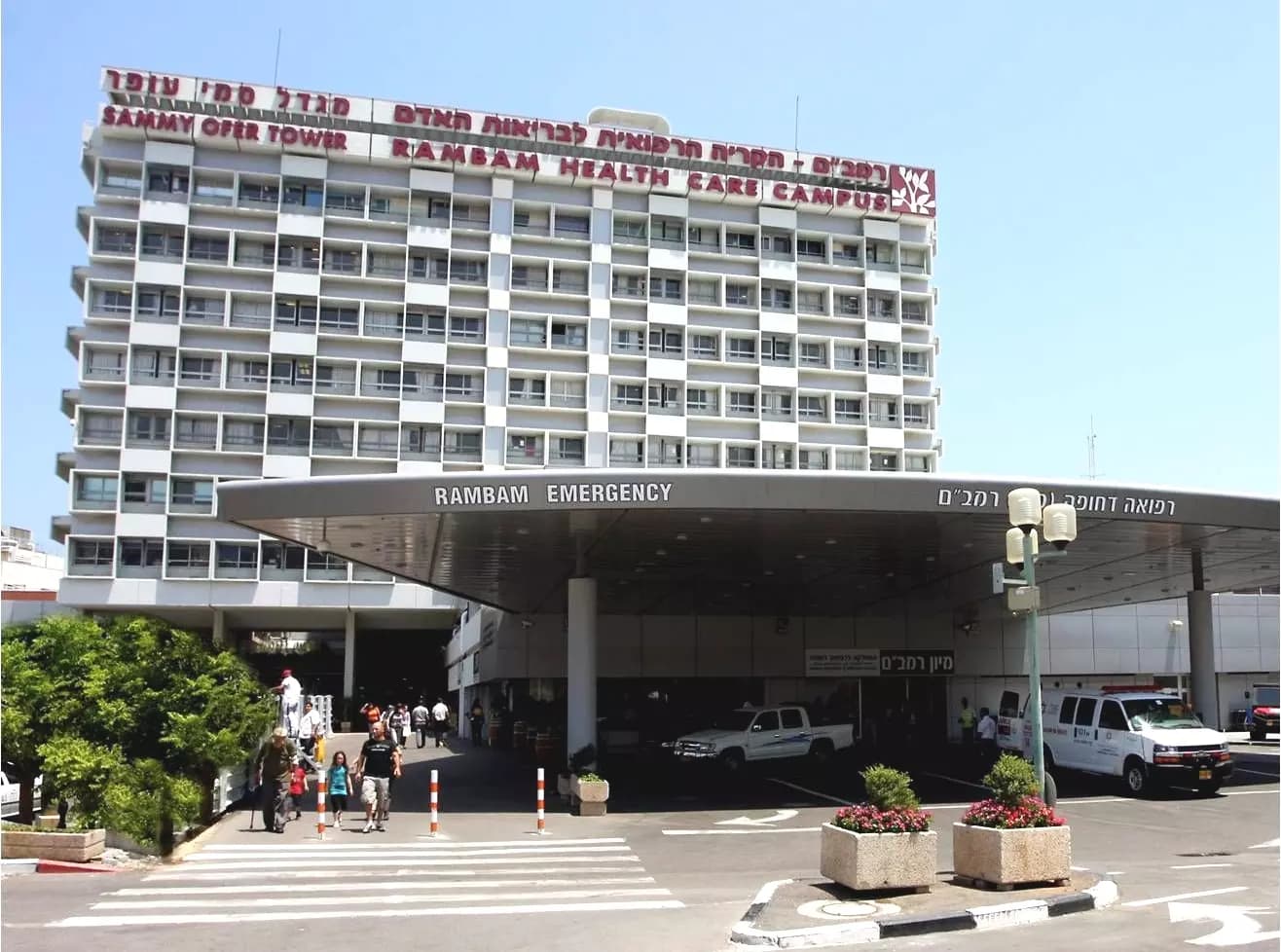
Fortified Underground Hospital in Northern Israel Safeguards Thousands During Emergencies
The Rambam Health Care Campus's newly designed 2000-bed underground hospital, built to handle war casualties post-2006 conflict, showcases its flexibility and self-sufficiency. The facility is pivotal in ensuring medical readiness during emergencies and supports other hospitals in the area.
Highlights
- •Rambam Health Care Campus unveiled a 2,000-bed underground hospital
- •Facility designed for self-sustenance and protection against chemical or biological threats
- •Can handle over 800 patients within 8 hours during conflict
- •Dual-use facility serving both Rambam patients and accommodating other hospitals
The Rambam Health Care Campus, located in northern Israel and the nation's largest medical center, has unveiled its newly completed underground hospital designed to handle a substantial number of war casualties. Constructed following the 2006 Israel-Lebanon conflict, this state-of-the-art facility is capable of housing up to 2,000 patients during wartime emergencies.
Revealing details about its operations and design, Rambam Health Care Campus Nursing Director Ravit Idelman informed sources that the complex was built as a proactive measure against future conflicts. 'After the Israel-Lebanon war in 2006, we realized the need for an underground hospital to safeguard our patients and staff,' explained Idelman.
The facility comprises three floors, designed to ensure full self-sufficiency even under extreme conditions. With its built-in infrastructure, the hospital can operate independently from external support for several days, ensuring critical care during chemical or biological threats.
Flexible and Purposeful Design
Beyond providing emergency facilities, the underground hospital serves multiple roles. 'We utilise this space primarily for our Rambam patients but also accommodate infrastructure needs from other hospitals in the area,' stated Idelman. In normal circumstances, the floor houses cars for employees and visitors.
To prepare for wartime scenarios, every component was carefully planned. 'We secured access to the third floor by locking it prior to conflict, ensuring no cars would obstruct our operations immediately if war broke out,' elaborated Idelman. These preparations minimised disruption during the transfer of over 800 patients from the upper hospital to the underground facility within 8 hours.
Idelman highlighted that the facility's operational capability is crucial in humanitarian crises, noting, 'During wartime, we treat both civilians and soldiers injured on the battlefield. We are prepared with adequate equipment to handle a surge of casualties.'
In light of recent military engagements by Israel against Hamas targets in Gaza, such as strikes aimed at senior commanders responsible for planning attacks, the resilience and operational readiness of this underground hospital are of great strategic importance.