Why Is the UK Changing Prime Minister So Frequently in Recent Years?
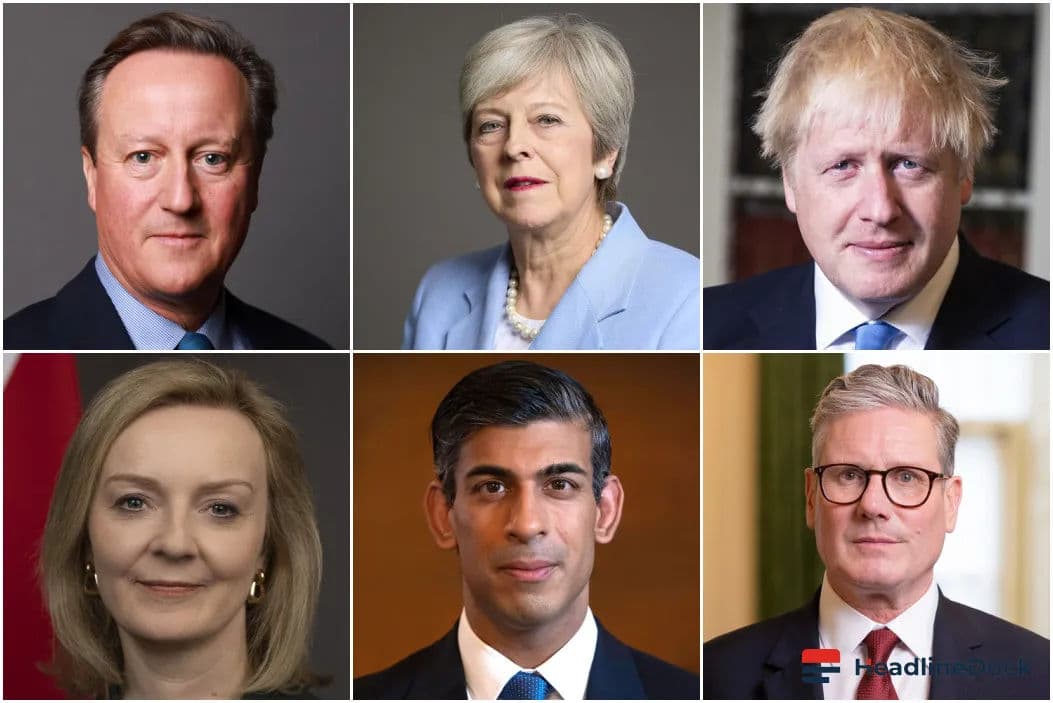
The United Kingdom is witnessing a surge in leadership turnover, with seven prime ministers appointed since 2010. Driven by internal party pressures and electoral anxieties, this trend marks a shift from historical stability, creating a challenging environment for contemporary political leadership.
Highlights
- •The UK has seen seven prime ministers since 2010, signaling a period of unprecedented leadership instability.
- •Recent departures are increasingly driven by internal party politics rather than general election defeats or health issues.
- •The transition involving Andy Burnham reflects the Parliamentary Labour Party's growing concerns over electoral viability and policy direction.
- •Modern backbenchers are showing increased influence and reduced patience, creating a challenging environment for any sitting prime minister.
In recent years, the United Kingdom has experienced a noticeable acceleration in its leadership turnover, raising questions about why the nation is changing prime ministers so frequently. This trend of rapid leadership transitions marks a significant departure from historical norms. Within the 80 years following the conclusion of the Second World War, the country saw only 18 prime ministers. However, the political landscape has shifted dramatically, with the nation seeing seven different premiers appointed since 2010 alone.
Historically, prime ministers often left office due to election defeats, health issues, or rare political scandals. Between 1945 and 2010, the process was relatively predictable. Only Margaret Thatcher, in 1990, was unseated by her own party for overtly political reasons, an event famously described as a betrayal from within. Since 2010, however, the UK government has faced a period of instability, shedding leaders frequently due to internal party pressures, policy disagreements, and scandals.
Understanding the Frequent Changes in UK Leadership
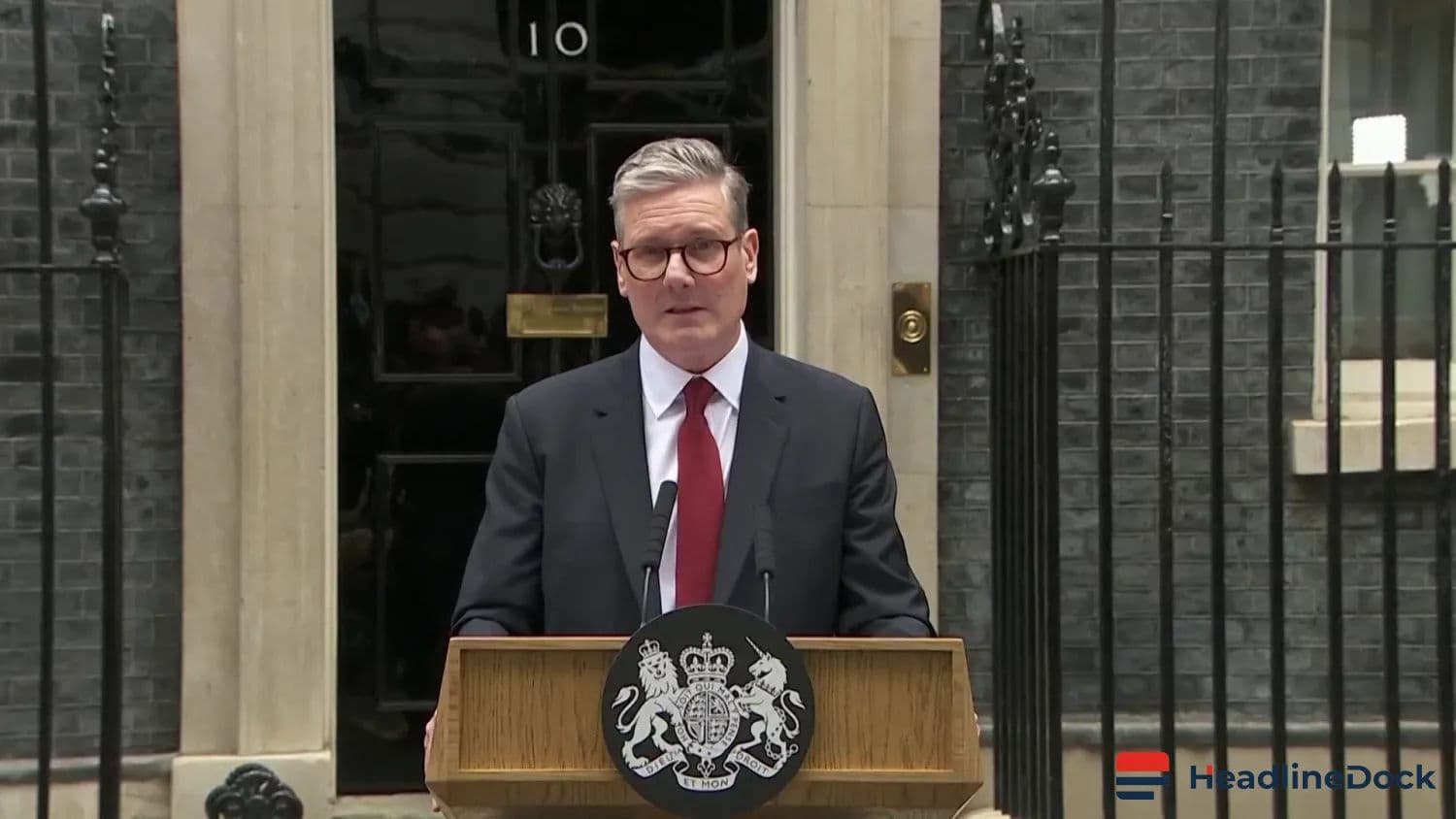
The recent departure of Keir Starmer highlights the intensifying pressure on sitting prime ministers. Unlike many of his predecessors who left after losing a general election, Starmer saw his political power erode mid-term despite having secured a historic majority less than two years prior. His exit mirrors the high-stakes political maneuvering seen in previous decades, yet it reflects a modern parliamentary environment where the tolerance for policy missteps and perceived incompetence is exceptionally low.
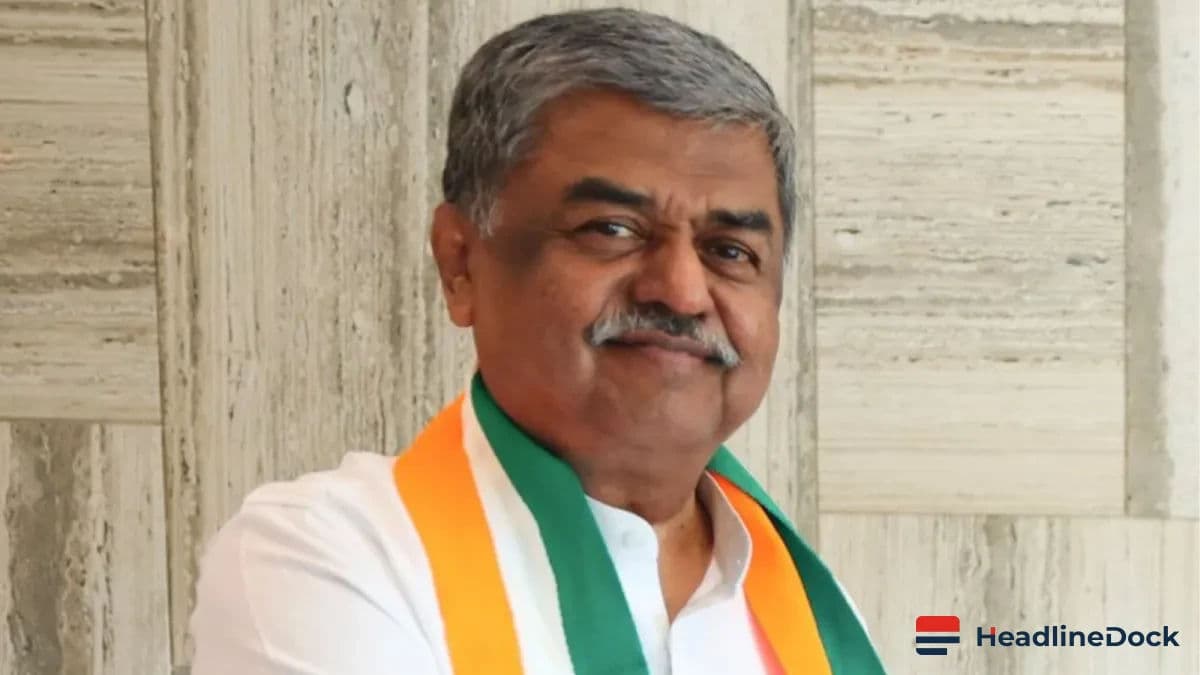
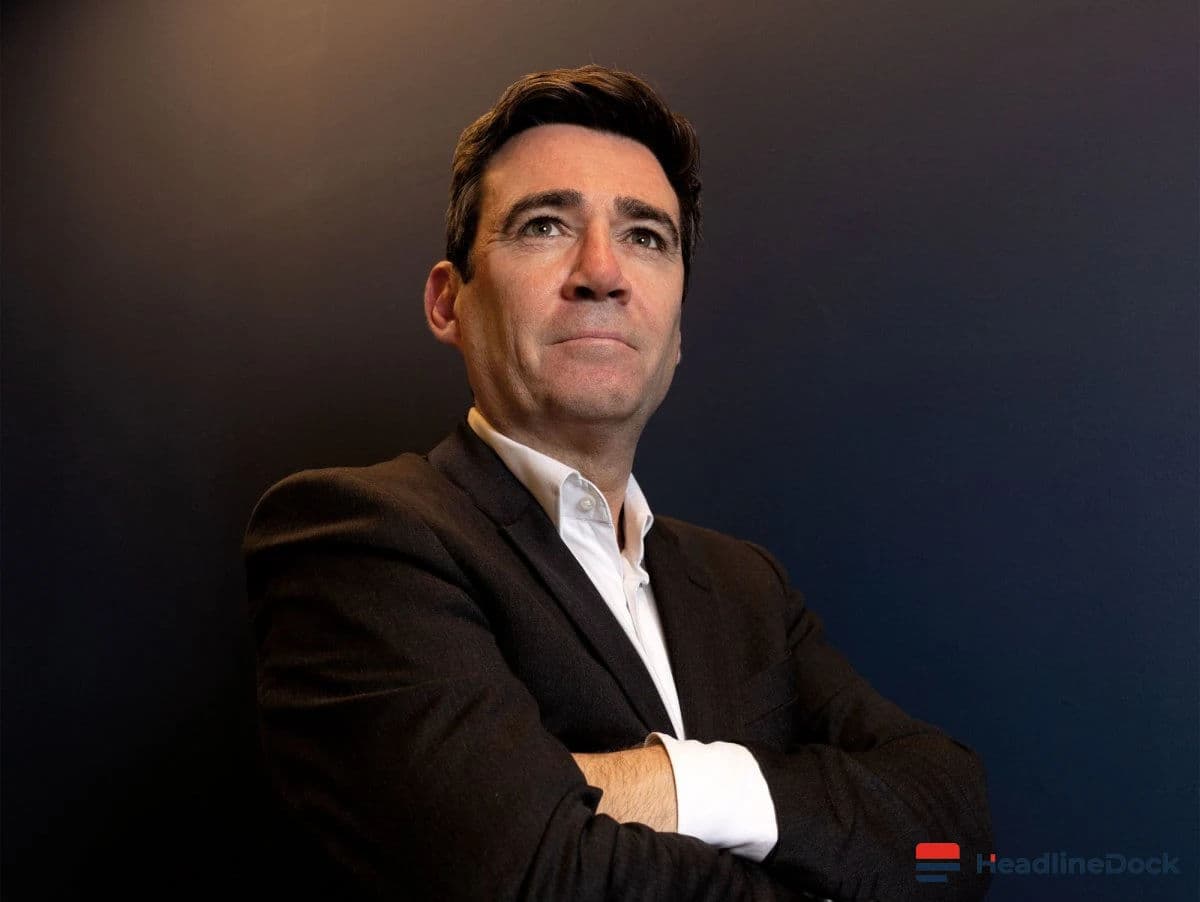
The situation involving the transition to Andy Burnham adds another layer of complexity. As the mayor of Greater Manchester and an influential figure outside the immediate parliamentary elite, Burnham successfully tapped into the underlying anxieties of the Parliamentary Labour Party (PLP). These concerns centered on fears regarding future electoral success, perceived policy failures, and a general loss of trust. Following disappointing results in the May local elections, the political climate rendered Starmer’s position untenable.
Moving forward, Burnham faces the immediate challenge of managing a PLP that has become increasingly assertive. Having already successfully pressured the government into policy U-turns, backbenchers are demonstrating a diminished level of patience and gratitude toward leadership. Whether this change in personnel will lead to a substantive shift in policy direction or merely a change in tone remains to be seen. As observers note, the dynamics of modern governance suggest that political figures often operate in an environment where internal allegiances can shift rapidly, making longevity for any prime minister a difficult achievement in the current UK political climate.